
how to stop cat from peeing on bed starts with one simple idea: your cat is trying to tell you something, and the bed is a high-impact place to leave that message.
This problem feels personal because it hits your clean space, your sleep, and your patience, but it’s usually a mix of medical risk, litter box frustration, stress, or leftover odor cues that keep pulling your cat back.
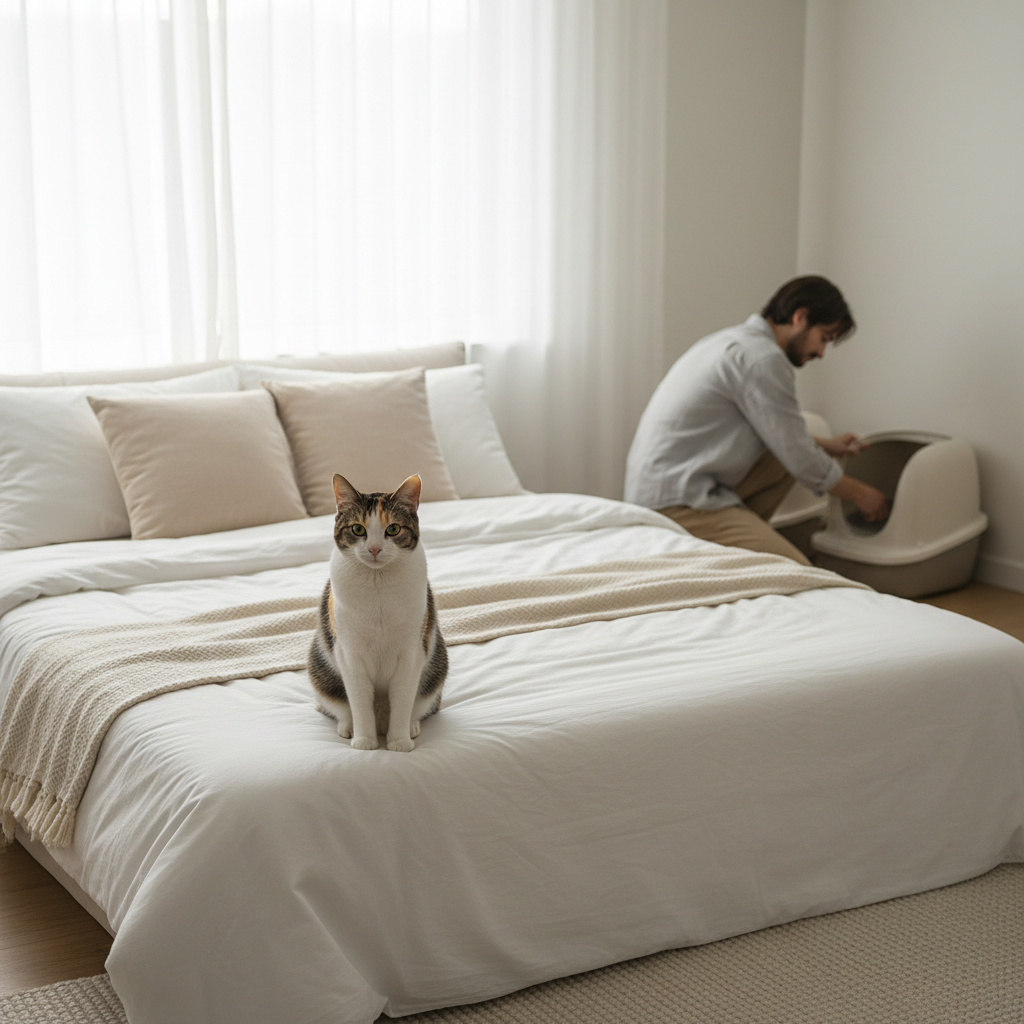
You’ll see advice online that jumps straight to “retrain the cat,” but in real homes the fastest wins come from triage: rule out health issues, remove odor correctly, then make the litter box easier than the bed.
Below is a practical, step-by-step plan with checks you can do today, plus clear lines for when a veterinarian or behavior professional is worth it.
Start with the two most common causes: medical and litter box mismatch
If you’re trying to stop bed-wetting behavior, don’t skip the boring questions. Urinating outside the box can be linked to discomfort, or to a box setup your cat quietly hates.
According to the American Association of Feline Practitioners (AAFP), inappropriate urination can be associated with medical issues and stress, and it’s often addressed best when health and environment are evaluated together.
Medical issues to take seriously
A cat that suddenly pees on the bed, especially an older cat, might be dealing with pain, urgency, or increased thirst. Common examples include urinary tract disease, bladder inflammation, kidney disease, diabetes, arthritis that makes climbing into a high-sided box hard, or cognitive changes in senior cats.
- Red flags: blood in urine, straining, frequent tiny pees, crying in the box, lethargy, vomiting, not eating, hiding more than usual.
- Male cats: urinary blockage can be life-threatening and needs urgent veterinary care if your cat strains with little or no urine.
Litter box mismatch (the “it’s technically clean” problem)
Many cats reject a box that looks fine to humans. Things that commonly trigger bed peeing: scented litter, a covered box that traps smell, a box that feels wobbly, a busy hallway location, or a box that’s “clean-ish” but still offensive to a cat’s nose.
- Box too small for the cat to turn comfortably
- Too few boxes for a multi-cat home
- Harsh litter texture, heavy perfume, dusty litter
- Box next to loud appliances, near ambush points, or in a dead-end
Quick self-check: what your cat’s pattern is telling you
Before you change ten things at once, take two minutes to notice the pattern. It often points to the right fix.
- Only on the bed (and nowhere else): comfort + your scent + residual urine odor are big suspects, stress can also play a role.
- Bed and laundry piles: soft-texture preference or lingering detergent/urine cues, sometimes anxiety.
- Near doors/windows: territorial stress, outdoor cats, neighborhood animals.
- Near the litter box: aversion to the box, pain while posturing, or the box feels unsafe.
- Sudden change after years of good habits: medical issue, household change, or a new cat/person/dog.
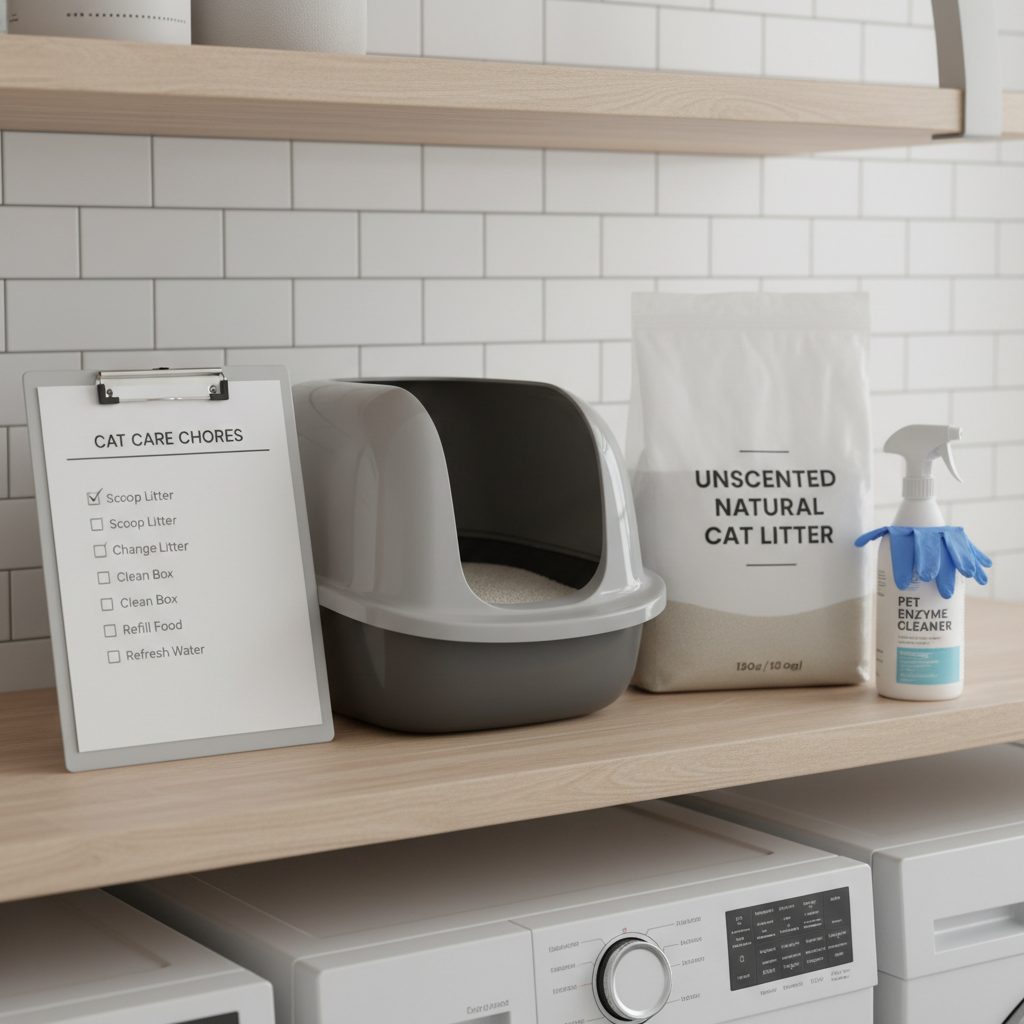
If you can, jot down when it happens, what was different that day, and whether your cat used the box normally at other times. That tiny log is surprisingly useful if you end up calling your vet.
Fix the bed problem immediately: block access and remove odor the right way
To stop repeats, you need a short-term barrier plus deep cleaning. Cats often return to the same spot because it smells like a “valid bathroom” to them, even if you can’t detect it.
Short-term management (so you can sleep)
- Keep the bedroom door closed or use a temporary gate if your setup allows.
- Remove comforters, duvet inserts, and mattress toppers that hold odor easily.
- Use a waterproof mattress protector, ideally two so you can swap quickly.
- If access is unavoidable, cover the bed with a shower curtain or washable tarp during the day.
Cleaning that actually breaks the urine cue
Use an enzymatic cleaner designed for pet urine. Regular soap, vinegar, or steam cleaning can reduce smell for humans but still leave enough signal for your cat to return, and heat can set proteins deeper.
- Blot, don’t rub. Press with towels to lift liquid.
- Saturate to the depth of the urine spot (especially on mattresses).
- Follow the product’s dwell time, then let it fully air-dry.
- Avoid ammonia-based cleaners, the smell can resemble urine.
If the mattress has repeated soaks, you may need multiple enzyme treatments, or in some cases replacement is the most realistic route for long-term success.
Make the litter box easier than the bed (this is usually the turning point)
Most households see improvement when the box becomes the path of least resistance. Think comfort, privacy, and consistency.
A solid “reset” setup
- Number of boxes: many behavior pros follow the “cats + 1” guideline for multi-cat homes, placed in different areas.
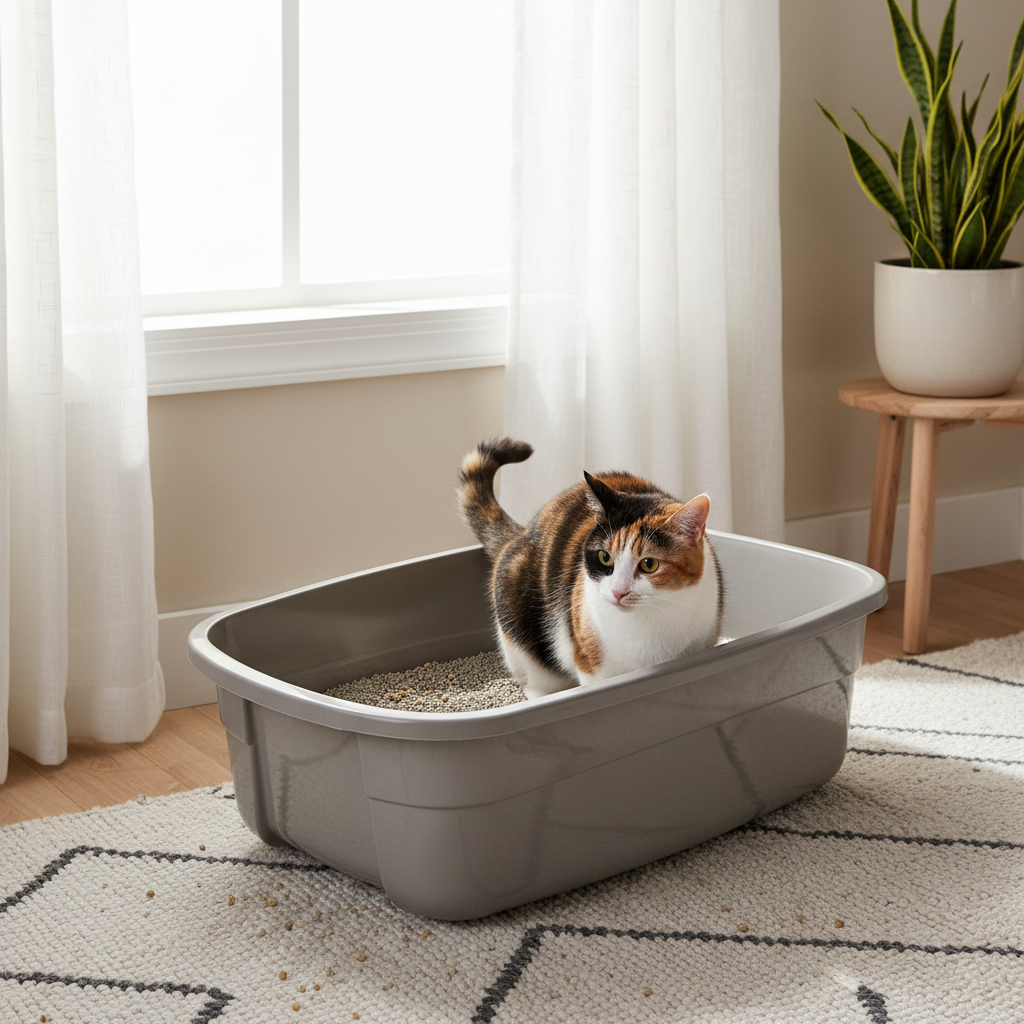
- Size: aim for a box about 1.5x your cat’s body length so turning feels easy.
- Litter: unscented clumping litter is often the safest starting point when you’re troubleshooting.
- Location: quiet, accessible, not trapped in a closet with the door sometimes shut.
- Cleaning rhythm: scoop daily, full wash on a schedule that fits your home, but don’t “over-perfume” it after.
Use this table to match the fix to the likely cause
| What you’re seeing | Likely driver | What to try first |
|---|---|---|
| Pee on bed after moving, visitors, remodeling | Stress + scent seeking | Add a second box, keep routine steady, block bed access short-term |
| Pees on soft items (bed, bath mat, laundry) | Texture preference or box aversion | Try a larger open box, unscented litter, daily scooping |
| Frequent small pees, urgency | Possible urinary discomfort | Schedule vet visit, keep multiple easy-access boxes |
| Pee near windows/doors | Territorial triggers | Block view, add enrichment, place a box closer to the hot spot |
| Pee right outside the box | Box pain, dirty box, scary location | Lower entry box, move location, rule out arthritis/UT issues |
Reduce stress and “territory drama” without overcomplicating it
Even a friendly cat can get thrown off by small changes: new scents, outdoor cats, a partner moving in, a baby gate that blocks a preferred route. The bed often becomes a comfort zone plus a communication board.
According to the ASPCA, stress and anxiety can contribute to house-soiling, and addressing environmental factors is often part of the solution.
Low-effort stress reducers that often help
- Predictable routine: meals, play, and quiet time happen roughly on schedule.
- Daily play: short sessions that end with a treat can lower general tension.
- More vertical space: cat trees or shelves reduce conflict in multi-pet homes.
- Visual blockers: if outdoor cats show up, close blinds at peak times or use frosted film.
- Separate resources: food, water, and litter in multiple locations can cut “guarding.”
If your cat’s accidents started after tension between cats, it may help to slow introductions back down, even if they “used to be fine.” Many households miss that a small conflict can simmer for weeks.
Training moves that work (and the ones that backfire)
When people ask how to stop cat from peeing on bed, they often want a single deterrent spray. Deterrents can support your plan, but they rarely solve the core driver on their own.
What tends to work
- Reward box use: quietly offer a treat right after your cat exits the litter box, especially during the “retraining” week.
- Add a temporary box near the bedroom: it feels weird, but it can break the bed habit fast, then you gradually relocate it.
- Make the bed less attractive: remove soft layers, keep it covered, block access during high-risk times.
- Use cat-safe calming aids cautiously: some households find pheromone diffusers helpful, but responses vary, and placement matters.
What usually backfires
- Punishment: yelling or rubbing a cat’s nose in it often increases stress and secrecy, not litter box reliability.
- Chasing away from the bed: it teaches fear of you or the room, not where to pee instead.
- Constantly switching litters: if you’re troubleshooting, change one variable at a time.
Key point: your goal is not “stop peeing,” it’s “make the litter box the obvious choice,” then keep it that way long enough for the habit loop to fade.
When to call a vet or a behavior pro (and what to bring)
If accidents are new, frequent, or paired with any urinary signs, a veterinary check is a smart next step. This isn’t alarmist, it’s practical, because some urinary problems look like behavior until they suddenly don’t.
- Book a vet visit if the issue is new within the past few weeks, your cat seems uncomfortable, or you see blood/straining.
- Ask about urine testing, pain, diet, hydration strategies, and whether anxiety could be contributing.
- If medical causes are ruled out and the problem persists, consider a certified cat behavior consultant for a home plan, especially in multi-cat conflict.
Bring notes: dates, where it happened, cleaning products used, litter type, box locations, and any household changes. That detail speeds up useful advice.
Practical conclusion: a simple 7-day plan most homes can follow
If you want a clean starting line, here’s a realistic one-week sequence that often helps you stop bed peeing without turning your house into a science project.
- Day 1: Block bedroom access when possible, add mattress protection, start enzyme cleaning.
- Day 2: Add or upgrade a litter box, go bigger and uncovered, switch to unscented litter if needed.
- Day 3: Place a temporary box closer to the bedroom if accidents continue, reward box use.
- Day 4–5: Reduce stress triggers, increase play, adjust box locations for privacy and easy access.
- Day 6–7: If you still see urgency, straining, or repeat accidents, schedule a vet visit and bring your notes.
Most cats aren’t “being spiteful,” they’re being direct in the only way they can. Start with health and odor control, then make the litter setup genuinely easy, and you usually get traction faster than you’d expect.
If you’re dealing with repeat accidents and want a more guided, less trial-and-error approach, consider bringing your pattern notes to your veterinarian or a qualified feline behavior professional so you can narrow causes and pick changes that match your home.