
Dog care advice for barking usually works best when you treat barking as communication, not “bad behavior.” The goal is to figure out what your dog is trying to get, or what they are trying to avoid, then change the setup so barking stops paying off.
If you have neighbors complaining, a baby napping, or a Zoom call every afternoon, you also need solutions that are simple enough to repeat. Barking problems rarely disappear from one “magic trick,” they fade when your routine becomes predictable for your dog.
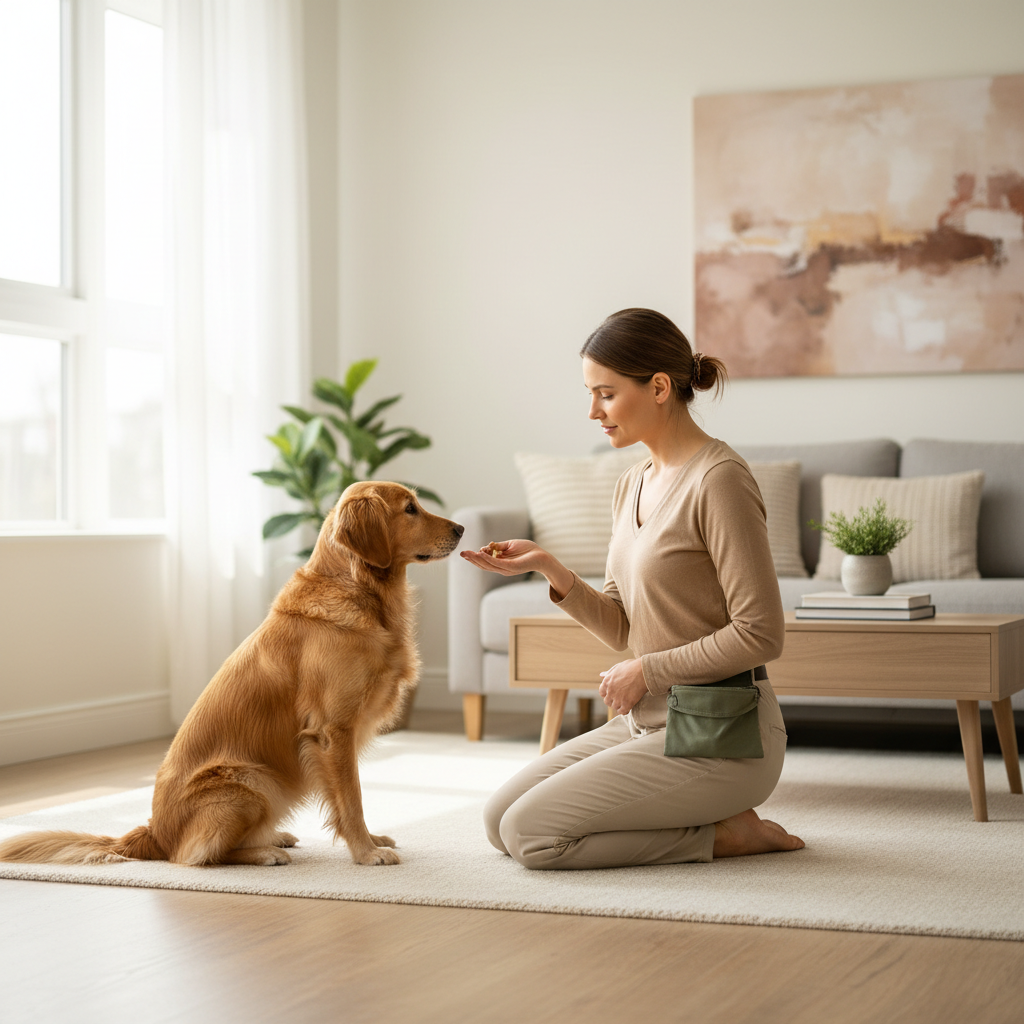
Below are 7 solutions that cover the most common causes, plus a quick self-check, a simple daily hygiene and care routine, and a “when to call a pro” section. If you own a puppy, an older dog, or a breed known for vocalizing, you’ll still use the same framework, you’ll just adjust intensity and expectations.
Why dogs bark in the first place (so you stop guessing)
Most barking fits into a few buckets. Once you name the bucket, your next step becomes obvious, and you stop wasting time on random tactics.
- Alert barking: “Something changed,” people at the door, delivery trucks, hallway sounds.
- Demand barking: “I want something,” food, attention, play, to go outside.
- Fear or anxiety: thunderstorms, strangers, being left alone, unfamiliar dogs.
- Boredom and under-exercise: the dog makes their own entertainment.
- Frustration: leash reactivity, barrier frustration at windows or fences.
- Medical discomfort: pain, itchy skin, cognitive changes in seniors.
According to the American Veterinary Medical Association (AVMA), behavior concerns can be influenced by health and well-being, so persistent changes are worth discussing with your veterinarian, especially when barking starts “out of nowhere.”
Quick self-check: what type of barking are you dealing with?
Use this as a fast sorting tool before you try to “train harder.” A lot of owners do the opposite, and then feel stuck.
- Timing: does it happen mainly when you leave, at night, or only at the door?
- Trigger: window activity, doorbell, food prep, other dogs, being crated?
- Body language: loose and bouncy, or stiff with pinned ears and whale eye?
- Pattern: short bursts, or long sessions that escalate?
- What makes it stop: you coming closer, giving food, opening the door?
If barking consistently “works” for your dog, the behavior strengthens. That’s not your dog being stubborn, it’s learning.
7 simple, humane solutions to stop dog barking (pick the ones that match the cause)
1) Manage the environment first (fast relief)
If your dog practices barking daily at the same trigger, training takes longer. Management buys you quiet while you teach a new habit.
- Block window access with frosted film or a baby gate.
- Use a white-noise machine near the front door for hallway sounds.
- Move the dog’s resting spot away from the main trigger zone.
This is the boring step, but it’s often the difference between progress and constant relapse.
2) Teach a “quiet” cue the right way (not by yelling)
Yelling often sounds like joining in. Instead, set up a moment of silence you can pay.
- Wait for a brief pause in barking, even half a second.
- Say “Quiet” once, then immediately reward the silence with a treat.
- Gradually ask for 1 second, then 2 seconds, then 5 seconds of quiet.
Keep sessions short, 1–3 minutes. You’re building a reflex, not winning an argument.
3) Replace doorbell chaos with a “go to mat” routine
Alert barking at the door is common, and it’s one of the easiest to systematize.
- Pick a mat or bed, reward your dog for stepping on it.
- Add the cue “Mat” or “Place,” reward for staying there.
- Practice with low-intensity knocks, then work up to the real doorbell.
Many households find this more reliable than trying to stop the first bark.
4) Reduce boredom with a realistic enrichment plan
If barking is your dog’s hobby, you need new hobbies. This is where dog exercise recommendations matter, but it’s not only about long walks.
- Food puzzles, snuffle mats, frozen KONG-style toys.
- Two 5-minute training sessions daily (sit, down, touch, leash skills).
- “Find it” scatter games for sniffing, especially on rainy days.
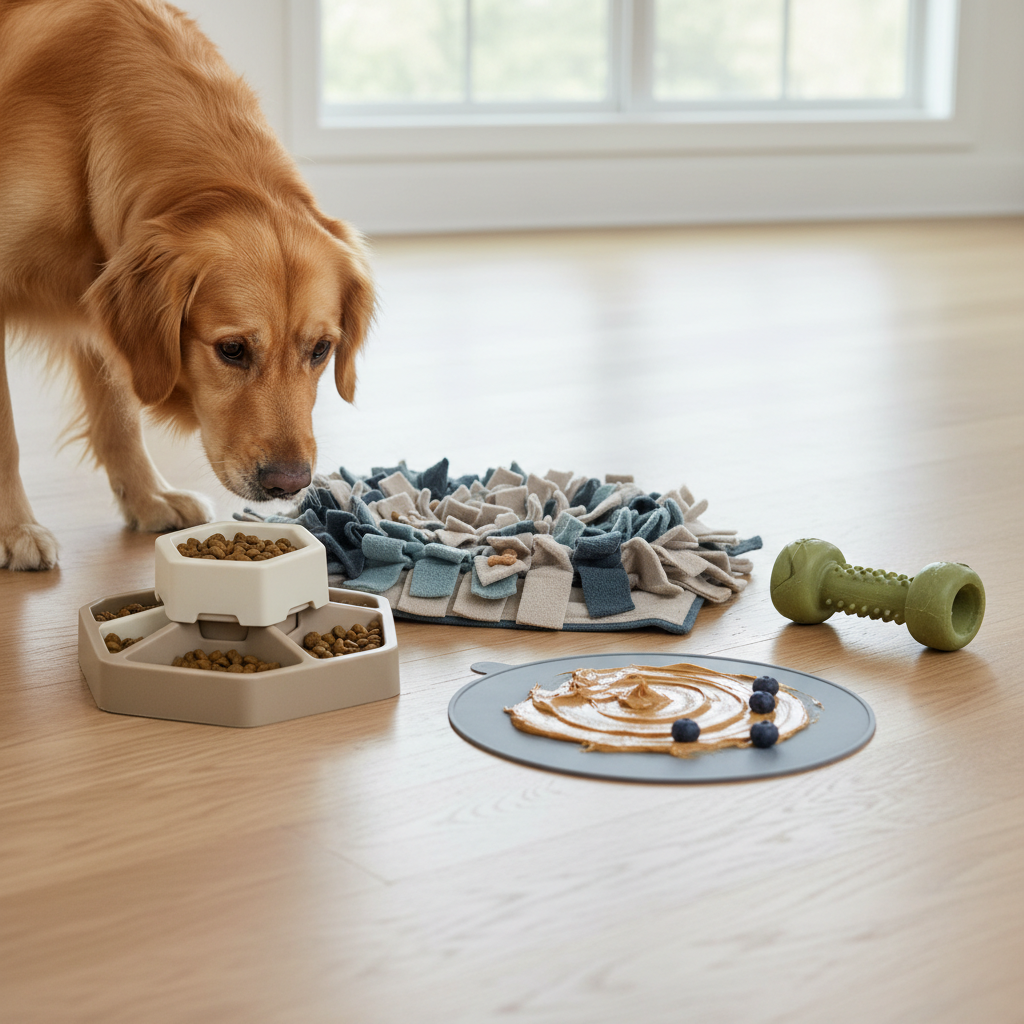
For puppies, weave these into your puppy care tips routine, short bursts, lots of rest. For seniors, keep it gentle but consistent, this fits a practical senior dog care guide approach.
5) Stop demand barking by changing what gets rewarded
If barking makes you look, talk, or hand over food, it’s getting reinforced. The fix is simple but emotionally annoying.
- Decide what you will reward instead: sitting, eye contact, calm.
- When barking starts, pause interaction, turn slightly away.
- The moment the dog offers calm behavior, reward it quickly.
You may see an “extinction burst,” barking briefly gets worse because the old strategy stops working. Stay consistent and keep rewards ready.
6) For separation barking: train alone-time like a skill
Separation-related barking often needs a slower plan. If your dog panics, “cry it out” can backfire.
- Start with micro-absences: step out for 5–10 seconds, return before panic.
- Build duration gradually, mix easy and slightly harder reps.
- Add a predictable pre-departure routine (chew item, calm cue, then leave).
According to the American Society for the Prevention of Cruelty to Animals (ASPCA), separation anxiety may show up with vocalizing and distress behaviors, and many cases improve with behavior modification and guidance from professionals.
7) Rule out health issues and discomfort (especially in older dogs)
When barking appears suddenly, changes in sleep, appetite, mobility, or bathroom habits can be relevant. This is where dog health warning signs matter more than any training cue.
- New night barking in an older dog can be linked to pain or cognitive changes.
- Itchy skin or ear discomfort can make dogs restless and vocal.
- GI discomfort sometimes shows up as pacing and whining.
If you suspect pain or anxiety, consider a vet visit before you label it “behavior.” A veterinarian or a board-certified veterinary behaviorist can help map options safely.
A simple daily care routine that quietly reduces barking triggers
This part isn’t glamorous, but good care reduces the background stress that makes dogs more reactive. Think of it as prevention disguised as routine.
| Routine item | What to do | Why it helps barking |
|---|---|---|
| Exercise | 1–2 sessions tailored to age and breed | Less excess energy, better sleep |
| Mental work | Food puzzle or sniff game daily | Reduces boredom vocalizing |
| Nutrition | Follow dog nutrition guidelines from your vet | Stable energy, fewer discomfort triggers |
| Grooming | Brush, check ears, paws weekly | Catches itch/pain early |
| Dental | 2–4x/week brushing if possible | Less oral discomfort, better well-being |
At-home grooming and hygiene: small things that prevent “mystery barking”
Owners sometimes chase barking solutions while the dog feels uncomfortable. If you want dog grooming tips at home that are realistic, keep it short and consistent.
- How to bathe a dog properly: lukewarm water, dog-safe shampoo, rinse longer than you think, towel-dry well to avoid skin irritation.
- Dog dental care tips: use dog toothpaste only, start with a finger brush, reward after, stop if gums bleed heavily and ask a vet.
- Ear and paw checks: redness, odor, excessive licking, or sensitivity can signal discomfort.
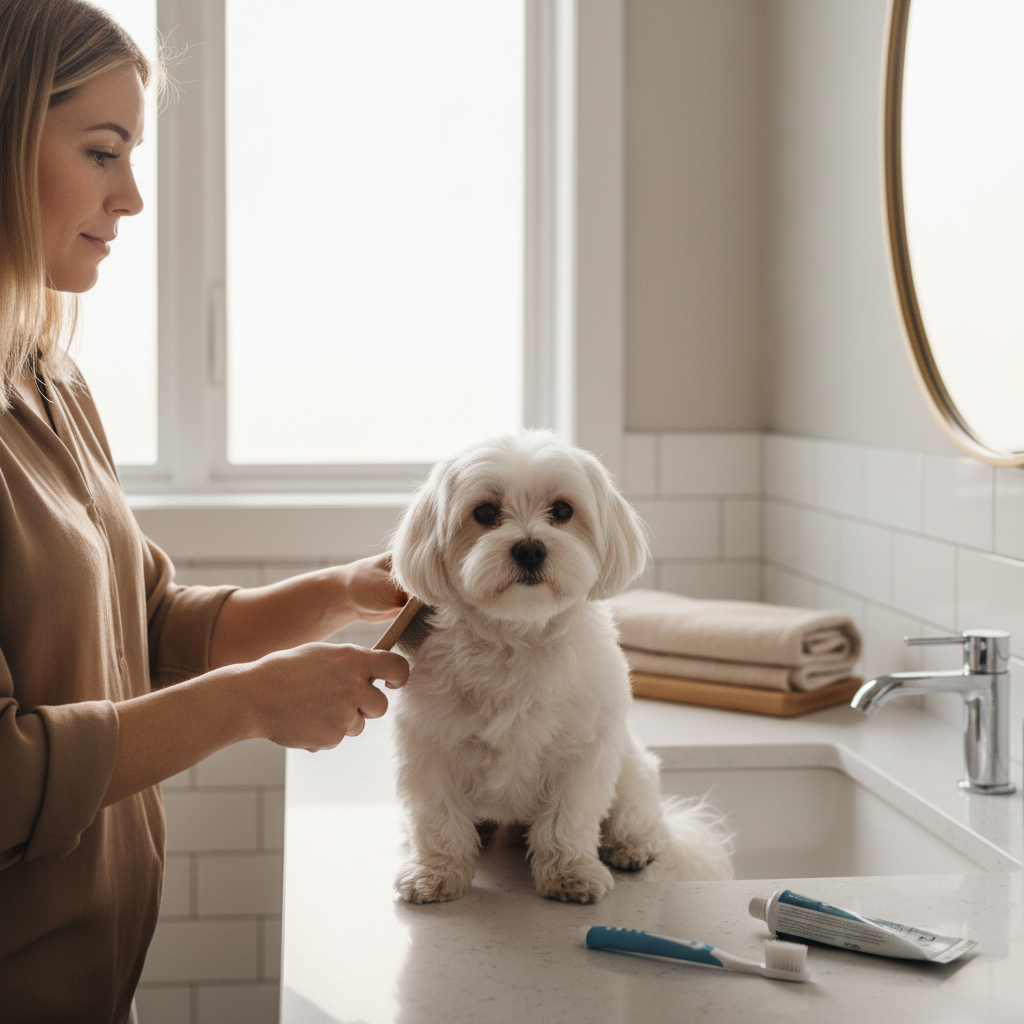
If your dog fights grooming, go slower. Pair the tools with treats, aim for 20 seconds of cooperation, then stop while it still feels easy.
Common mistakes that keep barking going
- Accidentally rewarding noise: saying “it’s okay” in a sweet voice can function like attention.
- Asking for too much too soon: long “quiet” durations before the dog understands the game.
- Only exercising the body: many dogs need sniffing and training, not just miles.
- Using punishment tools without a plan: these can increase fear or aggression in some dogs, and the barking often returns.
- Ignoring household consistency: if one person rewards barking and another punishes it, the dog gets confusing feedback.
Solid dog training basics for owners often look boring: clear cues, predictable consequences, and lots of reinforcement for the behavior you want.
When it’s time to get professional help
Some barking problems are totally DIY, others aren’t. Consider extra support if any of these show up:
- Barking comes with lunging, snapping, or you feel unsafe handling the dog.
- Possible separation anxiety: drooling, destruction, self-injury risk, nonstop distress.
- Sudden behavior change, or barking paired with new health symptoms.
- You’ve tried consistent training for a few weeks with no change, or things worsen.
A certified dog trainer can help with skills and setup, while a veterinarian can rule out medical causes. For complex anxiety, a board-certified veterinary behaviorist may be appropriate.
Key takeaways (so you can act today)
- Match the solution to the barking type, management plus training beats random hacks.
- Reinforce quiet and calm alternatives, don’t try to out-yell your dog.
- Build a routine that includes exercise, enrichment, grooming, and health checks.
- Escalate early when you see fear, panic, or sudden changes.
Conclusion
Barking rarely stops because you found a perfect command, it stops because you made barking less necessary and quiet more rewarding. Pick two solutions from the list that fit your dog’s triggers, run them daily for two weeks, and track what improves.
If you want one action today, choose a management fix (like blocking the window) and pair it with a simple training habit (like “go to mat”). That combo usually creates the first real quiet moment you can build on.