
Cat eye discharge remedy is one of those things people search at 11 p.m. because their cat suddenly has “gunk” in the corner of an eye and they’re not sure what’s normal. In many cases, gentle cleaning and a few simple comfort steps help, but some types of discharge can signal infection, injury, or an upper respiratory issue that needs a vet.
This guide keeps it practical: what discharge usually means, what you can do at home without making things worse, and the red flags that should move you from “home care” to “call the clinic.” I’ll also share a quick decision checklist and a simple routine you can repeat.
One common misconception: “Any eye discharge means my cat has an eye infection.” Not always. Mild tearing after a nap can be normal. Thick yellow-green mucus, squinting, or a suddenly red eye is a different conversation.
What cat eye discharge can mean (and what’s often normal)
Eye discharge is a symptom, not a diagnosis. The goal is to look at color, thickness, frequency, and how your cat acts.
- Clear, watery tears: often irritation, dust, mild allergies, wind, or early respiratory illness.
- Brown or rust-colored staining: common with chronic tearing, especially in light-colored cats; sometimes linked to blocked tear ducts or eyelid shape.
- White/gray mucus: can show mild conjunctivitis, dry eye, or viral flare-ups.
- Yellow/green thick discharge: more consistent with bacterial infection or secondary infection after a virus, vet input often needed.
- Bloody discharge or sudden one-eye watering: can happen with scratches, foreign bodies, or trauma, treat as urgent.
Behavior matters. A cat who eats, plays, and keeps eyes open usually has a less urgent situation than a cat who hides, won’t eat, or keeps one eye shut.
Quick self-check: is this a “home care” situation or a vet visit?
Use this as a fast sorting tool. If you’re on the fence, many clinics will tell you whether to come in based on a phone description and a photo.
Likely okay to try gentle home care for 24–48 hours
- Small amount of crust after sleep, clears with wiping
- Discharge is clear or light brown, not thick
- No squinting, no obvious eye pain
- Cat acts mostly normal: eating, grooming, social
Call a vet soon (same day or next day)
- Discharge turns yellow/green or becomes sticky and frequent
- Redness, swollen eyelids, or recurrent episodes
- Sneezing, congestion, feverish behavior, low appetite
- Multiple cats in home begin showing symptoms
Urgent: seek veterinary care now
- Eye held shut, intense squinting, pawing at the eye
- Cloudy/blue-looking cornea, visible scratch, or bleeding
- Sudden bulging eye, unequal pupils, or significant trauma
- Possible chemical exposure (cleaners, essential oils, flea products in eye)
According to the American Veterinary Medical Association (AVMA), pets with eye injury signs should be evaluated promptly because delays can worsen outcomes in painful eye conditions.
Gentle home routine: how to clean cat eye discharge safely
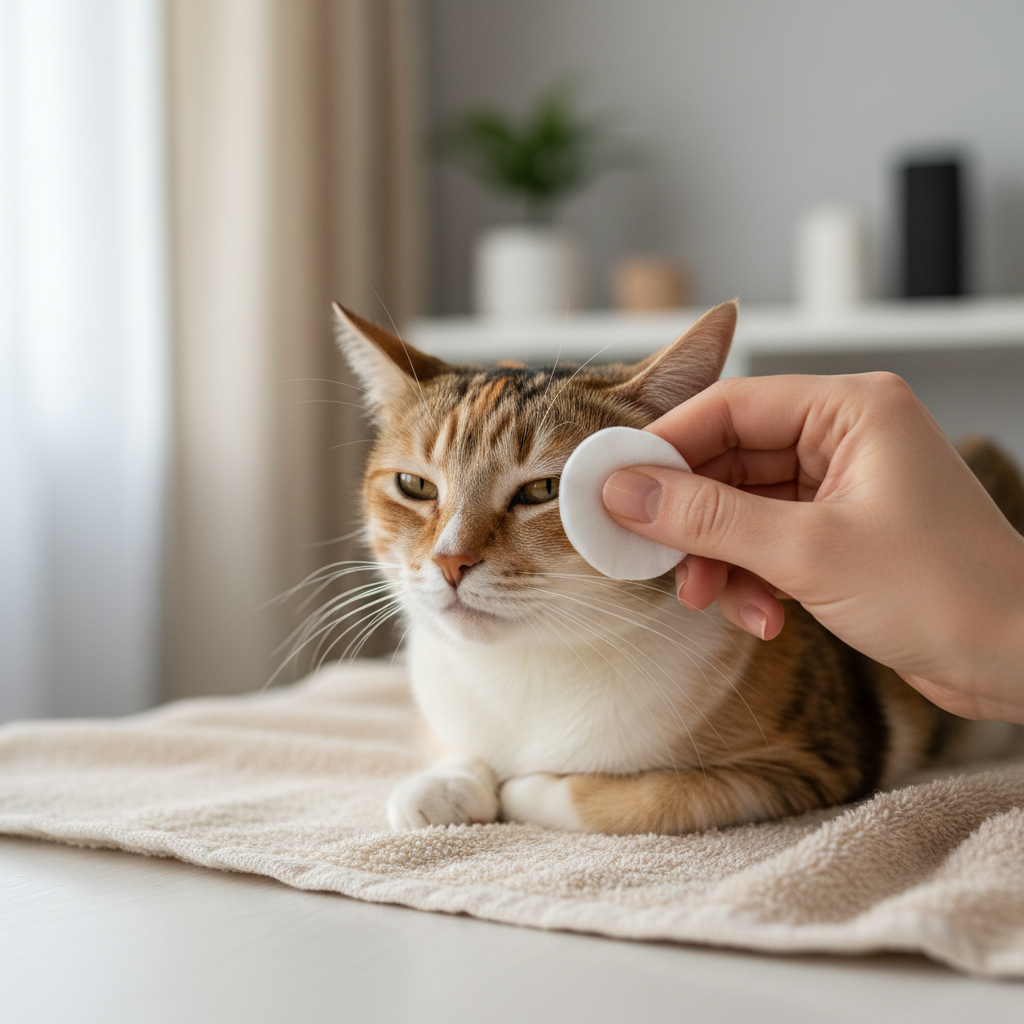
For a practical cat eye discharge remedy, the safest “home fix” is usually careful cleaning plus reducing irritation. Skip harsh products. If your cat fights you hard, stop and try again later, forced restraint often escalates stress and scratching.
What you’ll need
- Warm water or sterile saline (plain contact lens saline, not medicated)
- Soft cotton pads or gauze squares (avoid fuzzy cotton balls if they shed)
- A towel (optional “cat burrito” wrap)
Step-by-step (2–3 minutes)
- Wash your hands, then moisten a pad with warm water or saline.
- Hold the pad on the crust for 10–20 seconds to soften, don’t scrub dry crust off.
- Wipe from the inner corner outward in one smooth motion.
- Use a fresh pad for each wipe, and use a separate pad per eye.
- Repeat 1–3 times daily as needed, then stop once it stays clean.
If the discharge returns quickly or your cat seems uncomfortable, that’s your signal this may be more than simple debris.

Key point: cleaning helps comfort and visibility, but it doesn’t treat infections or ulcers. Think of it as first aid and monitoring, not a cure-all.
Home comfort steps that sometimes help (without risky DIY)
When people ask for a “gentle” remedy, they often mean “what can I do tonight.” These steps are generally low-risk, but if symptoms look serious, use them while you arrange veterinary care.
- Reduce irritants: avoid scented litter, smoke, aerosol sprays, heavy fragrances, dusty rooms.
- Improve humidity: a simple humidifier can make breathing and watery eyes easier during mild respiratory illness.
- Keep the face clean: dried discharge can irritate skin and attract more rubbing.
- Separate sick cats: many upper respiratory infections spread easily in multi-cat homes.
- Encourage eating: warm, smelly foods may help if congestion reduces appetite, but don’t force-feed.
According to the Cornell University College of Veterinary Medicine, feline upper respiratory infections can cause eye and nose discharge, and supportive care may help comfort while the condition runs its course, though some cats need medication based on severity.
Common causes and the “tell” signs you can actually notice at home
This is where a little pattern recognition helps. You’re not trying to diagnose, just to notice which bucket the symptoms fit.
| What you see | Often suggests | What to do next |
|---|---|---|
| Clear tearing, mild gunk after naps | Minor irritation, mild allergies, dust | Clean gently, reduce irritants, monitor 24–48 hrs |
| Both eyes watery + sneezing | Viral URI (common in cats), early infection | Supportive care, call vet if appetite drops or symptoms persist |
| Thick yellow/green discharge | Bacterial infection or secondary infection | Vet visit for exam and possible prescription meds |
| One eye suddenly squinty, very watery | Scratch, foreign body, corneal ulcer risk | Urgent vet evaluation, avoid home meds |
| Chronic tear staining | Anatomy/tear duct issues, chronic irritation | Discuss with vet; routine cleaning and long-term plan |
Many people get stuck on color alone. Realistically, squinting and pain are bigger red flags than a bit of crust.
What to avoid: “remedies” that can backfire fast
If you try only one piece of advice from this article, let it be this list. Eyes are delicate, and cats can go from mild irritation to a serious corneal problem surprisingly quickly.
- Do not use human eye drops unless a vet specifically instructs you. Some products can worsen certain conditions.
- Avoid antibiotics left over from another pet or a past visit, wrong medication can delay proper treatment.
- No hydrogen peroxide, alcohol, or essential oils near the eye area.
- Skip herbal teas as rinses, they’re not sterile and can introduce bacteria or particles.
- Don’t pick off hard crust without softening, it can irritate skin and eyelids.
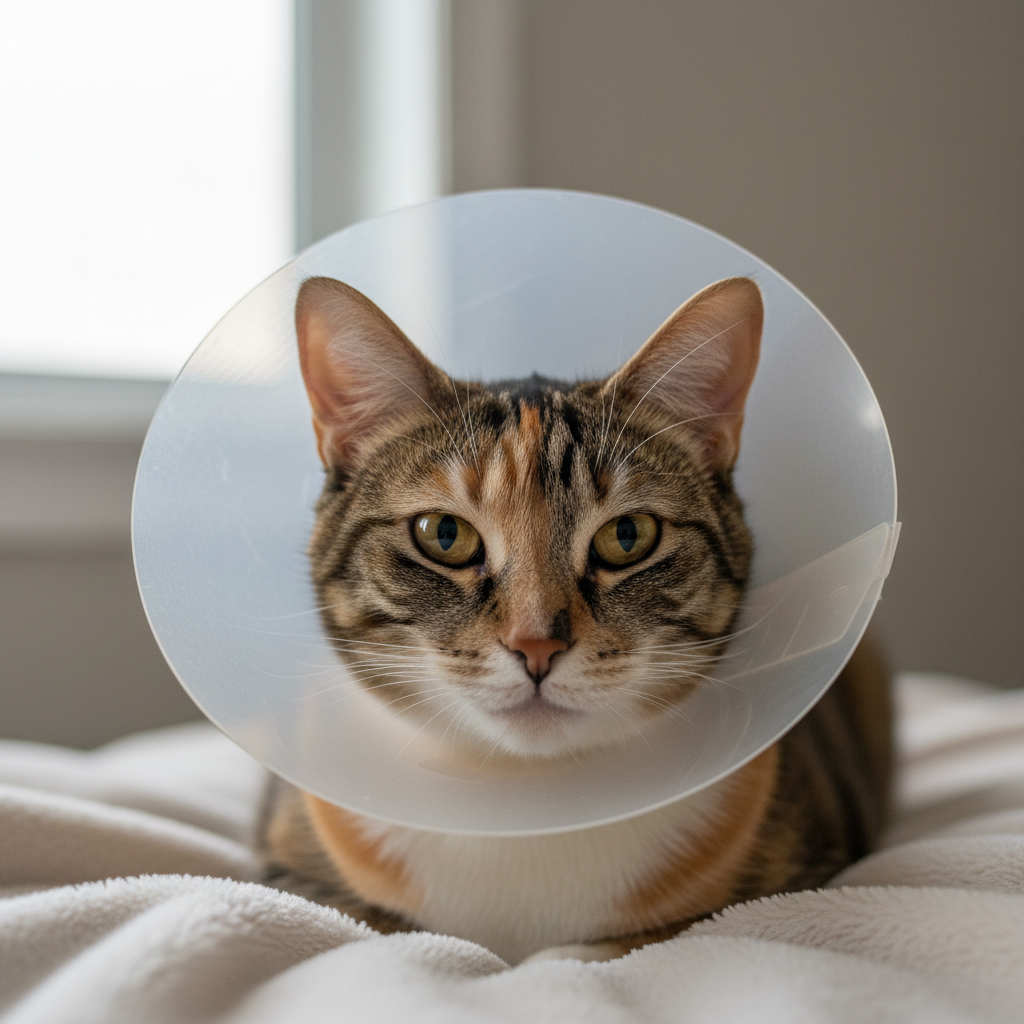
- Don’t cover the eye with bandages; use an e-collar if your cat keeps pawing.
According to the American Animal Hospital Association (AAHA), medication choices for eye problems depend on the cause, and improper use, especially steroid-containing products, can be harmful in conditions like corneal ulcers.
That last point matters because a lot of “quick fixes” online are really just ways to feel proactive, and eyes punish guesswork.
When a veterinarian can help more (and what they may do)
If your cat eye discharge remedy routine keeps turning into daily maintenance, it’s usually time for a proper exam. A vet can check for corneal ulcers, eyelid issues, tear production problems, and infections that need prescription medication.
- Fluorescein stain: highlights corneal scratches/ulcers.
- Tear testing: evaluates dry eye issues in some cases.
- Eye pressure check: helps rule out glaucoma or other concerns when indicated.
- Targeted meds: antibiotics, antivirals, anti-inflammatory options depending on cause.
If your cat has recurring eye discharge plus sneezing, ask about feline herpesvirus flare-ups, this is common in cats and can recur under stress. Management varies, and your vet can tailor advice to your cat’s pattern and household risk.
Practical “do this tonight” plan (and how to track changes)
If symptoms are mild and your cat seems comfortable, a short plan helps you stay calm and consistent.
- Tonight: clean each eye gently once, note discharge color and thickness.
- Tomorrow: repeat cleaning if needed, reduce irritants, run a humidifier if congested.
- 24–48 hours: you should see less discharge, less redness, and no new pain signs.
- Any time: if squinting starts, discharge becomes thick yellow/green, or appetite dips, call a vet.
Quick tracking tip: take one photo per day in the same lighting. It’s surprisingly useful when you’re deciding whether things improve, and it helps your vet if you need to go in.
Conclusion
A gentle approach works best when the issue is minor: clean with warm water or sterile saline, keep irritants low, and watch for the signs that suggest more than simple crust. The tricky part is knowing when to stop DIY, eye pain, thick colored discharge, and sudden one-eye symptoms usually deserve prompt veterinary attention.
If you want one simple next step, clean once, take a clear photo, then reassess your cat’s comfort level and appetite over the next day, those two signals often tell you more than the gunk itself.
FAQ
What is the safest cat eye discharge remedy I can do at home?
Gentle cleaning with warm water or sterile saline and a soft gauze pad is usually the safest. It removes crust that irritates the eyelid without exposing the eye to risky ingredients.
Can I use contact lens solution to clean my cat’s eye?
Plain sterile saline can be okay, but avoid “multi-purpose” solutions with cleaners or disinfectants. When in doubt, warm water is safer, and a vet can recommend a specific product.
Why does my cat have eye discharge every morning?
Some cats collect mild crust during sleep, especially if they tear more than average. If it wipes away easily and there’s no redness or squinting, it can be normal; persistent tearing or staining may be worth a vet chat.
What color discharge is most concerning in cats?
Thick yellow or green discharge tends to be more concerning than clear tearing, especially if paired with redness, swelling, or behavior changes. Bloody discharge or sudden severe watering is also a prompt-to-call situation.
My cat has watery eyes and sneezing, should I isolate them?
Often yes, especially in multi-cat homes, because common respiratory infections can spread. Keep bowls and bedding separate and wash hands between cats while you monitor symptoms and consider a vet call.
Is it okay to use human antibiotic ointment for cat eye discharge?
It’s not a good idea without veterinary guidance. The wrong medication can irritate the eye or delay treatment for an ulcer or viral condition, which is where time matters.
How long should I try home care before seeing a vet?
If symptoms are mild, 24–48 hours of gentle cleaning and monitoring is a reasonable window. If things worsen, your cat seems painful, or discharge becomes thick and frequent, contact a vet sooner.
If you’re dealing with recurring flare-ups, or you’d rather not guess whether a photo shows “normal crust” or something more, it can help to keep a simple eye-care routine and share clear pictures and notes with your veterinarian so you get advice that matches your cat’s pattern.