
how to get cat to use litter box usually comes down to three things: the box setup, the cat’s comfort level, and whether a health issue is getting in the way.
If your cat has started going outside the box, it’s tempting to treat it like “bad behavior,” but most of the time it’s a practical problem you can troubleshoot. The good news is that small changes, done in the right order, often move the needle fast.
In this guide, you’ll get a clear way to diagnose what’s happening, a step-by-step reset plan, and a few “don’t waste your time” warnings. If you’re dealing with a kitten, a recent move, or a multi-cat home, I’ll call those out too.
Why cats avoid the litter box (the real-world reasons)
When a cat skips the box, they’re communicating, just not in a way humans enjoy. These are the most common causes I see people miss.
- Box is “wrong” in their opinion: too small, too tall to enter, covered when they prefer open, or placed in a loud/high-traffic spot.
- Litter texture or scent is a dealbreaker: some cats hate pellets, heavy perfumes, or sharp crystal litter under their paws.
- It’s not clean enough: many cats tolerate less than we assume, especially if the box holds odor in a small room.
- Negative association: pain while urinating, a scary noise nearby, another cat ambushing them, or being punished after an accident.
- Stress and territory pressure: new pets, guests, construction noise, a move, or changes in routine can trigger avoidance.
- Medical issues: urinary tract disease, constipation, arthritis, or cognitive changes in seniors can make the box hard or unpleasant.
According to the American Association of Feline Practitioners (AAFP), litter box problems are a common reason cats are brought to veterinary care, and medical causes should be considered when behavior changes suddenly.
Quick self-check: what your cat’s “accidents” are telling you
Before you buy three new litters and five boxes, take two minutes to observe patterns. The details matter.
- Sudden change (used box for months, then stops): think stress or health first.
- Only urine outside box: often urinary discomfort, location dislike, or not enough boxes.
- Only poop outside box: constipation, dirty box, or a box that feels cramped for posture.
- Accidents near the box: entry height, litter feel, or they dislike the box but still aim for “bathroom area.”
- Accidents on soft items (laundry, rugs, bed): comfort-seeking, stress, or urine marking in some cases.
- Happens when you’re away: separation stress or conflict with another pet.
Key point: if you see straining, frequent tiny pees, crying in the box, or blood, treat it as urgent and contact a vet promptly.
Set up the “yes” litter box: location, size, and number
If you want a reliable fix, start with the environment. Many cats won’t negotiate.
Choose the right number of boxes
A practical rule that works in many homes is: one box per cat, plus one extra. It reduces competition and gives a stressed cat an “escape option.”
Pick a box your cat can actually use
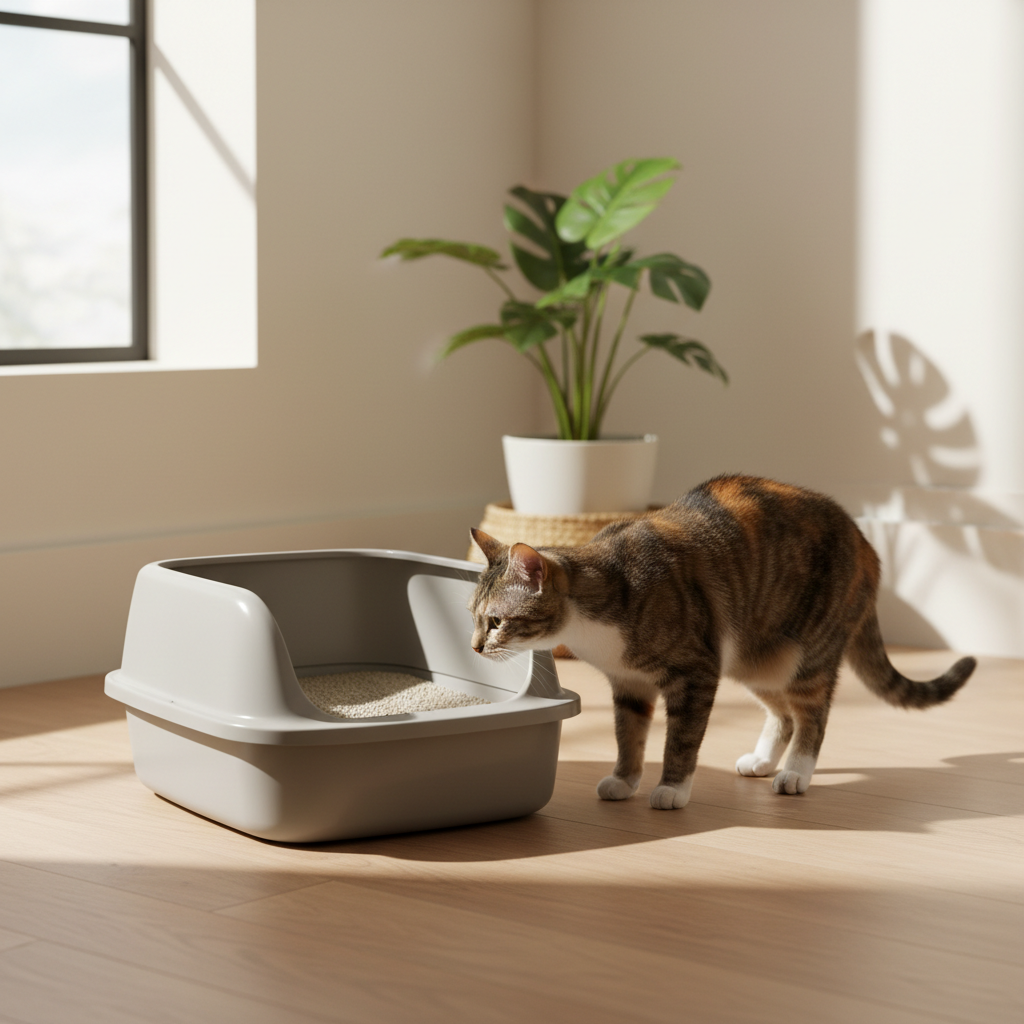
- Size: many adult cats do better with a larger, open box so they can turn easily.
- Entry: kittens and seniors often need a lower entry; arthritic cats may avoid high-sided bins.
- Cover or no cover: covered boxes trap odor; some cats like privacy, others feel cornered.
Place it where your cat feels safe
- Quiet, low-traffic area, not next to a loud washer or furnace.
- Avoid dead ends where another cat can “block the exit.”
- Don’t put food and water right beside the box.
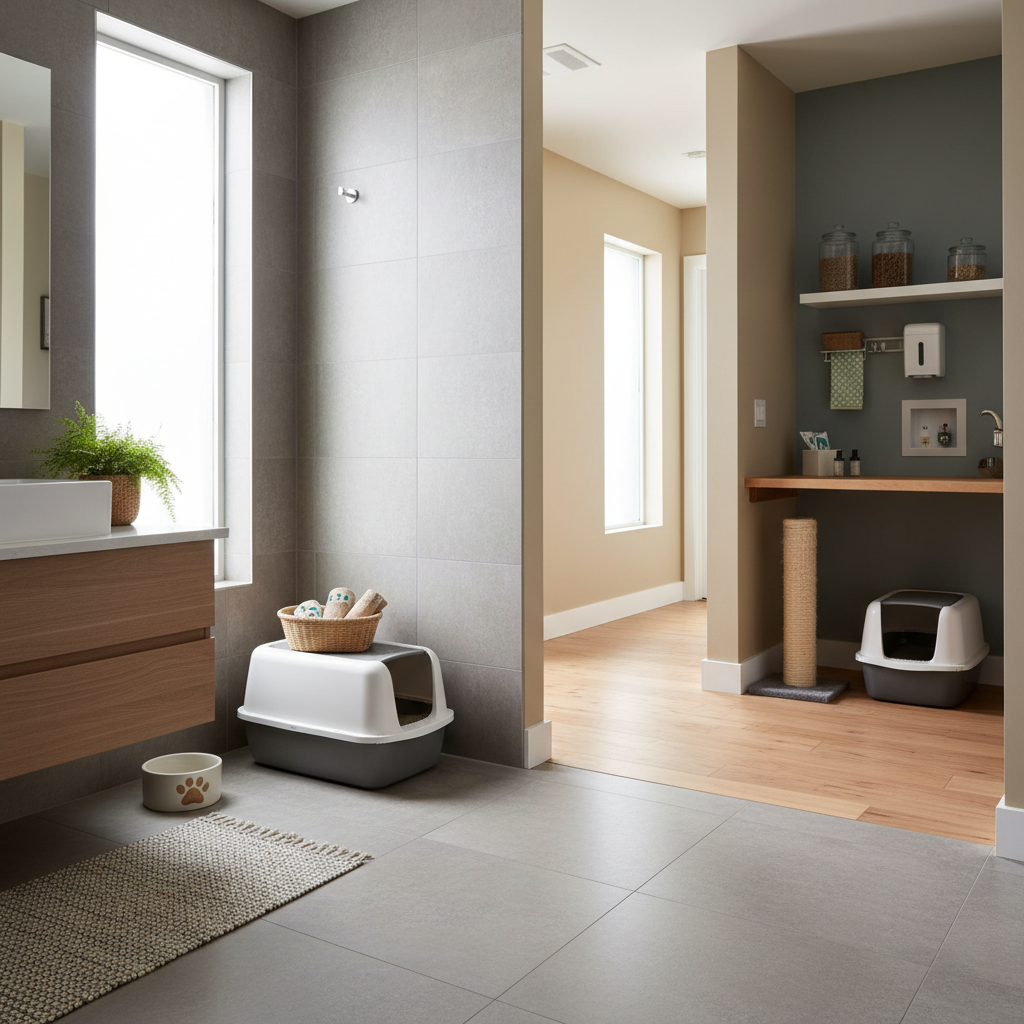
If you’re troubleshooting how to get cat to use litter box in a multi-cat home, box placement is often the difference between “fixed” and “still happening.” Separate locations beat lining boxes up side by side, because that still feels like one shared spot to many cats.
Litter and cleaning: small choices that change everything
For many cats, litter is sensory. What smells “fresh” to us can smell aggressive to them.
Start with a conservative litter choice
- Unscented clumping litter is a safe starting point for many cats.
- If you want to switch litter types, do it gradually over 7–14 days by mixing old and new.
- Depth matters: many cats prefer around 2–3 inches, but some dislike deep litter that shifts underfoot.
Clean the box like a cat cares about it
- Scoop at least once daily, twice if you can.
- Wash the box with mild soap and warm water during full litter changes; skip strong ammonia or citrus cleaners.
- Replace old boxes periodically if plastic holds odor or gets scratched.
According to the ASPCA, punishing a cat for eliminating outside the box is not effective and can make avoidance worse by increasing fear and stress.
A step-by-step retraining plan (works for kittens and adults)
When you’re stuck on how to get cat to use litter box, the fastest path is usually a reset: make the box the easiest, safest option again.
- Temporarily simplify the space: set your cat up in one calm room with food, water, a bed, and a box in a separate corner. This is not punishment, it’s clarity.
- Use one “easy” box first: large, open, low entry if needed, unscented litter.
- Guide without forcing: after meals or naps, calmly place your cat near the box; avoid holding them inside it.
- Reward the right behavior: small treat, gentle praise, or play right after they use the box, so the box predicts good outcomes.
- Expand territory slowly: once consistent, allow access to another room, keeping at least one box on each “level” of your home.
If your cat refuses the box during the reset, don’t keep “escalating” with scolding. That tends to make the room, the box, and you feel unsafe, which is the opposite of what you need.
Fix the specific scenario you’re dealing with
Different patterns call for different adjustments. This is where many people waste weeks.
If your cat pees on beds, rugs, or laundry
- Block access temporarily, close doors, remove laundry piles.
- Add a box closer to that area for now, then inch it to a better location over time.
- Clean with an enzymatic cleaner designed for pet urine, so the smell cue doesn’t remain.
If your cat uses the box sometimes, but not consistently
- Add one more box, in a separate spot.
- Try an uncovered box if you currently use a hood.
- Test one variable at a time (litter type, location, box style) so you know what worked.
If a new cat (or roommate, baby, dog) changed things
- Create predictable quiet zones, and keep at least one box in a “no dog access” area.
- In multi-cat homes, reduce ambush opportunities near boxes with open sightlines.
- Consider a slower reintroduction plan if cats show tension.
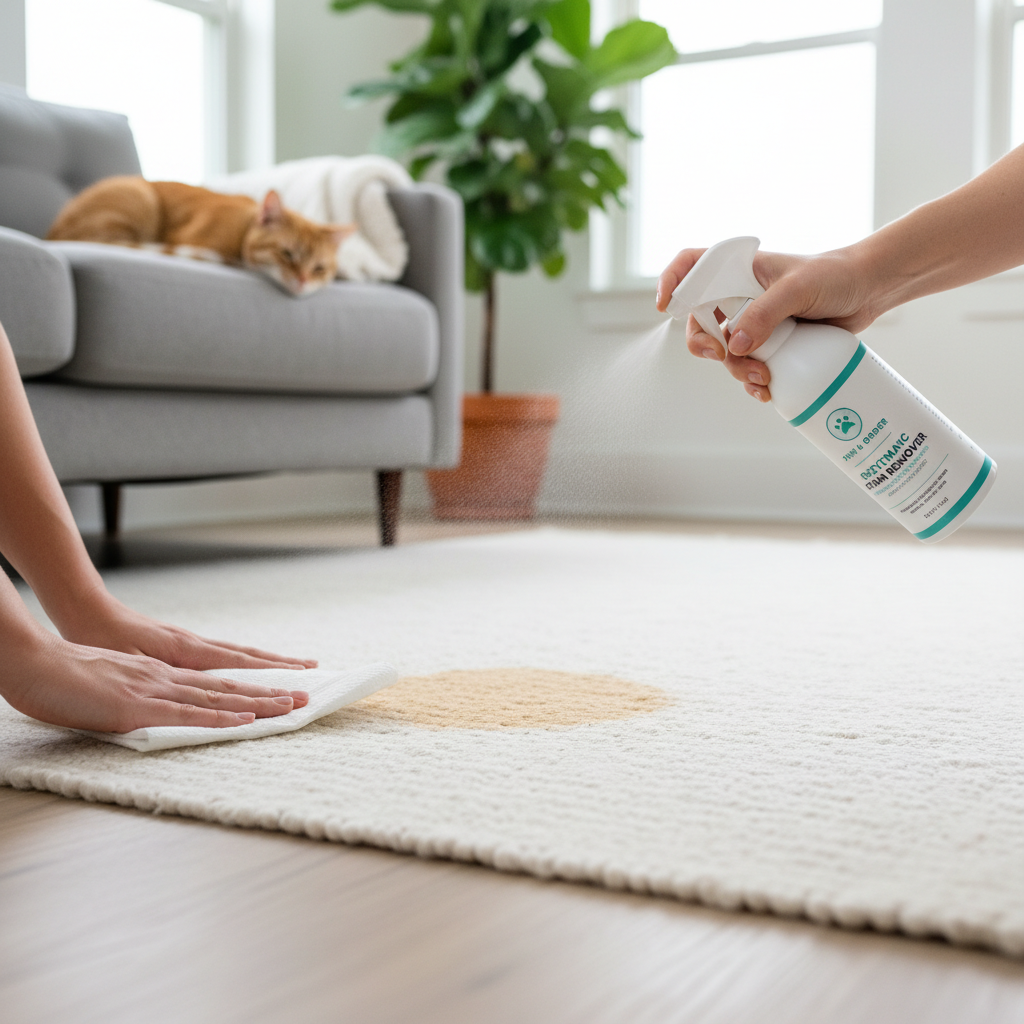
For many households, the “mystery fix” is really odor removal plus making the box easier to access than the old accident spot. Not glamorous, but it works.
Troubleshooting table: problem → likely cause → what to try next
Use this as a quick decision tool, especially when you’re tired and everything starts to blur together.
| What you see | Likely cause | What to try next |
|---|---|---|
| Pees right next to the box | Box/litter aversion, entry issue | Open larger box, lower entry, unscented clumping litter |
| Poops outside but pees inside | Constipation, posture discomfort, dirty box | Add second box, clean more often, vet check if straining |
| Accidents started after moving | Stress, unfamiliar layout | One-room reset, extra box, keep routine steady |
| Only happens at night | Access issue, location too far | Add a box closer, night light, remove obstacles |
| Frequent tiny pees or straining | Possible urinary issue | Contact a veterinarian promptly |
Common mistakes that slow progress
- Using scented litter as a “solution” for odor: it can backfire if your cat dislikes the smell, focus on scooping and ventilation instead.
- Moving the box repeatedly: constant change can keep a nervous cat unsettled, make one thoughtful change and give it a few days.
- Cleaning accidents with ammonia-based products: that scent can resemble urine and invite repeat offenses.
- Making the box hard to reach: a hidden basement box might please humans, but it’s not always fair to kittens or seniors.
- Assuming “spite”: most cats aren’t staging a protest, they’re avoiding something that feels unsafe or uncomfortable.
When to call a vet or a behavior professional
If you’re working through how to get cat to use litter box and the situation feels stubborn, it’s smart to get backup sooner rather than later, especially when the change is sudden.
- Vet visit is a good idea if you notice straining, blood, crying, frequent attempts, sudden accidents, weight loss, vomiting, or lethargy.
- Behavior help may be worth it if multiple cats have conflict around boxes, urine marking is suspected, or anxiety seems to drive the pattern.
According to the American Veterinary Medical Association (AVMA), behavior changes can be linked to underlying medical issues, so ruling out health problems is often a practical first step, not an overreaction.
Key takeaways and a simple action plan
Most litter box problems improve when you stop guessing and start testing the basics in a calm, consistent way. Make the box easy, keep it clean, remove the old scent cues, and reduce stress triggers you can control.
- Today: scoop, add one extra box if possible, switch to an unscented option if your litter is heavily perfumed.
- This week: adjust placement for privacy and safe exits, do enzyme cleaning where accidents happened.
- If red flags show up: contact a veterinarian and bring notes on timing, frequency, and where accidents occur.
If you want, write down what you changed and what happened for three days, it sounds nerdy, but it keeps you from chasing your tail and it makes vet conversations far more productive.