
Best cat dental treats are usually the easiest “do something today” option for plaque, tartar, and that breath you notice the second your cat yawns.
But reality check, not every crunchy treat is a dental treat, and even good ones have limits. Some cats swallow pieces whole, some have sensitive teeth, and some need a different plan entirely. This guide walks you through what actually matters in 2026, how to choose by your cat’s situation, and how to use dental treats without accidentally creating new problems like weight gain or stomach upset.
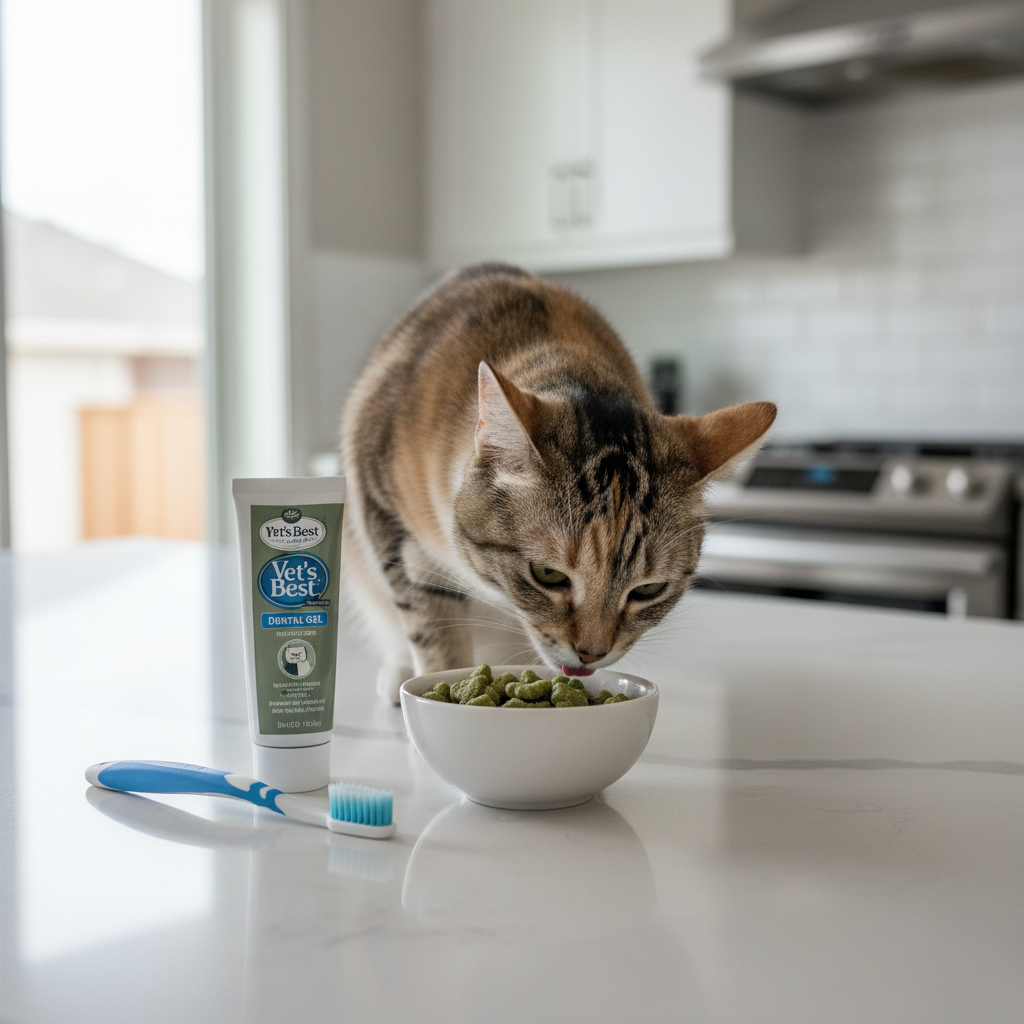
One more thing before we get tactical, dental disease is common in cats, and it’s easy to underestimate because many cats keep eating even when their mouth hurts. According to the American Veterinary Dental College (AVDC), most pets show signs of periodontal disease by age three, which is why prevention habits tend to pay off.
What dental treats can (and can’t) do for your cat
Dental treats help mainly through mechanical abrasion, meaning the texture rubs the tooth surface as your cat chews. Some products also use ingredients that bind minerals in saliva to slow tartar formation, but chewing remains the core mechanism.
Where they help most: mild buildup, maintenance after a professional cleaning, and cats that tolerate chewing better than brushing. Where they disappoint: heavy tartar, gum inflammation, broken teeth, and pain-driven behavior changes.
- Good expectation: less plaque over time, slightly fresher breath, slower tartar buildup.
- Bad expectation: replacing veterinary dental exams or removing existing tartar “chunks.”
How to choose the best cat dental treats: the short list that matters
The packaging can be loud, so it helps to filter with a few practical checks. When I review “best cat dental treats” claims, these are the signals that usually correlate with real-world usefulness.
- VOHC acceptance (if available): The Veterinary Oral Health Council lists products that meet standards for reducing plaque and/or tartar. According to the Veterinary Oral Health Council (VOHC), accepted products have data supporting their claim for a specific effect.
- Chewability for cats: Cats don’t chew like dogs. Look for pieces sized and shaped for feline mouths, not mini dog biscuits.
- Calorie clarity: Treats can quietly add up. If calories per piece aren’t obvious, it’s harder to use them consistently.
- Ingredient tolerance: If your cat has IBD tendencies or food allergies, simpler formulas often cause fewer surprises.
- Safety design: Avoid very hard treats for cats with dental sensitivity, and avoid oversized pieces for cats that gulp.
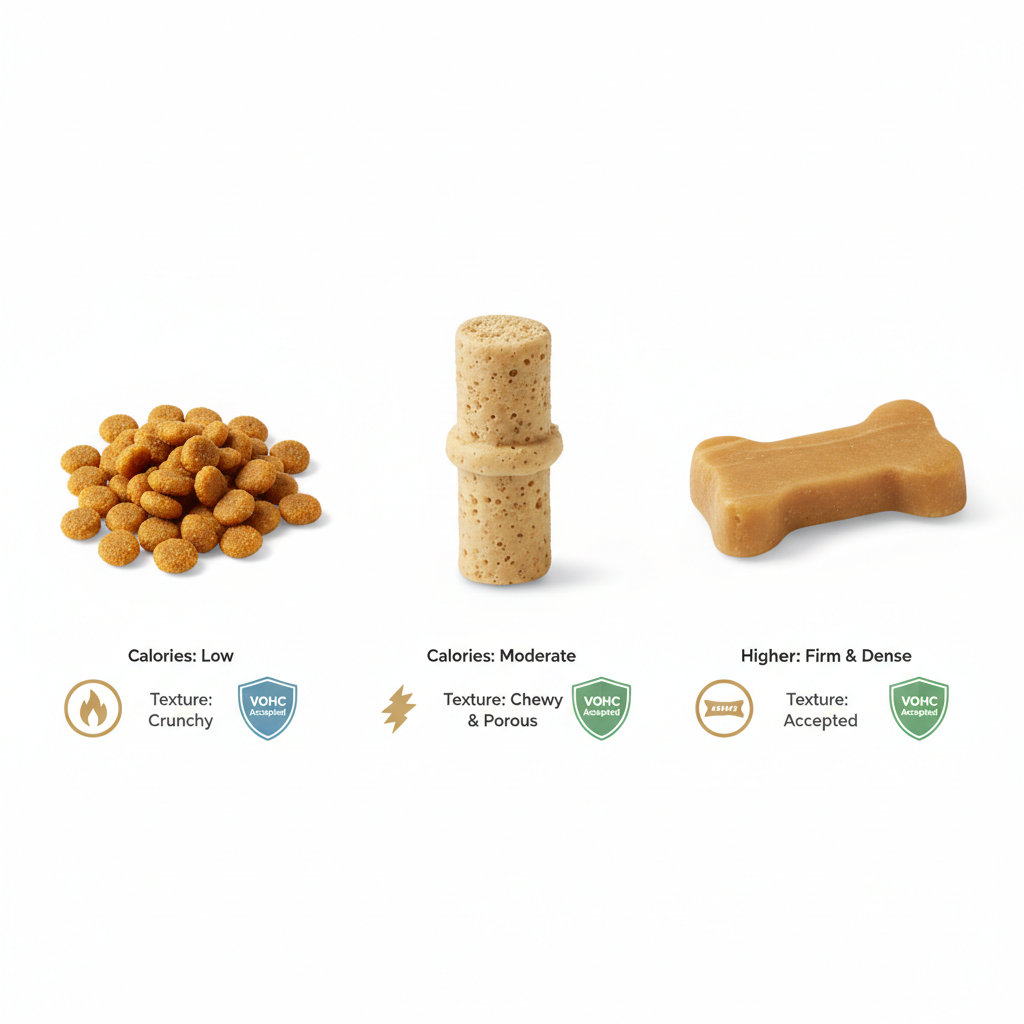
Key point: if you can only pick one filter, VOHC acceptance is the closest thing to a sanity check, even though it doesn’t guarantee the product is perfect for your cat’s preferences or medical history.
Quick self-check: is your cat a good candidate for dental treats?
Before buying a tub in bulk, run this quick “fit test.” It saves a lot of frustration, and it helps you avoid using treats when your cat actually needs a vet visit.
Usually a good fit
- Breath smells “off” but gums look mostly normal
- Mild plaque line near the gumline
- Your cat chews crunchy kibble (doesn’t just swallow)
- Post-cleaning maintenance plan recommended by your vet
Proceed carefully or ask your vet first
- Red, swollen, or bleeding gums
- Drooling, pawing at the mouth, or dropping food
- Visible tartar plates or loose teeth
- History of pancreatitis, IBD, or frequent vomiting
- Senior cats with unknown dental status
If any “ask your vet” signs show up, treats might still be part of the plan later, but pain and infection need attention first.
2026 buying guide table: match treat type to your goal
Different cats need different trade-offs. This table doesn’t pick one “winner,” it helps you pick the right category so your shortlist makes sense.
| Cat situation | What to look for | What to avoid | Why it matters |
|---|---|---|---|
| “Gulper” that swallows treats | Smaller pieces, slower-eat shape, higher crumble resistance | Large biscuits, very smooth treats | Less chewing means less tooth contact, plus choking risk may increase |
| Weight management needed | Lower calories per piece, measured daily limit | Free-feeding treats, unclear calorie labels | Dental benefits don’t help if calories push weight up |
| Sensitive stomach | Simple ingredients, gradual introduction | High-fat treats, frequent flavor switching | GI upset often comes from sudden diet changes |
| Post-dental cleaning maintenance | VOHC-accepted options, consistent schedule | Rotating too often “for fun” | Consistency is what builds results over weeks |
| Multi-cat home | Portion control per cat, separate feeding spots | Leaving a bowl out | One cat often steals the “dental plan” for everyone |
How to use dental treats so they actually work (and don’t backfire)
This is where a lot of people get stuck. They buy a great product, then use it in a way that barely touches teeth, or adds too many calories, or triggers stomach problems. A few habits make the difference.
1) Treats need a routine, not a random sprinkle
Pick a time you can repeat, and stick with the label guidance. If your cat eats them only once a week, the “dental” part is mostly marketing for your household.
2) Use them to replace calories, not add calories
Many cats gain weight from tiny extras. If you’re adding dental treats daily, consider reducing meal portions slightly, and ask your veterinarian for a safe target if you’re unsure.
3) Make chewing more likely
- Offer one piece at a time, so your cat doesn’t inhale a pile
- Try hand-feeding a few pieces to slow the pace
- If your cat gulps, choose smaller pieces or a different dental format
4) Combine with “low-drama” brushing when possible
Dental treats can help, but brushing still removes plaque more directly. According to the American Veterinary Medical Association (AVMA), regular at-home dental care like toothbrushing supports oral health. Even 2–3 times per week can be realistic for some cats, and you can still keep treats as reinforcement.
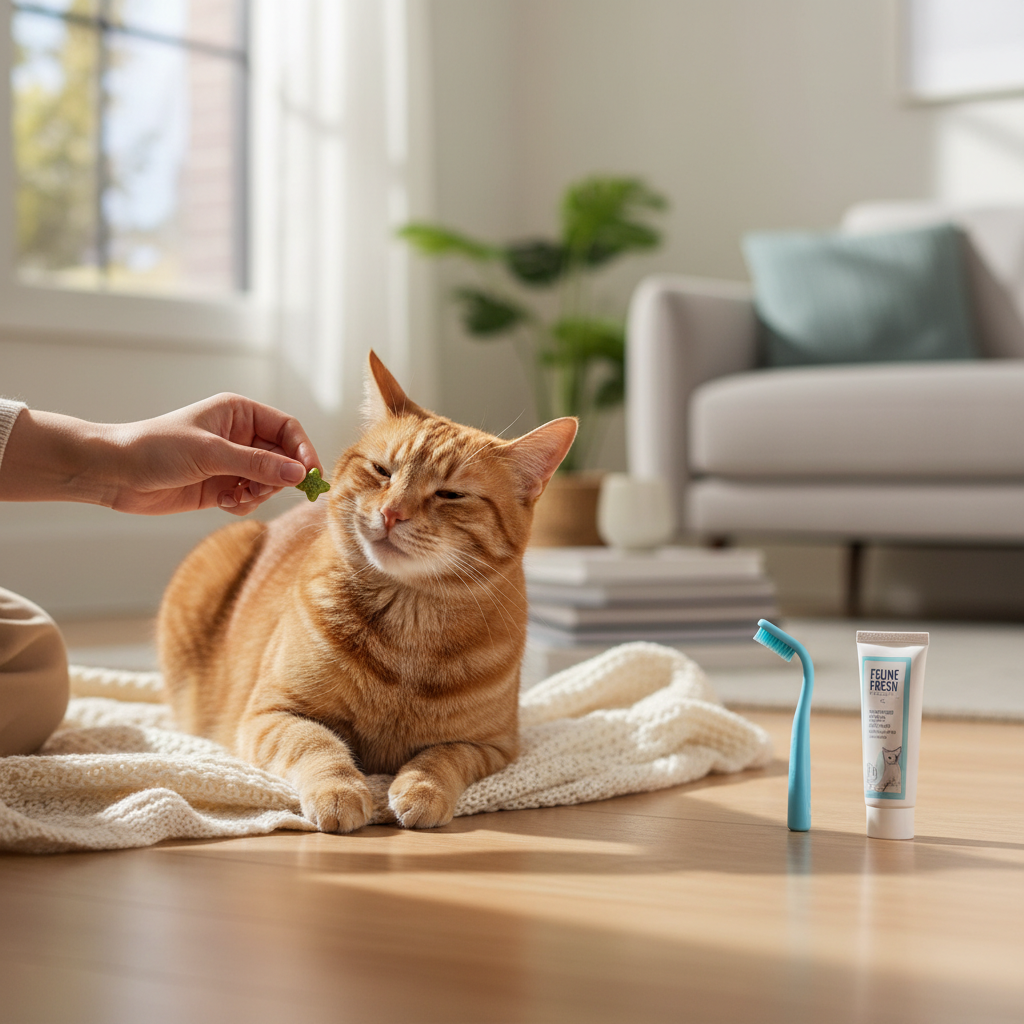
Practical combo that’s realistic for many homes: dental treats daily (measured), brushing a few times per week, and vet checks on schedule.
Common mistakes when shopping for the best cat dental treats
Some mistakes are innocent, some come from confusing dog advice with cat reality, and a few are just wishful thinking.
- Assuming “grain-free” equals “dental”: dental function depends on structure and evidence, not a buzzword list.
- Picking the hardest treat: extra-hard can be risky for cats with fragile teeth, and it doesn’t guarantee better cleaning.
- Ignoring the gums: bad breath plus red gums points to inflammation, not a treat problem.
- Over-treating for results: doubling the dose rarely doubles benefits, but it can raise calorie intake fast.
- Switching too quickly: cats with sensitive digestion may need a slow ramp-up over several days.
When dental treats aren’t enough: signs you should get professional help
This part matters because delaying dental care can mean pain, infection, and tooth loss. If you notice any of the signs below, a veterinary exam is the safer move than testing another bag of treats.
- Bleeding gums, strong odor that returns immediately after eating
- One-sided chewing, crying when yawning, or avoiding hard food
- Weight loss, hiding more than usual, behavior changes around food
- Visible brown tartar slabs, loose teeth, or swelling near the jaw
Only a veterinarian can confirm what’s going on under the gumline, and some cats may need professional cleaning or treatment. If anesthesia risk worries you, bring that up directly, your vet can explain options and monitoring.
Conclusion: a smart way to pick and use dental treats in 2026
Best cat dental treats work best when you treat them like a habit, not a miracle. Look for evidence-backed options when possible, choose a size and texture your cat will actually chew, keep calories honest, and watch gum health like it matters, because it does.
If you want one simple next step, pick a VOHC-accepted product (when available) and run a two-week trial with measured portions, then reassess breath, plaque line, and appetite. If anything looks painful or inflamed, skip the experiment and schedule a dental check.