
Best cat beds washable picks sound simple until you’ve washed one twice, the cover shrinks, the zipper breaks, and the “non-slip” base turns into a sled on hardwood.
If you’re shopping in 2026, the good news is that more brands build around real-life cleaning: removable covers, dryer-friendly fills, and fabrics that don’t hold onto hair forever. The bad news is the labels still hide the details that matter, like whether the insert is washable or only the cover.
This guide focuses on what actually makes a cat bed easy to wash, how to match a bed to your cat’s habits, and what to look for before you click “buy.” You’ll also get a quick comparison table, a decision checklist, and care steps that help beds stay fresh longer.
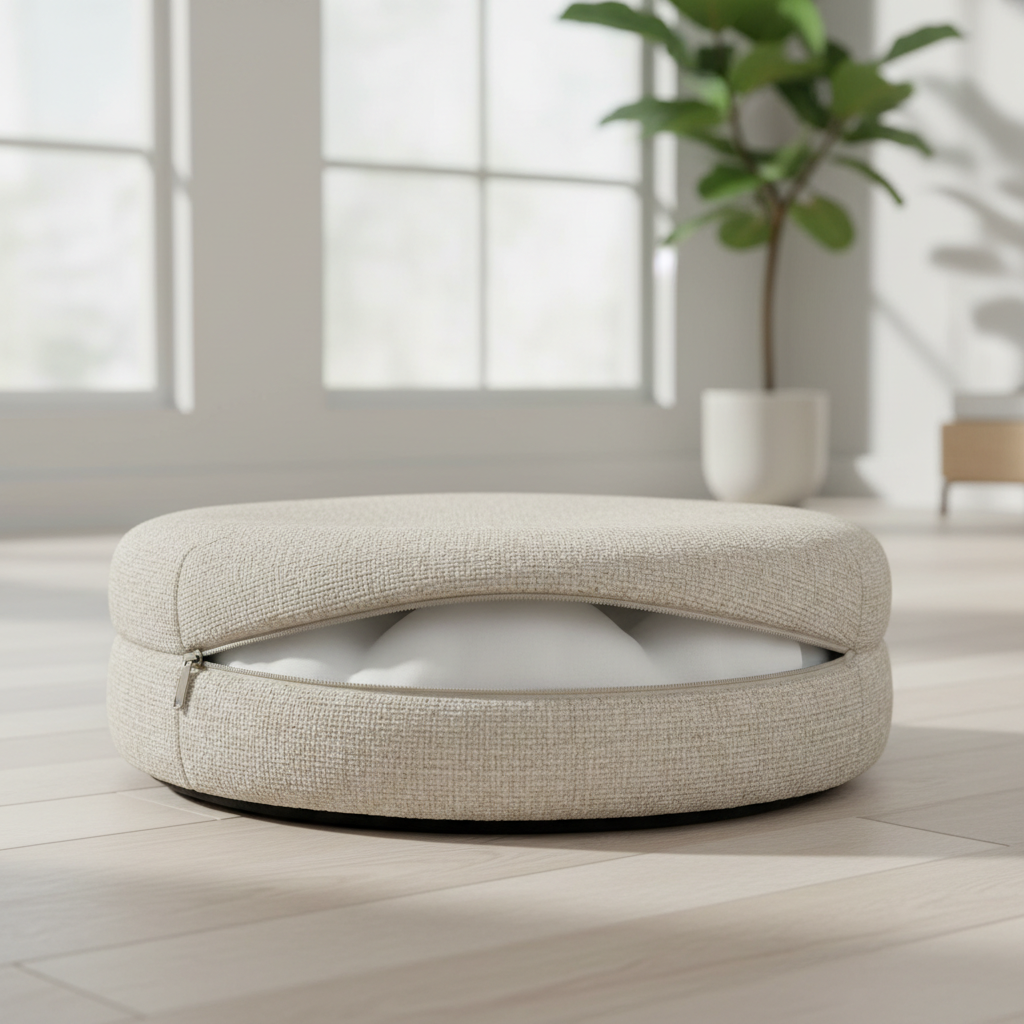
What “washable” really means (and why it matters)
Most listings say “machine washable,” but that can mean three very different things: only the cover is washable, the whole bed is washable, or the bed is “spot clean + occasional wash” with a lot of fine print. If you buy the wrong type for your mess level, you’ll either avoid washing it or replace it early.
- Removable cover washable: Best for frequent washing, usually easier to dry, but only if the inner insert doesn’t trap odor.
- Whole-bed washable: Convenient for small/medium beds, but drying time becomes the make-or-break detail.
- “Washable” but delicate: Often means cold wash, low spin, air dry only; workable, just not “easy.”
According to the American Society for the Prevention of Cruelty to Animals (ASPCA)... keeping pet bedding clean can help reduce odor and mess in the home, and it may support comfort for pets with sensitivities. If your cat has skin issues, it’s worth asking a veterinarian about detergents and wash frequency.
Quick comparison: features that make washable cat beds worth it
If you only scan one section, scan this. These are the features that typically separate “actually washable” from “technically washable.”
| Feature | Why it helps | What to check before buying |
|---|---|---|
| Removable cover | Lets you wash weekly without soaking the entire insert | Hidden zipper, zipper length, replacement covers offered |
| Hair-resistant fabric | Less lint-rolling, less hair stuck after washing | Tight weave, micro-suede, canvas-like blends |
| Washable insert (not just cover) | Odor builds inside over time | “Insert machine washable” stated clearly |
| Fast-dry fill | Prevents that damp “mildew” smell | Poly fill, shredded foam labeled dryer-safe |
| Water-resistant liner | Helps with accidents or senior cats | Liner removable, not noisy/crinkly |
| Non-slip base | Stops sliding, reduces stress for jump-in/jump-out cats | Rubber dots that survive washing |
Common reasons washable cat beds fail in real homes
When people tell me a bed “didn’t last,” it’s usually one of these issues, not the shape or color.
- Drying takes forever: Thick bolsters and memory foam inserts can stay damp deep inside, especially in humid climates.
- Cover fits poorly after first wash: Shrinkage or weak stitching makes reassembly annoying, so you stop washing it.
- Odor trapped in the core: Washing only the cover helps, but the insert keeps the smell.
- Cat hair “bakes in”: Some plush fabrics hold hair even after a full wash cycle.
- Chewing/scratching targets seams: Exposed zippers and piping become the weak spot.
Reality check: a bed can be washable and still not be the right fit if your cat treats it like a scratching post. In that case, durability details matter more than “luxury fluff.”
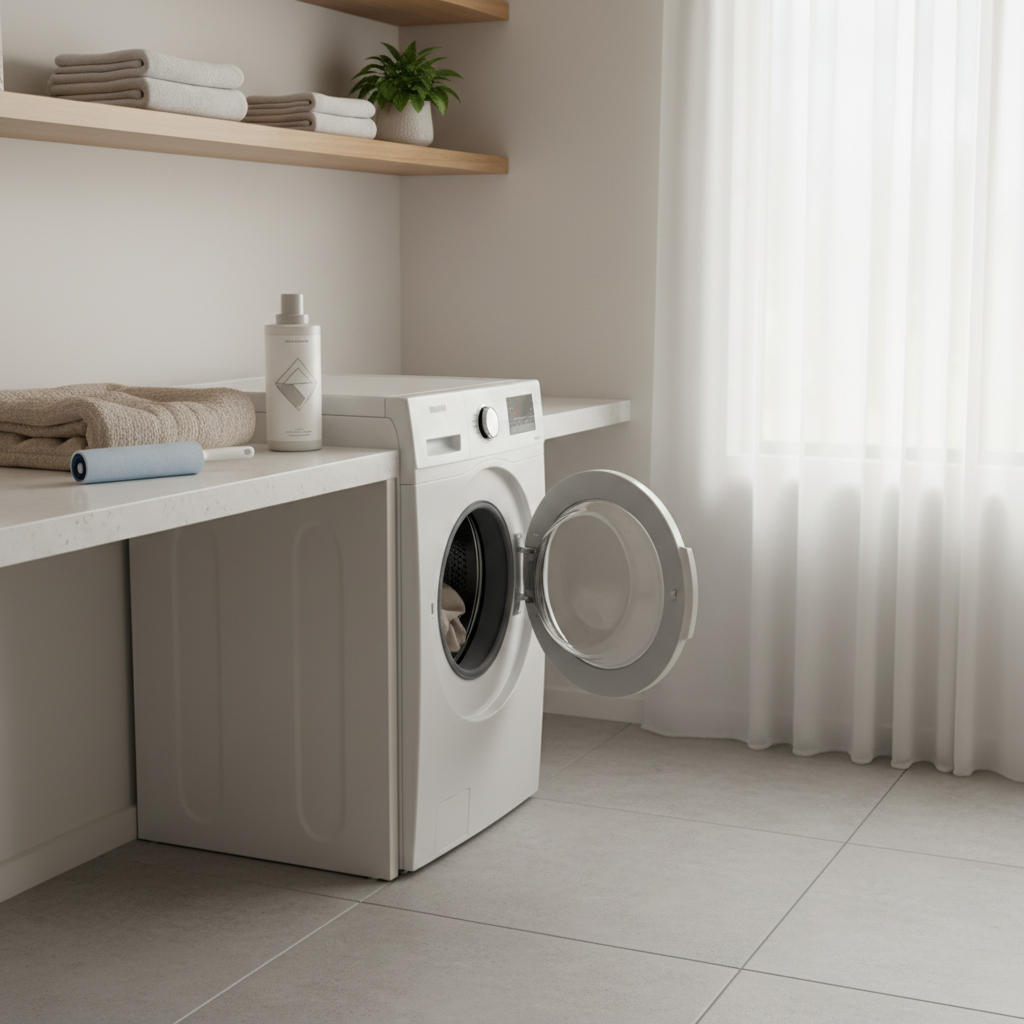
A quick self-check: which washable bed type fits your cat?
This is the part most guides skip. Two cats can live in the same house and need totally different “easy wash” setups.
If your cat sheds heavily or you have allergies at home
- Prioritize removable covers and tight-weave fabrics that release hair.
- Choose lighter colors only if you’re fine seeing hair sooner, it’s not a cleanliness issue, it’s just visibility.
- Look for a bed with fewer deep tufts where hair tangles.
If your cat has occasional accidents or is a senior
- Pick a bed with a water-resistant liner and washable insert.
- Skip overly tall bolsters if mobility is a concern, low entry helps.
- Consider buying two covers so you can swap fast.
If your cat loves kneading and nesting
- A “donut” style can work well, but check whether the entire bed is washable and how it dries.
- Long-fiber shag looks cozy, yet it often traps hair and takes longer to dry.
If your cat runs hot (or sleeps near sunny windows)
- Choose breathable fabrics, avoid thick faux-fur if your home stays warm.
- A washable mat-style bed can be more comfortable than a deep plush cave.
How to shop: washable features that are actually worth paying for
Price doesn’t always buy washability. You’re paying for construction choices that make cleaning less annoying.
- Zipper protection: A hidden zipper flap reduces chewing and keeps fur from clogging the teeth.
- Panel design: A cover made from multiple panels often fits better after washing than a single-piece “tube.”
- Replaceable parts: Brands that sell replacement covers or inserts usually expect you to wash and keep the bed long-term.
- Clear care label: You want specific instructions, not vague “wash as needed.”
Also watch the sizing. If the bed barely fits your washer, it will twist, wash unevenly, and dry poorly. Many people end up with best cat beds washable on paper, then never wash them because the load is a headache.
Washing steps that keep beds soft (without leaving smells behind)
Most washable beds fail because of detergent buildup, incomplete drying, or hair clogs, not because the fabric is “bad.” Try this routine before you give up on a bed you already own.
Before washing
- Shake outside, then vacuum the bed and seams, it cuts down on washer hair.
- If there’s odor, pre-soak the cover (not foam inserts) in cool water with a small amount of gentle detergent.
- Close zippers and turn covers inside out to protect fabric and hardware.
In the washer
- Use cold or warm water based on the label; hot water can shrink some covers.
- Pick an extra rinse if your cat is sensitive to fragrance.
- Avoid fabric softener in many cases, it can reduce absorbency and sometimes holds odor.
Drying (where most people get stuck)
- Dry covers fully before reassembly, even slight dampness can create a stale smell.
- If the insert is dryer-safe, use low heat and pause to fluff; uneven drying is common.
- If it’s foam and air-dry only, plan for time, and place it somewhere with airflow.
According to the U.S. Food & Drug Administration (FDA)... some pets can be sensitive to residues from household products, so using a mild detergent and rinsing well is a practical safety step. If your cat has recurring skin irritation, consult a veterinarian about product choices.
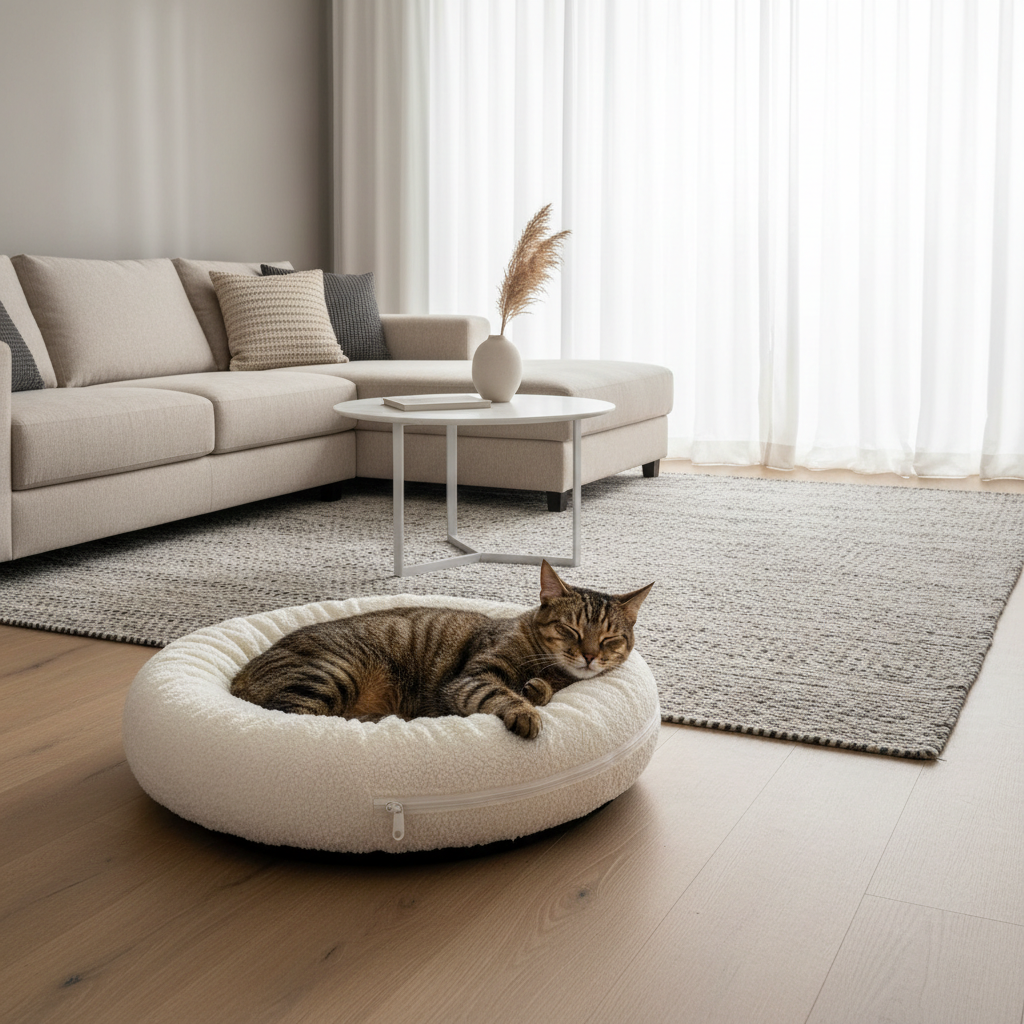
Key takeaways: what to prioritize in 2026
- Removable cover + washable insert usually beats “cover-only washable” for long-term odor control.
- Fast drying matters as much as washing, especially for thick donut beds.
- Hair-release fabrics make weekly cleaning realistic, which is the whole point.
- If your cat has accidents, add a liner to the checklist and avoid inserts that can’t be cleaned.
For most homes, the most “future-proof” option is a bed with replaceable covers, a simple shape that fits your washer, and materials that don’t fight you at every wash. That’s usually how best cat beds washable choices stay genuinely low-effort.
Practical buying checklist (copy/paste before you order)
- Cover removable, zipper protected
- Care label clearly states wash + dry settings
- Insert washable or at least odor-resistant and replaceable
- Bed size fits your washer and dryer
- Non-slip base if you have hard floors
- Fabric releases hair without heavy lint rolling
- For seniors: low entry, supportive but not overly tall
Conclusion: picking a washable bed you’ll actually keep clean
The “best” washable cat bed is the one you’ll wash on a normal week, not only when it gets embarrassing. If you want a simple rule, prioritize a removable cover, confirm whether the insert is washable, and pick a design that dries without drama.
If you’re deciding today, do two quick actions: measure your washer opening and check the care label details in the product listing or Q&A, those two steps prevent most regret purchases. And when in doubt, lean toward the options that make washing boring, boring is good.