
Best dog harnesses for pulling are the ones that match your dog’s body shape, pulling style, and your walking goals, not just the highest-rated option on a product page.
If your arm feels like it’s getting yanked out of its socket, your dog coughs on a collar, or you’ve tried three harnesses that still twist and rub, you’re not alone. Most “this will stop pulling” promises fall apart because fit and mechanics matter more than marketing.
This guide breaks down the main harness styles that actually help with pulling, what to look for when you measure and fit, and how to choose based on real scenarios like strong adolescents, deep-chested breeds, short-nosed dogs, and escape artists. You’ll also get a quick comparison table, a self-check list, and a few walking tweaks that often make the harness work better.
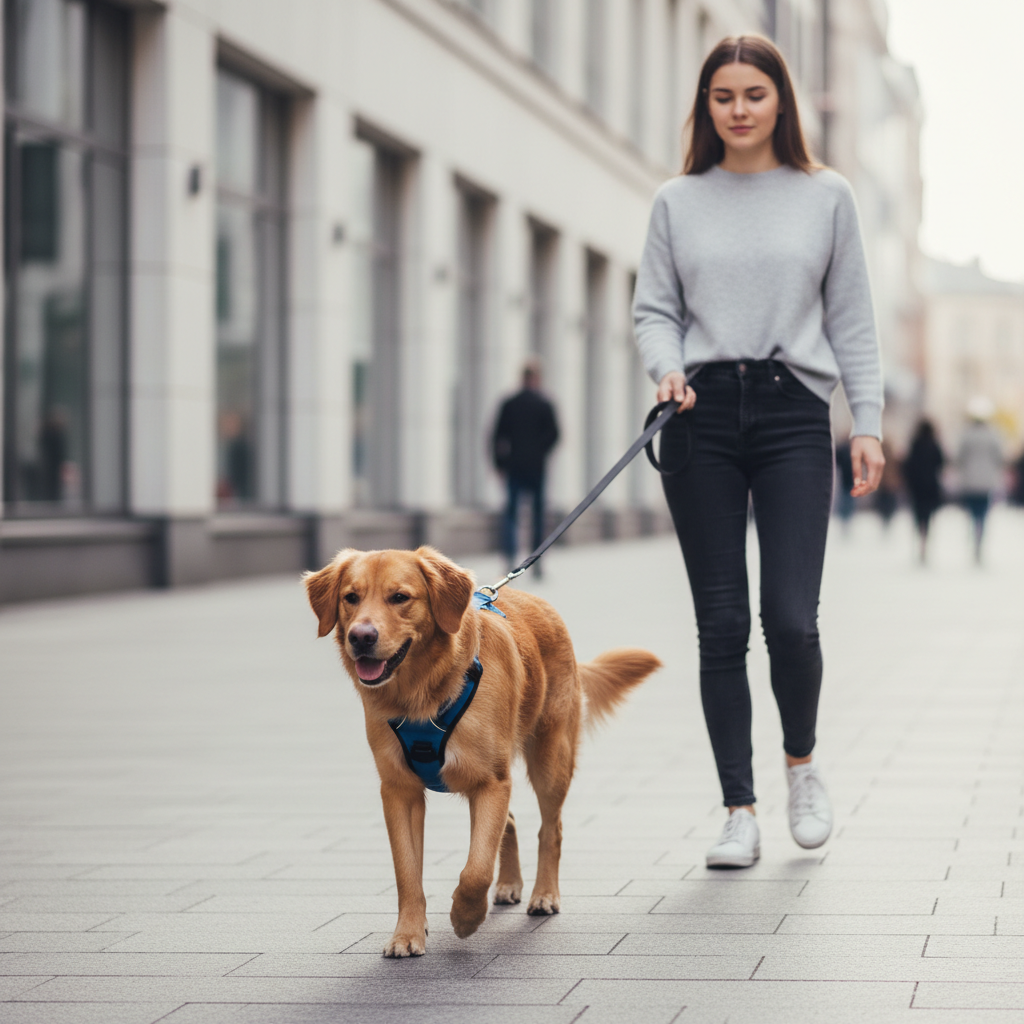
What “pulling” usually means (and why harness choice changes)
Pulling can look the same from your end of the leash, but the cause varies. Some dogs pull because they’re over-aroused and moving faster than their brain can keep up, others pull because they’ve practiced it for months and it works, and some pull because discomfort makes them dart or brace.
According to the American Veterinary Medical Association (AVMA), training tools should be used in ways that protect an animal’s welfare and avoid injury, which is a useful reminder here: if your dog is coughing, gagging, or shutting down on walks, step back and reassess fit and approach, and consider asking a veterinarian or qualified trainer for input.
Harness type matters because it changes how force is distributed and how the leash cue influences the dog’s body. A back-clip harness often reduces neck pressure but can make pulling easier for some dogs, while a front-clip option tends to redirect momentum when the dog surges.
- Goal A: reduce strain and keep walks comfortable while you train
- Goal B: actively reduce pulling by changing leverage and feedback
- Goal C: prevent escapes for dogs who back out or twist
Harness styles for pulling: what works, what doesn’t, and for whom
There’s no perfect harness for every dog, but a few designs repeatedly perform well in day-to-day use. The trick is picking a design that fits your dog’s gait and your handling style.
Front-clip “no-pull” harness
This style places the leash attachment on the chest. When the dog lunges, the pull tends to rotate the dog slightly toward you, which can interrupt the straight-line drive. For many households, this is the most practical starting point when searching for best dog harnesses for pulling.
- Good for: moderate-to-strong pullers, adolescent dogs, reactive “surge” moments
- Watch out for: straps that sit too close to the shoulder joint and restrict movement
Dual-clip harness (front + back)
Dual-clip models give flexibility. You can walk on the back clip for casual sniffy strolls and switch to the front clip for higher-distraction areas, or use a two-point leash to reduce twisting.
- Good for: owners who want options and smoother steering
- Watch out for: poor fit causes the harness to slide sideways under tension
Back-clip Y-front harness (comfort-first)
A well-designed Y-front lets the shoulder move more naturally than some straight-across chest straps. It’s a comfort and mobility choice, not a “pulling fix,” but it’s often safer than a collar for dogs prone to coughing or tracheal sensitivity.
- Good for: small dogs, brachycephalic breeds, dogs in rehab plans per a veterinarian
- Watch out for: strong pullers can feel like they’re “in a sled harness”
Head halter or training attachment (not a harness, but often compared)
Head halters can reduce pulling quickly for some dogs because they guide the head. But they require conditioning and careful handling, since sudden lunges can stress the neck. Many trainers use them as a temporary management tool, not a forever solution.
- Good for: handlers needing extra control while training progresses
- Watch out for: neck safety, proper conditioning, and dog comfort
Quick comparison table (choose a direction in 60 seconds)
If you’re stuck between styles, pick based on your main problem, then fine-tune by fit and adjustability.
| Harness Type | Pulling Control | Comfort & Mobility | Escape Resistance | Best Use Case |
|---|---|---|---|---|
| Front-clip no-pull | High (for many dogs) | Medium (depends on strap placement) | Medium | Leash manners training + daily walks |
| Dual-clip | Medium–High | Medium–High | Medium | Mixed environments, two-point leash handling |
| Back-clip Y-front | Low–Medium | High | Medium | Comfort-first, sensitive necks, long walks |
| Escape-proof (3-strap) | Medium | Medium | High | Houdini dogs, fearful dogs backing out |
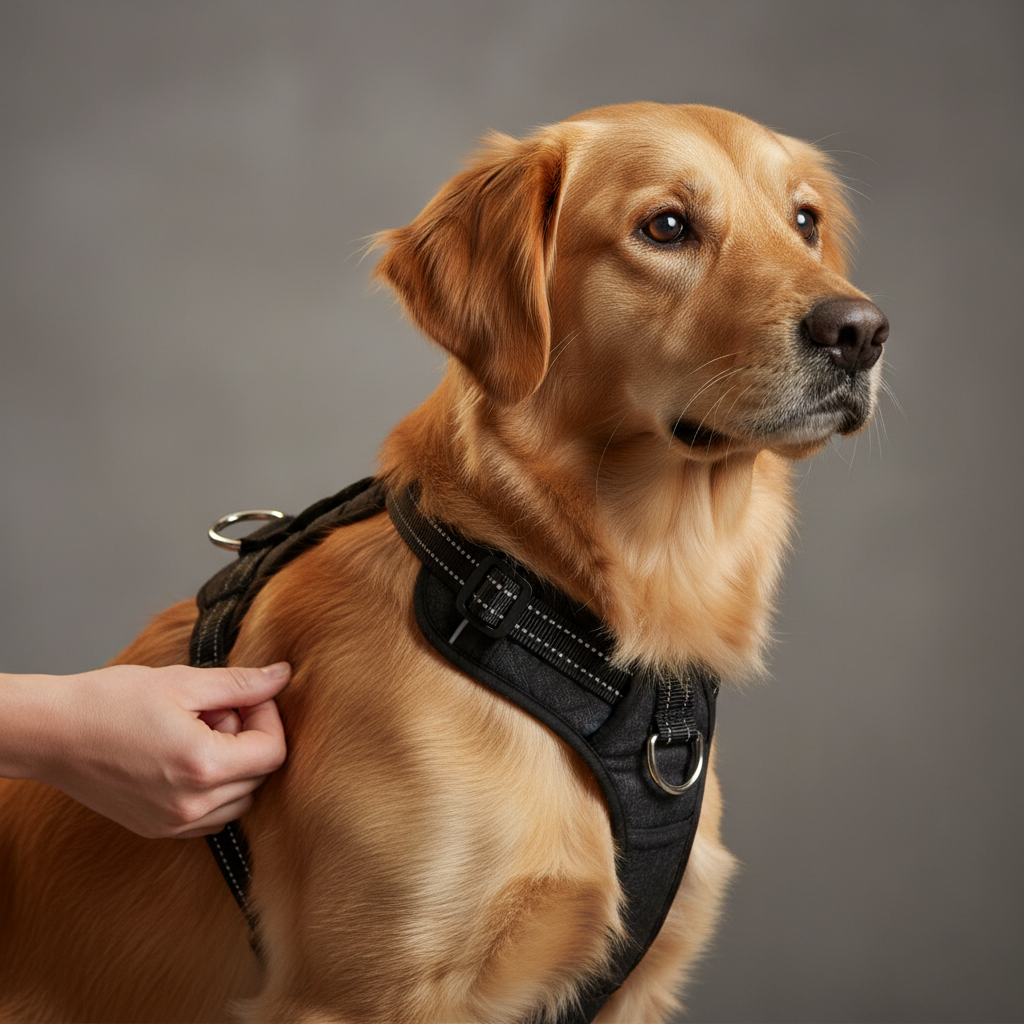
Fit matters more than brand: a practical self-check list
A harness can be “right” on paper and still fail if it rides up, rubs, or changes the dog’s stride. Before you return another box, run this quick check at home.
- Shoulder clearance: front straps sit behind the shoulder joint, not across it
- Chest plate position: centered on the breastbone, not sliding into the armpits
- Two-finger rule: you can slide two fingers under straps, snug but not tight
- No twisting under tension: clip the leash and apply gentle pressure, harness stays aligned
- Chafe check: after a 15–20 minute walk, look for redness at armpits and sternum
- Range of motion: dog can walk and trot without “short steps” in the front
- Escape test: dog backs up slowly, harness should not slip over shoulders
Key point: if the harness shifts sideways when your dog pulls, it usually needs a better shape for your dog’s chest, more adjustment points, or a two-point leash to stabilize it.
How to pick the best option for your dog (common scenarios)
People searching for best dog harnesses for pulling are often dealing with one of these situations. Matching the harness to the moment you dread most is the fastest way to see improvement.
Strong puller who leans like a freight train
- Start with a front-clip or dual-clip, prioritize sturdy webbing and hardware
- Look for a chest design that stays centered under load
- Pair with a 6-foot leash and avoid long retractables during training
Dog coughs on collar or has a sensitive throat
- Choose a Y-front back-clip or a well-fitted dual-clip used on the back ring
- If coughing persists, consult a veterinarian, sometimes the issue isn’t equipment
Houdini dog backs out of harness when startled
- Consider a 3-strap escape-proof harness with an extra belly band
- Use a backup connection to collar (safety strap) in higher-risk areas
- Practice calm, low-distraction walks while you rebuild confidence
Short-nosed breeds (Frenchie, Pug) or small dogs
- Avoid pressure near the throat, look for wide, padded chest support
- Keep weight low, bulky gear can reduce comfort on longer walks
- Monitor heat and breathing, and ask a vet if exercise tolerance seems limited
Reactive or easily over-stimulated dogs
- Front-clip can help with steering, but training matters more than hardware
- Choose a harness that stays stable, sudden surges expose fit problems fast
- Consider a trainer who uses reward-based methods for reactivity plans
Make the harness work: simple walking steps that reduce pulling
Even the best equipment won’t replace practice. That said, a few small habits can turn a “meh” harness into something that actually changes the walk.
- Start with a calm exit: if the leash goes tight at the door, pause, reset, then try again
- Reward the slack: mark and treat when the leash stays loose for a few steps
- Change direction early: don’t wait for a full lunge, turn when you feel the first surge
- Use a sniff break as payment: let your dog reach the interesting spot when they walk nicely
- Short sessions count: 5–10 minutes of practice often beats one long wrestling match
According to the American Kennel Club (AKC), positive reinforcement approaches help build reliable leash manners over time, which pairs well with harness management, especially if your dog gets frustrated easily.
Common mistakes that make pulling worse (even with a good harness)
Some issues look like “this harness doesn’t work,” but the real culprit is setup or expectations.
- Buying the right size but wrong shape: deep chest, narrow chest, and broad shoulders fit differently
- Too loose “for comfort”: extra slack often increases rubbing and makes escape easier
- Front-clip twisting: a single front clip can spin on some dogs, try a two-point leash
- Relying on pain or intimidation: harsh corrections can increase anxiety and make walks spikier
- Skipping conditioning: dogs often need a few short sessions to accept new gear calmly
Reality check: if your dog can still drag you at full speed, consider whether the issue is handler safety, not just pulling. In that case, management plus professional help is usually faster than endless product swaps.
When to involve a veterinarian or trainer
If pulling suddenly appears, or your dog shows limping, yelping, heavy panting, or reluctance to walk, a medical issue might be contributing. A veterinarian can help rule out pain, airway issues, or mobility limitations that change how a dog moves on leash.
If your dog lunges at people or dogs, panics in traffic noise, or you feel physically unsafe, a certified trainer can design a plan that’s more specific than “buy a stronger harness.” According to the Certification Council for Professional Dog Trainers (CCPDT), credentialed trainers meet standards around knowledge and skills, which can be a helpful filter when you’re choosing support.
Conclusion: what to buy for pulling in 2026 (and what to do next)
If you want a practical default, a well-fitted front-clip or dual-clip harness is still the most reliable starting point for most pullers, with an eye on shoulder clearance and strap stability. If your dog backs out of gear, go straight to an escape-resistant design and add a backup attachment for peace of mind.
Your next step can be simple: measure your dog, run the fit checklist, then do three short loose-leash sessions this week where the goal is slack, not distance. That combination tends to beat “shopping harder,” and your shoulders will notice quickly.
Key takeaways
- Fit and strap placement usually matter more than brand names
- Front-clip and dual-clip styles often help reduce pulling by changing leverage
- Escape-proof designs are worth it for fearful dogs or expert backers-out
- Training + management is what makes the improvement stick
FAQ
- Do no-pull harnesses actually stop pulling?
They can reduce pulling for many dogs by redirecting momentum, but most dogs still need practice to build consistent loose-leash walking. - Is a front-clip harness safe for all dogs?
Often yes, but fit is critical. If the strap sits too close to the shoulder or the harness twists heavily, consider a different design or a two-point leash, and ask a trainer if you’re unsure. - What’s better for pulling, a harness or a collar?
For many dogs, a harness reduces neck strain compared with a collar. If your dog has coughing, gagging, or airway concerns, it’s smart to speak with a veterinarian about safe options. - Why does my dog’s harness slide to one side?
Common causes include loose straps, a chest shape mismatch, or using a single front clip on a dog who surges hard. More adjustment points or a dual-clip setup often stabilizes it. - How tight should a dog harness be?
Snug enough that it doesn’t rotate or rub, usually the two-finger spacing guideline works as a baseline. Check after walks for redness, especially near armpits. - Can I use a retractable leash with a no-pull harness?
Many handlers find retractables make pulling worse because tension becomes constant. A fixed-length leash is typically easier for training and safer in crowded areas. - What if my dog pulls because they’re reactive?
Harness choice can help with control, but behavior work matters most. A reward-based trainer can help you build distance and calmer patterns around triggers.
If you’re trying to narrow down the best dog harnesses for pulling without buying five options, it often helps to start with your dog’s body type and your hardest walking moment, then choose a harness style that matches that situation, and finally fine-tune fit with a two-point leash or a backup strap when safety matters.