Senior dog water bowl slow drink options can help when an older dog starts gulping water, coughing after a few laps, or making a puddle every time they drink. The goal is simple, slow the pace without stressing your dog out, and lower the chance of water “going down the wrong way.”
People usually notice this change after a dental issue, a bout of nausea, new meds, or just general aging. And it’s easy to misread, some dogs drink fast because they’re thirsty, others because they feel rushed, and some because their coordination is not as crisp as it used to be.
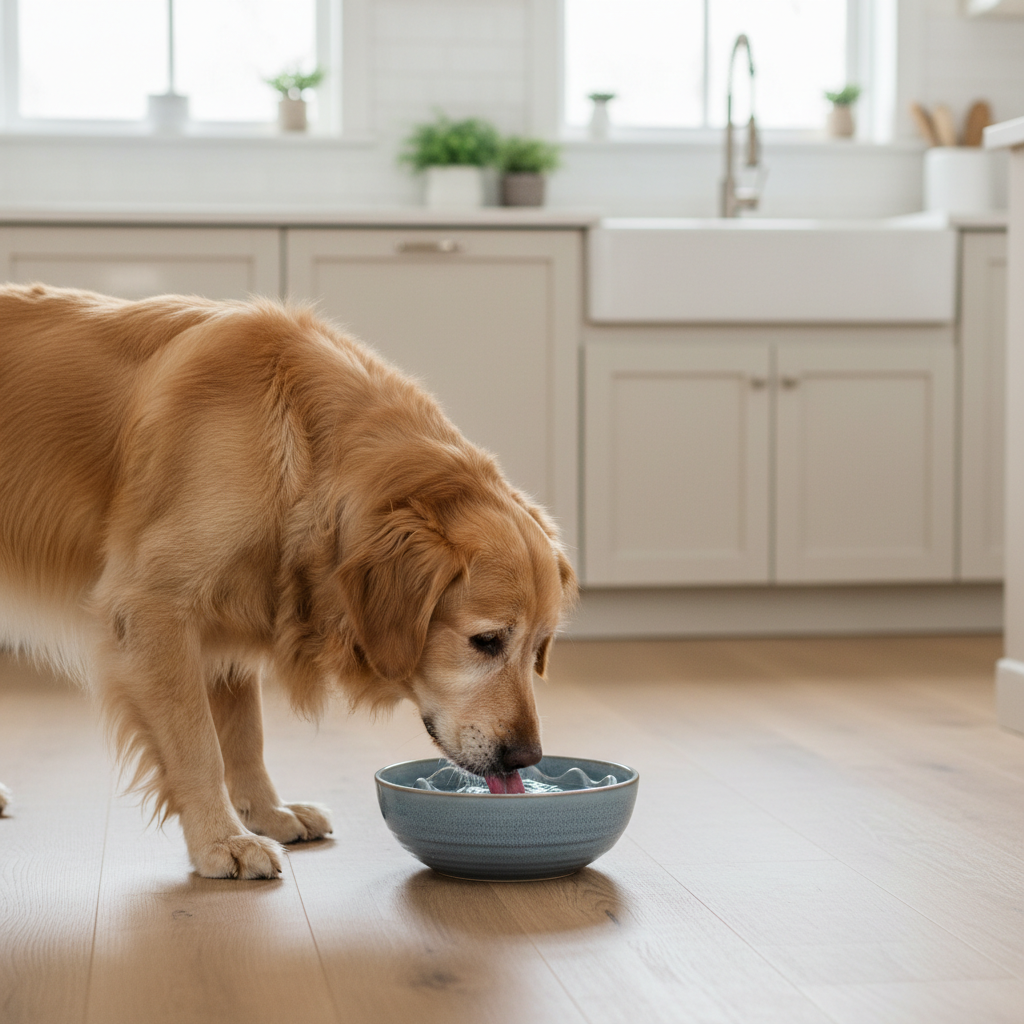
This guide helps you decide whether a slow-drinking bowl is a good fit, which designs tend to work for seniors, how to set it up, and when it’s smarter to call your vet instead of shopping for another bowl.
Why some senior dogs gulp water or cough afterward
Fast drinking is not always “bad behavior,” for many seniors it’s a mix of comfort, anatomy, and routine. A slow-drink bowl can reduce speed, but it won’t fix every underlying cause, so it helps to understand what might be driving it.
- Throat and swallowing changes: Some older dogs develop weaker swallow coordination, so large mouthfuls increase the odds of gagging or a wet cough.
- Pain or dental disease: Sore teeth or gums can make a dog lap awkwardly, then compensate by gulping.
- Breathing challenges: Flat-faced breeds, dogs with laryngeal issues, or those who pant heavily may struggle to coordinate breathe-lap-swallow smoothly.
- Nausea or reflux: Dogs who feel queasy sometimes chug water, then regurgitate or cough.
- Increased thirst: Some conditions and medications can increase drinking. According to the American Veterinary Medical Association (AVMA), noticeable changes in drinking habits are a good reason to contact a veterinarian for guidance.
If your dog only drinks fast after walks or meals, that points to pacing and routine. If it’s happening all day, paired with weight loss, vomiting, weakness, or accidents in the house, treat it as a health signal first.
Quick self-check: is a slow-drink water bowl likely to help?
Before you buy anything, run a quick “pattern check.” You’re looking for a situation where slowing the intake helps comfort and safety, without blocking access to water.
Usually a good candidate
- Drinks quickly and then coughs once or twice, but is otherwise normal
- Splashes water or dunks muzzle, especially with shallow bowls
- Regurgitates water right after drinking too fast
- Needs encouragement to drink but gets messy once they start
Be more cautious and consider a vet call
- Persistent coughing unrelated to drinking, or a “honking” cough
- Trouble breathing, bluish gums, or collapse
- New excessive thirst, frequent urination, or sudden appetite change
- Repeated vomiting, lethargy, or signs of pain when swallowing
A product can support safer habits, but it should not delay medical evaluation when symptoms look bigger than drinking speed.
Types of slow-drink bowls for senior dogs (and what they’re best at)
Not every “slow water bowl” is senior-friendly. Some designs reduce speed but add frustration, and frustrated dogs may stop drinking, which is the opposite of what you want.
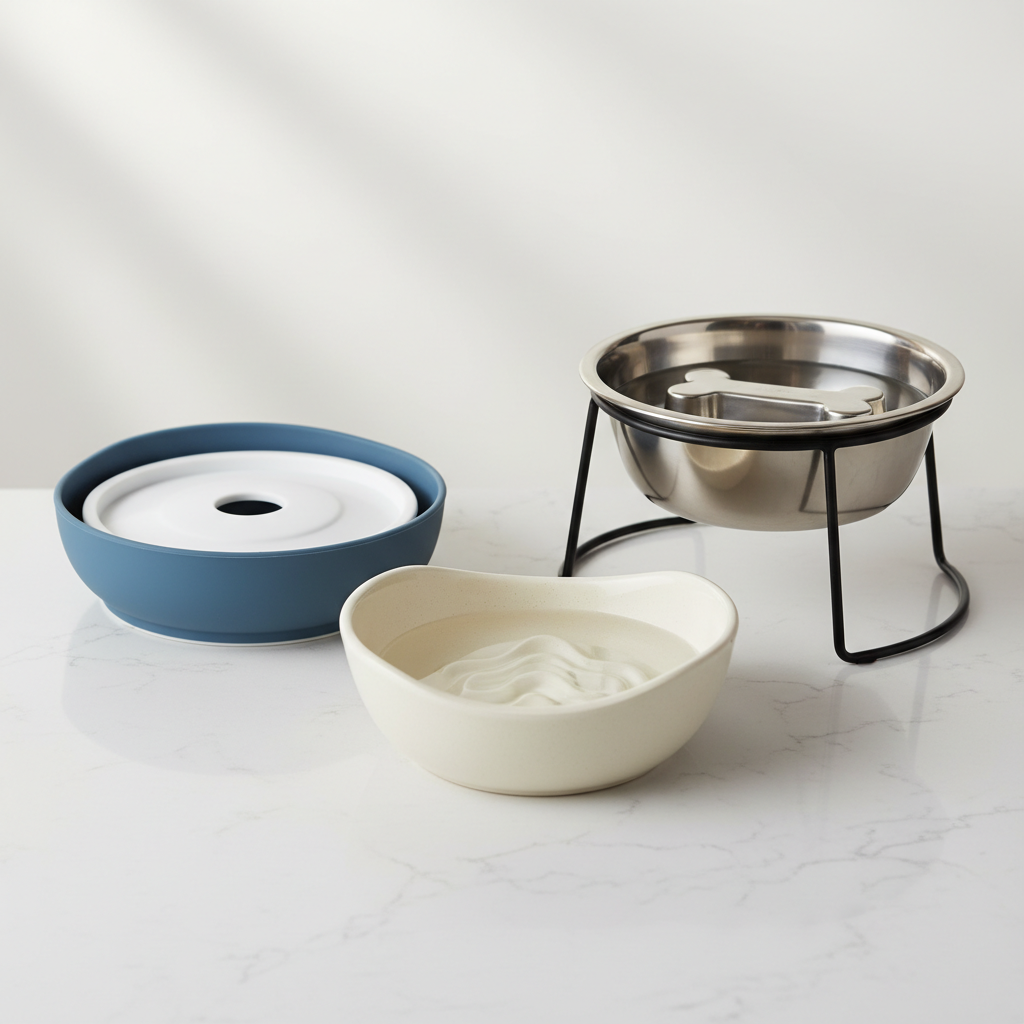
Here’s a practical breakdown you can use when shopping.
| Design | How it slows drinking | Often works well for | Watch-outs for seniors |
|---|---|---|---|
| Floating disk / “anti-gulp” bowl | Limits surface access to a small opening | Dogs who chug and cough, messy drinkers | Some dogs dislike the moving part; clean daily to avoid slime buildup |
| No-spill, wide-lip bowl | Reduces splashing and encourages smaller laps | Dogs who splash, long ears, shaky drinkers | May not slow true “chuggers” enough |
| Raised water bowl (with slow-drink insert) | Changes posture + restricts gulping | Arthritis, neck stiffness, taller dogs | Height matters; too high can feel awkward, ask your vet if your dog has known swallowing issues |
| Slow-feeder style water insert | Adds obstacles the tongue must work around | Mild gulping, enrichment-minded dogs | Can frustrate seniors with vision or coordination decline |
For many older dogs, the sweet spot is “slower but effortless,” which is why floating-disk bowls and wide no-spill bowls tend to be better received than maze-like inserts.
How to choose the right bowl: what actually matters
When a senior struggles, small details make a big difference. Capacity and “cute design” matter less than stability, height, and how the rim meets the muzzle.
- Stability: Look for a weighted base or non-slip ring. If the bowl skates around, seniors often rush.
- Wide opening: A wider diameter reduces awkward neck angles, especially for dogs with stiffness.
- Material: Stainless steel is easy to sanitize. Some dogs prefer ceramic weight. Plastic can scratch and hold odors over time.
- Easy cleaning: Complex parts become biofilm traps if not cleaned often. A simpler bowl you wash daily beats a fancy bowl you avoid cleaning.
- Appropriate “slow” level: If your dog walks away after two licks, the bowl might be too restrictive.
If you’re aiming for a senior dog water bowl slow drink setup, prioritize calm access. You’re not trying to “train out” thirst, you’re trying to make drinking smoother.
Setup matters: make slow drinking easier in real life
Even a great bowl can fail if placement and routine push your dog to hurry. A few tweaks often deliver more improvement than swapping products repeatedly.
Step-by-step setup
- Choose a quiet spot: Away from the food bowl if your dog gets excited, and away from high-traffic areas.
- Use a mat: A rubber mat adds traction and reduces the “sliding bowl panic.”
- Dial in water level: Some anti-gulp bowls work best at a certain fill line. Too full can defeat the point, too low can frustrate.
- Offer more stations: One bowl in the main area plus one near the sleeping spot reduces urgency.
- Room-temp water: Many seniors drink more steadily when water isn’t ice-cold.
If coughing after drinking is a recurring problem, it’s reasonable to bring a short video to your vet. According to the American Animal Hospital Association (AAHA), sharing clear observations and videos can help your veterinarian assess symptoms more accurately.
Practical “slow drink” routines for different scenarios
This is where most people get stuck, they buy a bowl, see mixed results, and quit. Match the approach to the situation your dog is actually in.
If your dog chugs after walks
- Offer a small amount first, wait a few minutes, then offer more
- Use a slow-drink bowl indoors, where excitement is lower
- Avoid letting your dog “tank up” all at once right after intense panting
If your dog coughs after a few big swallows
- Try a floating-disk bowl or a wide no-spill bowl before maze inserts
- Consider a slightly raised setup if arthritis makes posture awkward
- Track frequency and triggers for a week, then decide if you need a vet check
If your dog makes a mess but doesn’t truly gulp
- Prioritize a wide-lip, no-spill style over restrictive slow devices
- Trim long facial hair that wicks water and drips across the floor
- Use a larger mat and keep towels nearby, less stress for both of you
A senior dog water bowl slow drink product should feel like a comfort upgrade, not a puzzle your dog has to “solve” to stay hydrated.
Common mistakes and safety notes (anti-choke is not a guarantee)
“Anti-choke” marketing can sound more certain than reality. A slow-drink bowl may reduce gulping, but choking risks can still exist, especially if there’s an underlying medical issue.
- Too restrictive bowls: Seniors may drink less, then compensate by chugging later.
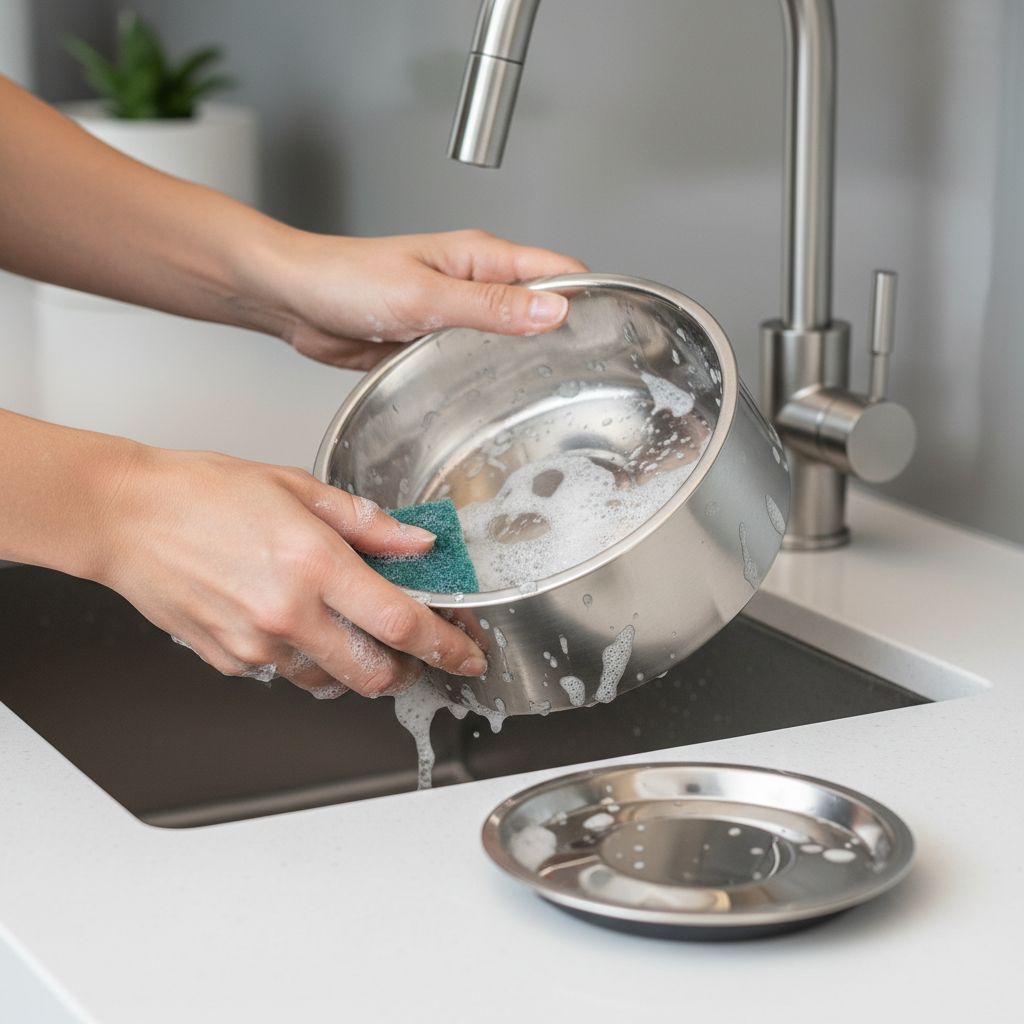
- Ignoring cleaning: Slow-drink parts can collect film quickly. Wash daily, and deep-clean seams and disks regularly.
- Wrong height on raised bowls: Comfort matters more than trends. If your dog looks tense, lower it.
- Assuming coughing is “normal”: Occasional cough happens, repeated coughing deserves attention.
- One-bowl household pressure: Multi-dog homes can create competition. Add stations to reduce speed.
If your dog has known aspiration risk, megaesophagus, or other swallowing disorders, ask your veterinarian before changing feeding or watering equipment. According to the Merck Veterinary Manual, aspiration and swallowing issues can be complex, and management often depends on the individual case.
Key takeaways and a simple next step
The best results usually come from pairing the right bowl style with calmer access and better placement. If you want a low-drama starting point, try a floating-disk anti-gulp bowl or a wide no-spill bowl, then adjust height and location before you assume it “doesn’t work.”
Pick one change you can stick with for a week, take notes on coughing and mess, and if anything feels like it’s trending worse, loop your vet in. A senior dog water bowl slow drink setup should make hydration easier, not add stress.
FAQ
What is the best senior dog water bowl slow drink style for coughing after drinking?
Often, a floating-disk anti-gulp bowl is a good first try because it limits big mouthfuls without forcing complex tongue work. If coughing persists, it’s worth checking with a vet since coughing can have multiple causes.
Can a slow water bowl prevent choking in older dogs?
It may lower the chance of gulp-related gagging, but it can’t guarantee prevention. If your dog has frequent coughing, gagging, or breathing changes, treat the bowl as support, not a substitute for medical advice.
Do raised water bowls help senior dogs drink more safely?
They can, especially for arthritis or neck stiffness, because posture feels easier. But height is individual, and for dogs with certain swallowing disorders you should ask a veterinarian before switching.
How do I know if the bowl is slowing drinking too much?
If your dog walks away quickly, drinks less overall, or seems frustrated and keeps pawing at the bowl, it may be too restrictive. In that case, switch to a less “slow” design and focus on a calmer setup.
Why does my senior dog drink fast only at night?
Many dogs build up thirst during sleep, and nighttime can be quieter so they drink in one go. Consider adding a second station closer to where they sleep and using a slow-drink bowl there.
How often should I clean a slow-drink dog water bowl?
Daily washing is a solid baseline, especially for bowls with disks or inserts. If you notice slime or odor sooner, clean more often, seniors can be more sensitive to stale water.
My dog still gulps with a slow bowl, what else can I try?
Try offering smaller amounts more frequently, add another water station, and reduce competition in multi-dog homes. If gulping is paired with increased thirst or repeated coughing, check in with your vet.
If you’re trying to reduce gulping without turning hydration into a struggle, start with one senior-friendly slow-drink bowl style, set it up in a calmer spot, and watch the pattern for a week, it’s the quickest way to learn what your dog actually needs.