
turtle dock ramp non slip climb problems usually show up the same way: your turtle tries to get onto the dock, slides backward, and either gives up or keeps “scrabbling” until it’s exhausted.
If you’re seeing that, it’s not just annoying to watch, it can also turn basking into a stressful event, and turtles often bask less when getting up there feels risky. That can affect drying time and overall comfort, especially in setups where the dock is the only reliable basking spot.
The good news is you rarely need to replace your entire basking area. Most cases come down to ramp traction, angle, and where the dock sits relative to water level. Fix those three, and climbing gets noticeably easier for many turtles.
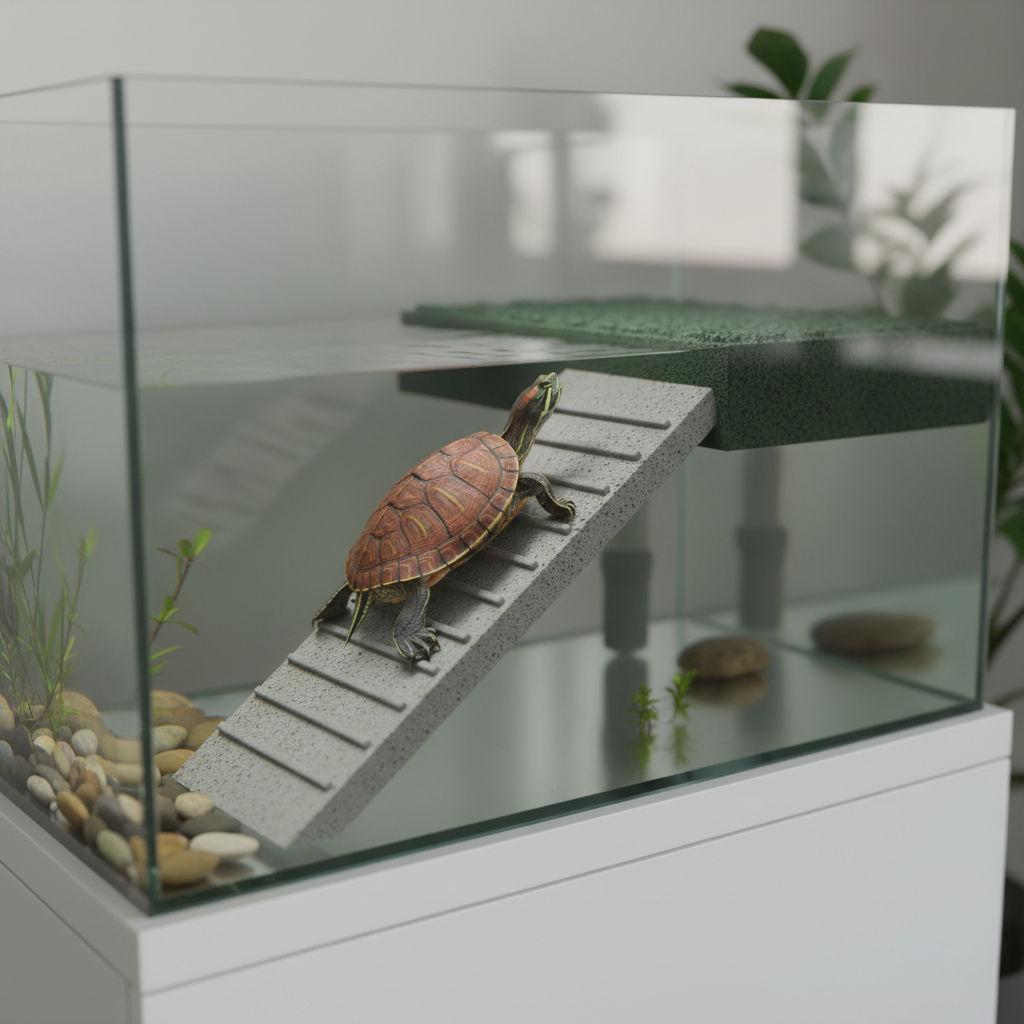
Why turtles slip on dock ramps (it’s usually not “weak legs”)
People often assume a turtle slipping means it’s too small, too old, or “not strong enough.” Sometimes health plays a role, but in day-to-day setups the ramp itself causes the struggle.
- Surface is too smooth when wet, many plastics feel grippy dry, then turn slick under a biofilm layer.
- Ramp angle is too steep, even strong swimmers can’t get traction if most body weight sits on the back feet.
- Waterline mismatch, if the ramp starts too high above the surface, the first “step” becomes a jump and the turtle slides off.
- Dock shifts or wobbles, small movement can break traction, especially for shy turtles.
- Algae and mineral buildup, hard water deposits and algae create a slippery glaze that builds up gradually.
According to the American Veterinary Medical Association (AVMA), safe housing and proper environmental conditions matter for reptile well-being, and traction is part of that “environment” in a practical sense.
A quick self-check: is your ramp truly “non-slip” and “easy climb”?
Before you buy anything, do a fast reality check on your current setup. You’ll usually spot the bottleneck in two minutes.
- Finger test: rub a wet finger up the ramp, if it glides easily, your turtle will slip too.
- Angle check: if the ramp looks closer to a slide than a gentle incline, it’s probably steep.
- Entry check: the ramp should begin at or slightly below the water surface so the turtle can “walk onto it.”
- Stability check: push the dock gently, if it rocks a lot, climbing becomes a balancing act.
- Behavior check: repeated attempts with backward sliding usually points to traction, not motivation.
If you only fix one thing, fix the first-contact area where the ramp meets the water. That’s where most turtles lose their grip and quit.
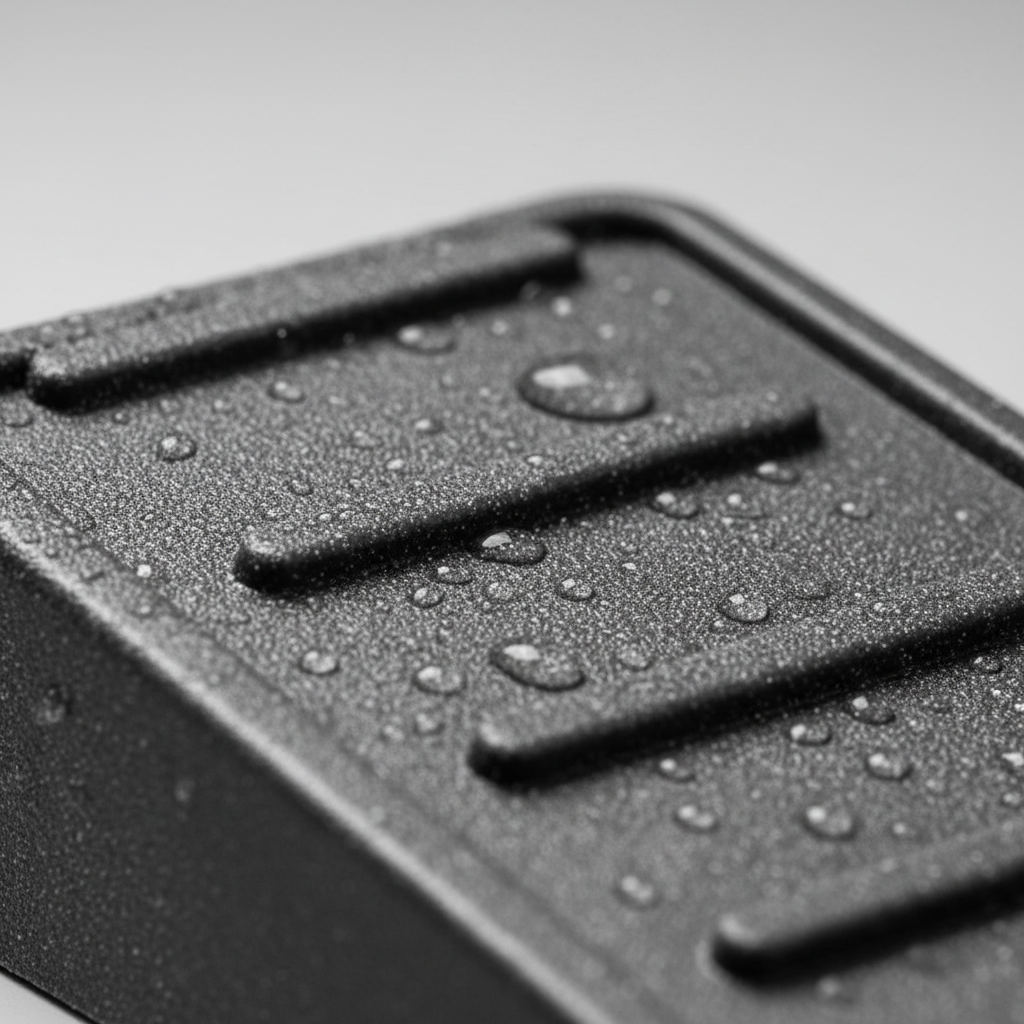
What “non-slip” should mean for a turtle dock ramp
In product listings, “non-slip” can mean anything from a faint pattern to a genuinely grippy surface. For turtles, you want grip that still feels comfortable on claws and plastron.
Textures that tend to work well
- Deep crosshatch or ribbing that creates mechanical “steps,” not just visual pattern.
- Moderate grit strips designed for wet environments, ideally replaceable.
- Raised slats that act like ladder rungs, useful when the ramp is slightly steeper.
Textures that often disappoint
- Shallow molded dots that vanish under algae.
- Glossy plastic with a “matte look” but no bite.
- Very abrasive sandpaper sheets that can irritate skin if poorly placed or fraying.
A solid turtle dock ramp non slip climb setup balances traction and comfort, and it stays consistent after a few weeks of real tank life, not just on day one.
Size and angle: the part most people underestimate
Even with great texture, a steep angle turns climbing into a strength test. In many home aquariums, the dock sits high because we want a dry basking platform, but the ramp pays the price.
Here’s a practical way to think about it: if your turtle’s body looks like it’s “hanging” with only the front claws holding on, the angle is likely too aggressive. A gentler incline lets the turtle distribute weight and use all four limbs.
| Ramp factor | What you’ll see | What to adjust |
|---|---|---|
| Too steep | Back feet slip, repeated scrabbling | Lower dock, extend ramp, add “rungs” |
| Too short | Can’t gain momentum, slips mid-way | Use longer ramp or add an extension |
| Ramp start too high | Turtle bumps edge, falls backward | Bring ramp edge to waterline |
| Dock unstable | Quits after a wobble | Add suction supports or anchor points |
Many owners get the turtle dock ramp non slip climb part right on paper, then lose it in the last inch where the ramp floats up and down. That inch matters.
Practical fixes you can do today (without buying a new dock)
If your turtle is already avoiding the platform, quick improvements can help immediately. Keep changes simple and test one at a time so you know what actually worked.
Step-by-step traction upgrade
- Clean the ramp with warm water and a brush to remove biofilm and algae, rinse well. Avoid harsh cleaners that could leave residue.
- Add grip strips made for wet use, place them as “lanes” up the ramp with small gaps so water can drain.
- Create rungs using aquarium-safe options (for example, plastic craft mesh secured firmly) so claws catch naturally.
- Fix the entry point so the bottom edge meets the water surface, not above it.
Angle and stability tweaks
- Lower the dock slightly if you have room under the heat lamp, a small height change can make the ramp feel twice as easy.
- Anchor the platform so it doesn’t shift when the turtle loads weight on one side.
- Check water level daily if evaporation changes the climb, top-offs help keep the “first step” consistent.
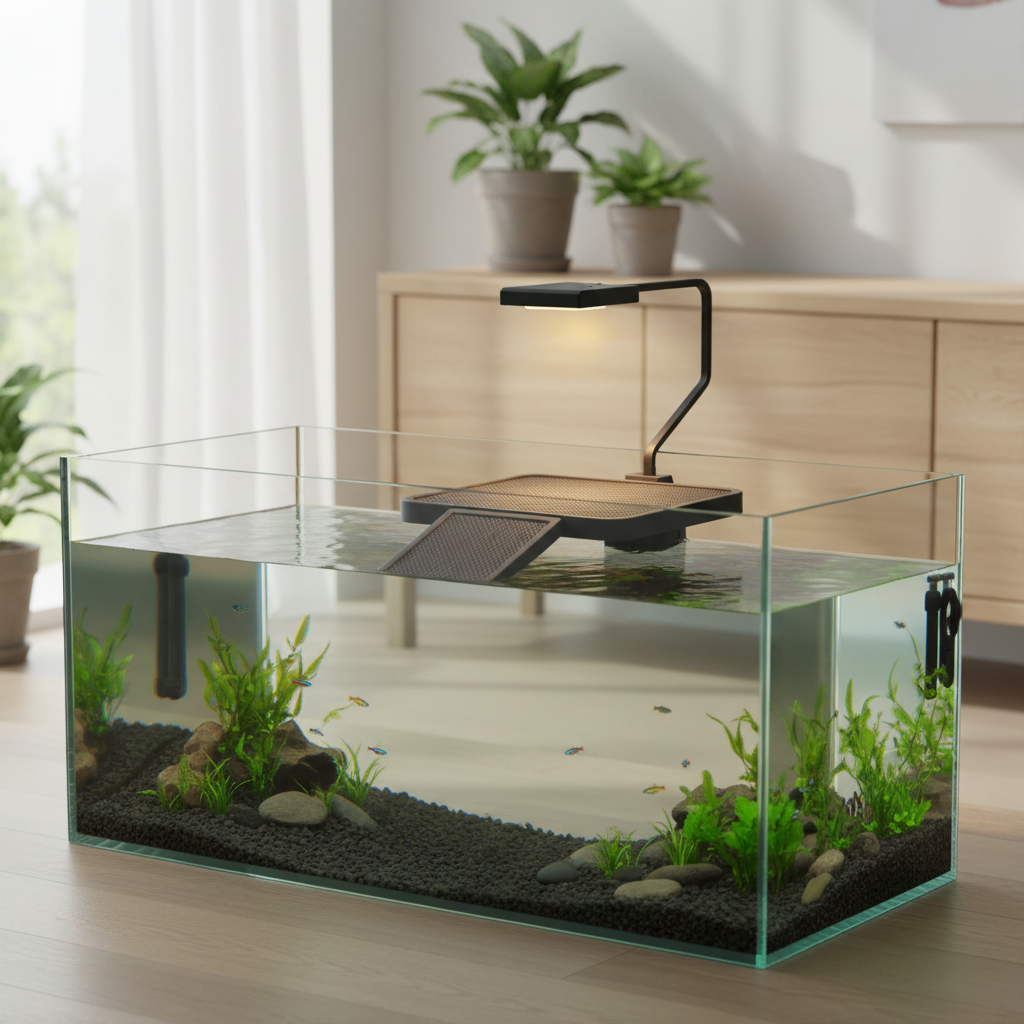
Common mistakes that keep the ramp slippery
Some “fixes” look reasonable but backfire after a week. If you’ve tried upgrades and nothing changed, one of these is often the reason.
- Adding grip where the turtle never touches, traction needs to start at the waterline, not only near the top.
- Using adhesives that fail underwater, peeling strips create sharp edges and new hazards.
- Making the surface too abrasive, turtles may still climb, but skin irritation is a real possibility in some setups.
- Ignoring maintenance, even a great turtle dock ramp non slip climb surface can turn slick when biofilm builds up.
- Chasing “higher basking” at the cost of a steep approach, dry is good, but reachable is better.
Also, don’t overlook lighting and heat placement. A turtle might avoid the dock if the basking area runs too hot or feels exposed, even if the ramp is perfect. According to the ASPCA, reptiles have specific environmental needs, and small husbandry mismatches can change behavior.
When slipping might be a health or mobility issue
If the ramp surface is truly grippy, the slope is gentle, and your turtle still can’t get purchase, it may be time to think beyond equipment. Mobility challenges can show up as weak pushes, unusual limb positions, or reluctance to move on land.
- Check nails and shell condition, overgrown nails or shell issues can change how the turtle grips.
- Watch for asymmetry, one-sided weakness, persistent floating, or trouble diving can suggest a bigger problem.
- Consider age and body condition, heavier turtles may need a wider ramp and a longer climb path.
This is where caution matters: if you suspect injury, infection, or chronic weakness, it’s smart to consult a qualified reptile veterinarian. Many issues are manageable, but guessing can delay proper care.
Conclusion: a safer climb usually comes from small, specific changes
If your turtle keeps sliding, focus on the simple trio: traction that stays grippy when wet, a gentle ramp angle, and a waterline entry that feels effortless. Most tanks don’t need a total redesign, they need one or two targeted adjustments and a bit of maintenance.
Two action steps that tend to pay off fast: clean the ramp and re-check the bottom edge at the water surface, then add a rung-style grip if the slope can’t be reduced. That combination usually improves confidence and makes basking more consistent.
FAQ
Why does my turtle slide off the ramp even though it says non-slip?
“Non-slip” often means textured plastic, but biofilm, algae, or hard-water buildup can make it slick quickly. If a wet finger slides easily, the turtle will likely slip too, cleaning and adding real grip strips often helps.
What angle is best for an easy-climb turtle dock ramp?
There isn’t one perfect number because turtle size and dock height vary, but gentler is usually better. If your turtle’s back feet can’t stay engaged, lowering the dock or extending the ramp tends to improve climbing more than adding texture alone.
Should the bottom of the ramp be above or below the waterline?
In many setups, at or slightly below the waterline works well because the turtle can transition from swimming to walking. When the ramp starts too high, the first move becomes a jump, and that’s where slipping begins.
How do I make a turtle dock ramp less slippery without replacing it?
Start by removing algae and biofilm, then add wet-rated traction strips or a plastic mesh “ladder” surface anchored securely. Make sure the added material won’t peel or create sharp edges.
Can sandpaper be used to add traction on a turtle ramp?
Some keepers use abrasive materials, but it can be rough on skin if it frays or if the grit is too aggressive. If you try it, choose moderate texture, secure it well, and monitor for irritation, when in doubt, ask a reptile vet.
Why does my turtle refuse to bask even after I fixed the ramp?
Sometimes the ramp was only part of the issue. Basking avoidance can also relate to water temperature, basking temperature, light placement, or feeling exposed, adjusting cover and confirming basic husbandry often makes a difference.
How often should I clean a non-slip ramp?
It depends on algae growth and water quality, but many tanks need at least light scrubbing on a regular schedule. If the ramp feels slick or you see a visible film, it’s time.
When should I see a vet about climbing problems?
If your turtle struggles on a properly sized, stable, grippy ramp, or you notice limping, swelling, unusual buoyancy, or persistent weakness, a reptile veterinarian can help rule out injury or illness.
If you’re trying to dial in a turtle dock ramp non slip climb setup and want a more “set it and forget it” approach, consider choosing a ramp with deep molded traction plus a stable mounting method, then build a simple cleaning routine around it so performance stays consistent.