
cat flea comb double row teeth can be a surprisingly effective way to catch fleas and flea dirt fast, especially when you want proof of what’s going on before you start bigger treatments.
If you’ve ever combed your cat, found nothing, then noticed scratching again two days later, you’re not alone. Fleas hide well, and a comb is only as good as the technique and the follow-up around your home.
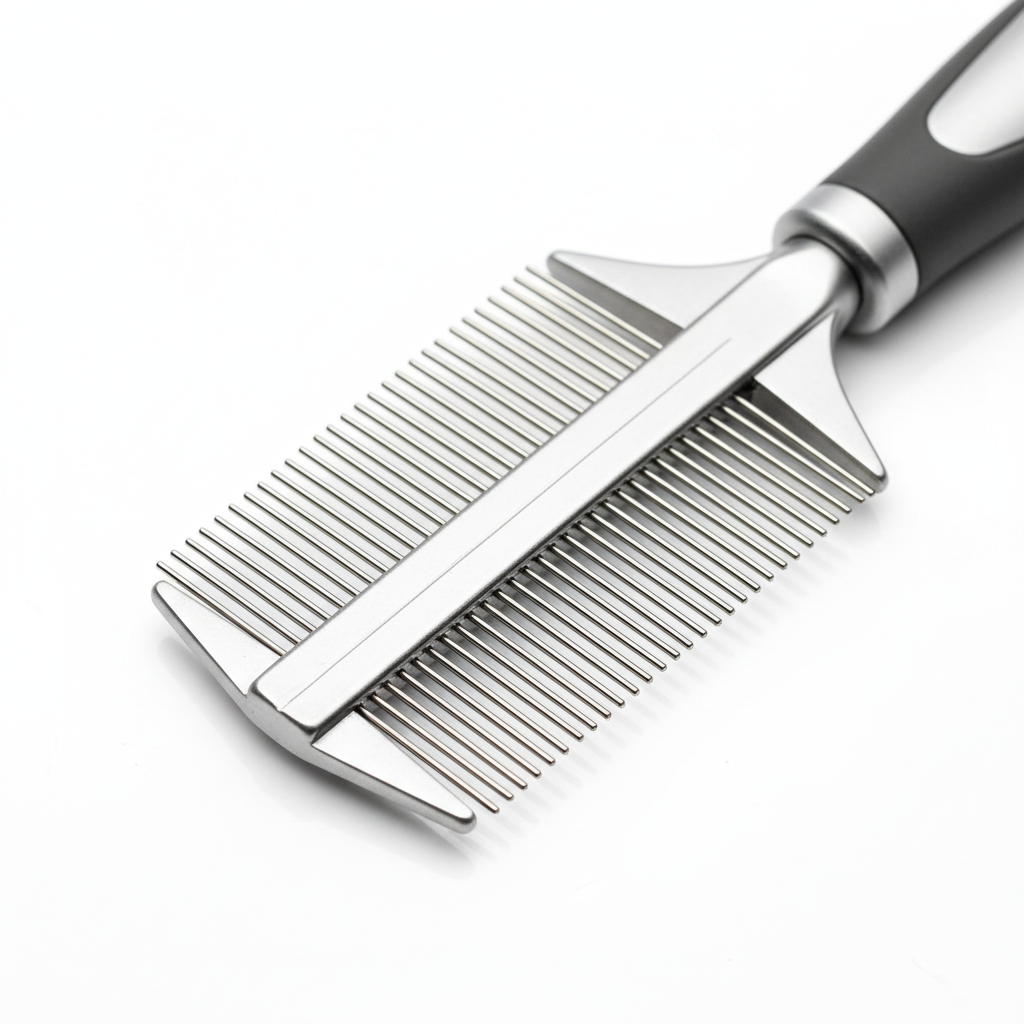
This guide breaks down why double-row teeth matter, what “effective” really looks like, how to use the comb without irritating skin, and when it’s time to call your vet for a broader plan.
Why double-row teeth can work better (and when it won’t)
A double-row comb typically uses two staggered lines of fine teeth, which increases contact with the coat and reduces the chance that fleas slip through gaps. In practice, that usually means more consistent “captures” in fewer passes.
Where it shines most is the real-world coat problem: cats don’t have flat, uniform fur. The staggered teeth help part the hair and reach closer to the skin, where fleas tend to hang out.
- Better hair parting: Two rows can separate dense fur more reliably than one.
- More chances to snag fleas: If a flea dodges one row, it may catch on the next.
- Improved flea dirt pickup: Flea dirt often clings to oils near the skin.
But it won’t fix everything. If your cat is actively infested and your home has eggs and larvae in carpets, the comb is a great diagnostic and support tool, not always the whole solution.
Quick reality check: what “effective” looks like
People expect a flea comb to instantly stop itching. That’s not always realistic. “Effective” usually means you can confirm fleas or flea dirt, reduce the number of adult fleas on the cat, and monitor whether other treatments are working.
Here’s what you can look for, without overthinking it:
- Adult fleas: Small, fast, dark brown insects you may see moving in the comb.
- Flea dirt: Black specks that turn reddish-brown when you wet them on a paper towel.
- Hot zones: More debris around the neck, base of tail, lower back, and belly in many cats.
If you comb thoroughly and truly find nothing multiple sessions in a week, itching may come from allergies, dry skin, mites, or another issue worth discussing with a professional.
How to tell if your comb is the right fit (mini checklist)
Not all “double-row” tools are the same, and a mismatch can make the comb feel useless. Use this quick check before you blame your technique.
- Tooth spacing: Teeth should be very close together; wide spacing tends to miss fleas and flea dirt.
- Tooth length: Medium to longer teeth help on fluffy coats; short teeth can struggle with thick fur.
- Tip feel: Rounded tips reduce scratching and make cats more cooperative.
- Handle control: A grip that doesn’t twist matters more than most people think.
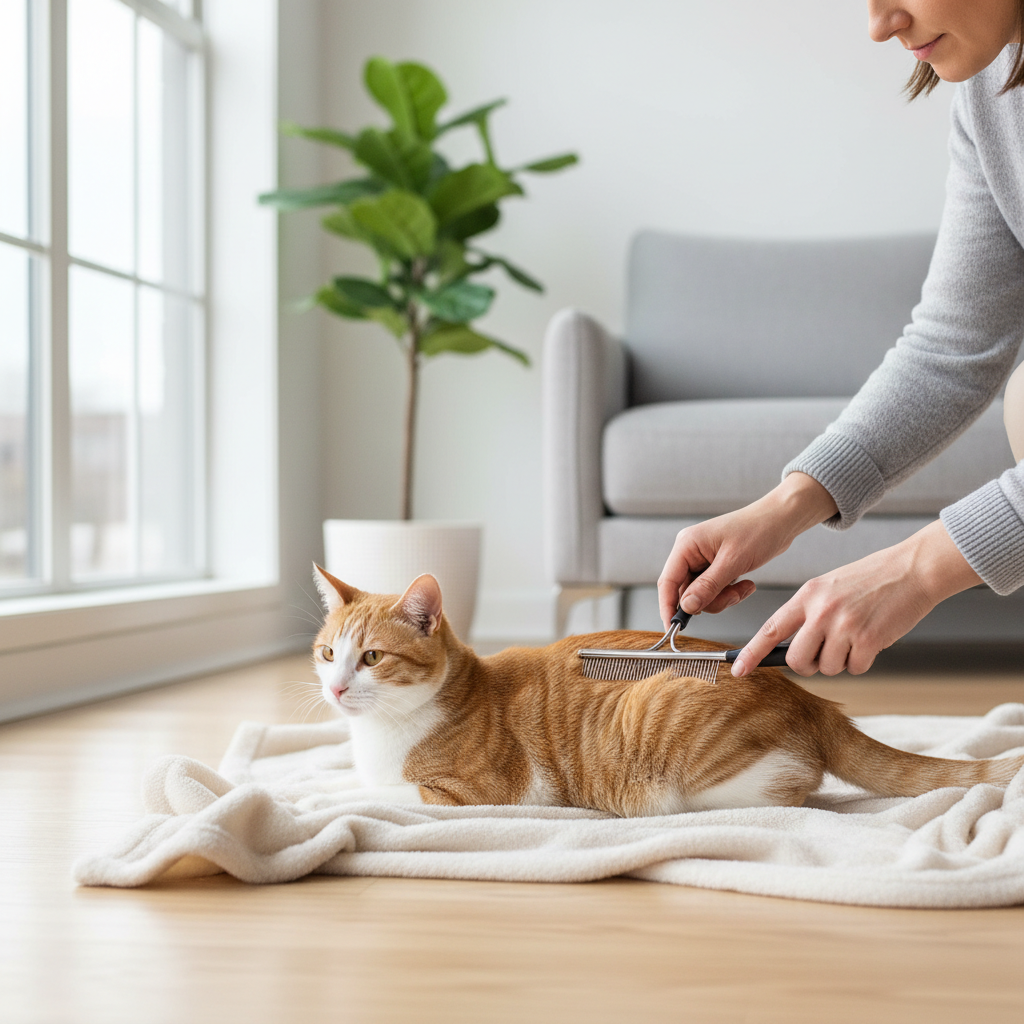
One more practical clue: if the comb “skates” on top of the coat and never reaches the undercoat, you’ll likely need smaller sections of hair and a slower pace, or a different tooth length.
Step-by-step: how to use a double-row flea comb without making your cat hate it
cat flea comb double row teeth works best when you treat it like careful grooming, not raking. Your goal is consistent, light pressure close to the skin, while keeping sessions short enough that your cat doesn’t panic.
1) Prep your setup (two minutes that save a lot of mess)
- Sit in bright light, and keep a white paper towel nearby.
- Have a small bowl of warm water with a drop of dish soap (to trap any fleas you catch).
- Pick a spot your cat already tolerates: counter with a towel, or your lap.
2) Comb in a pattern that finds fleas faster
- Start at the neck and behind the ears, then move along the back.
- Spend extra time at the base of the tail; many owners find the most flea dirt there.
- Use short strokes, lifting the comb out after each pass to check it.
3) What to do after each pass
- If you see a flea, dip the comb into the soapy water and wipe it clean.
- If you see black specks, press them onto a damp paper towel to check for the reddish-brown “smear.”
For most cats, 5–10 minutes is plenty. You can do another short session later rather than turning it into a wrestling match.
Comb vs. other options: what it can and can’t replace
A flea comb is mechanical control. It removes what it physically catches. It does not kill eggs in the carpet, and it does not provide lasting protection by itself.
According to the CDC, effective flea control usually requires treating pets and the environment, because different life stages can be present at the same time.
| Approach | What it does well | Common limitation |
|---|---|---|
| Double-row flea comb | Confirms fleas/flea dirt, reduces adult fleas on the cat, supports monitoring | Doesn’t prevent reinfestation if home environment isn’t addressed |
| Topical/oral flea prevention (vet-guided) | Kills fleas over time, helps break the cycle | Product choice depends on cat age/health; misuse can be risky |
| Bathing (cat-safe methods) | Can reduce fleas quickly on some cats | Many cats won’t tolerate it; doesn’t solve home infestation alone |
| Home cleaning (vacuum/wash) | Reduces eggs/larvae in fabrics and floors | Needs repetition; missed areas can keep the problem going |
If you’re aiming for “effective,” the comb is often best as part of a small system: combing plus prevention plus cleaning.
Practical home plan: what to do the same week you start combing
Many people get stuck because they focus only on the cat. Fleas don’t. A basic plan can still be pretty manageable.
- Vacuum high-traffic areas and pet lounging spots, then empty the canister or seal the bag.
- Wash bedding (pet and human) in hot water if fabric allows, then dry on high heat.
- Comb in short sessions every 1–3 days for two weeks, then reassess.
- Talk to your vet about a cat-safe preventive if you’re seeing fleas or flea dirt more than once.

If you have multiple pets, treat the situation like a group project. Even if only one pet shows symptoms, the others may carry fleas without obvious itching.
Common mistakes that make a good flea comb feel useless
- Combing too fast: Fleas move quickly; slow, deliberate passes catch more.
- Only combing the back: Don’t skip the neck, belly, and base of tail.
- Pressing hard: This irritates skin and makes your cat avoid future sessions.
- Not cleaning the comb: Debris builds up and blocks the teeth from reaching the coat.
- Ignoring the environment: You can “win” on the cat and still lose in the carpet.
Also worth saying out loud: if your cat is very fluffy, a double-row design can still struggle unless you work in small sections, almost like parting hair with a fine-tooth human comb.
When it’s time to get professional help
Combing is low-risk, but flea problems can overlap with other health issues, and cats can react strongly to bites. Consider reaching out to a veterinarian if any of these show up.
- Skin looks inflamed, scabby, or has hair loss, even if you don’t see fleas.
- Your cat seems lethargic, stops eating, or acts painful when touched.
- Kittens or senior cats have suspected fleas, because they can be more vulnerable.
- You used a dog flea product by mistake or you’re unsure what was applied; some ingredients can be toxic to cats.
According to the FDA, some flea and tick products can cause adverse reactions, and product selection should match the species and weight range. If you’re unsure, a vet can help you avoid trial-and-error.
Key takeaways (so you know what to do next)
- Double-row teeth often catch more because they part fur better and increase contact with the coat.
- Effectiveness means confirming fleas or flea dirt and reducing adult fleas, not necessarily instant itch relief.
- Technique matters: short, slow strokes in hotspot areas beat long, fast passes.
- Pair combing with a home plan to reduce reinfestation, especially in fabrics and carpet.
Conclusion: a comb is simple, but the plan makes it effective
cat flea comb double row teeth is one of the quickest ways to get clarity and immediate control, and it’s hard to beat for day-to-day monitoring. If you combine careful combing with basic cleaning and the right preventive support, most households see the situation become much more manageable.
Pick two actions for this week: comb every couple of days for short sessions, and clean the main pet lounging areas. If you’re still finding fleas after that, it’s a good moment to bring your vet into the loop.
FAQ
How often should I use a double-row flea comb on my cat?
For an active issue, many people do short sessions every 1–3 days for about two weeks, then taper. If your cat gets stressed, shorter and more frequent usually beats one long session.
Why do I only find flea dirt and not actual fleas?
That’s common. Fleas can jump away before you catch them, while flea dirt stays in the coat. Finding flea dirt still suggests exposure, so it’s worth pairing combing with environmental cleanup and prevention advice.
Is a double-row flea comb better for long-haired cats?
Often, yes, but it depends on tooth length and how dense the coat is. Long-haired cats may still require combing in smaller sections so the teeth can reach closer to the skin.
Can I rely on a flea comb instead of flea medication?
In mild situations, combing can reduce adult fleas, but it usually won’t break the full life cycle in the home. If fleas keep returning, talk with a vet about cat-safe preventives that match your cat’s age and health.
My cat scratches but I never find anything—what else could it be?
It could be allergies, dry skin, mites, or even stress grooming. If itching persists or you see red patches or hair loss, getting a professional exam is the safer next step.
What’s the safest way to kill fleas I catch in the comb?
Dropping them into warm water with a little dish soap is a common, practical approach because it traps them. Avoid crushing near your cat’s fur, since fleas can slip away.
Do I need to clean the house even if my cat is indoor-only?
Usually, yes if you’ve confirmed fleas or flea dirt. Indoor cats can still pick fleas up from other pets, visitors, or entry points, and eggs can end up in bedding and carpet.
If you want a simpler setup
If you’re trying to make cat flea comb double row teeth part of a repeatable routine, it may help to keep a small “flea comb kit” together: the comb, paper towels, a soapy water cup, and a reminder note of hotspot areas. It’s not fancy, but it makes follow-through much more likely on busy weeks.