
bird food seed mix fresh sounds simple, but in real backyards it’s where most feeding problems start: dusty bags, oily smells, picky birds, and leftover seed that molds after rain.
If you want more birds at your feeder and fewer headaches, freshness and nutrition matter more than “fancy ingredients.” The mix can be great on paper, yet if it’s old or stored poorly, birds may ignore it or it can attract pests.
This guide breaks down what “fresh” actually means for seed, how vitamins show up in bird diets without overdoing it, and what to change in your routine if birds stop coming.
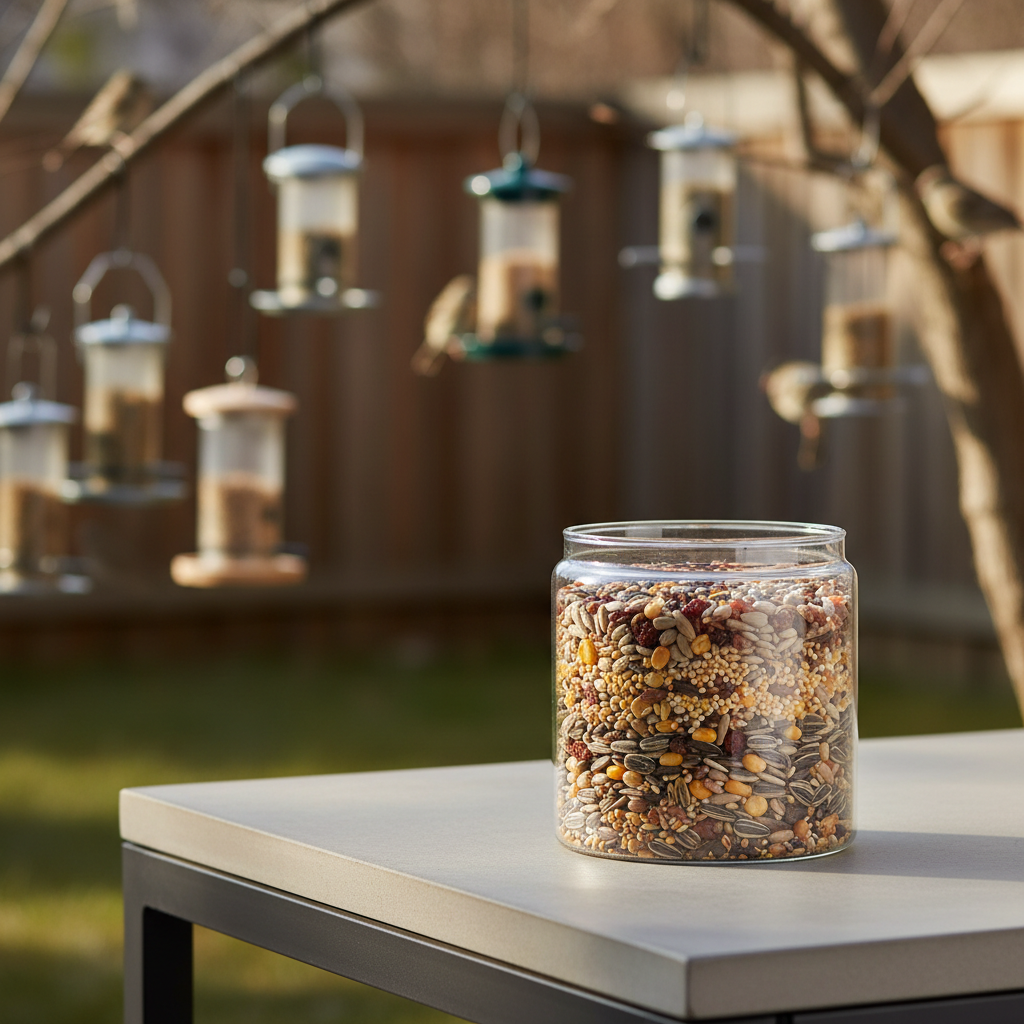
What “fresh” seed mix really means (and why birds care)
Freshness isn’t a marketing word here, it’s mostly about oil stability and moisture control. Seeds like sunflower and peanuts contain oils that turn rancid over time, especially in heat.
- Fresh smell: mild, nutty, “grain-like.”
- Stale/rancid smell: sharp, paint-like, bitter, or greasy.
- Texture: seed should feel dry and free-flowing, not clumpy.
Birds often “vote with their beaks.” If your feeder stays full for days, it can be that the mix isn’t suited to local species, but many times it’s simply not fresh anymore.
Why “vitamin” claims can be confusing in seed mixes
Birds get nutrients from a mix of seeds, insects, fruits, and natural forage. A seed blend labeled “with vitamins” may include fortified pellets, dried fruit, or added supplements, but it doesn’t automatically mean it’s better for every feeder setup.
Two practical points help:
- Seed is energy-first. Many mixes are mainly calories and fats, which is useful in cold weather, migration, or for high-activity species.
- Vitamins are easy to degrade. Heat, light, and time can reduce potency, so freshness still matters even if the label looks impressive.
According to the Cornell Lab of Ornithology, offering clean food and fresh water and keeping feeders hygienic is central to safer feeding, especially when birds gather in groups.
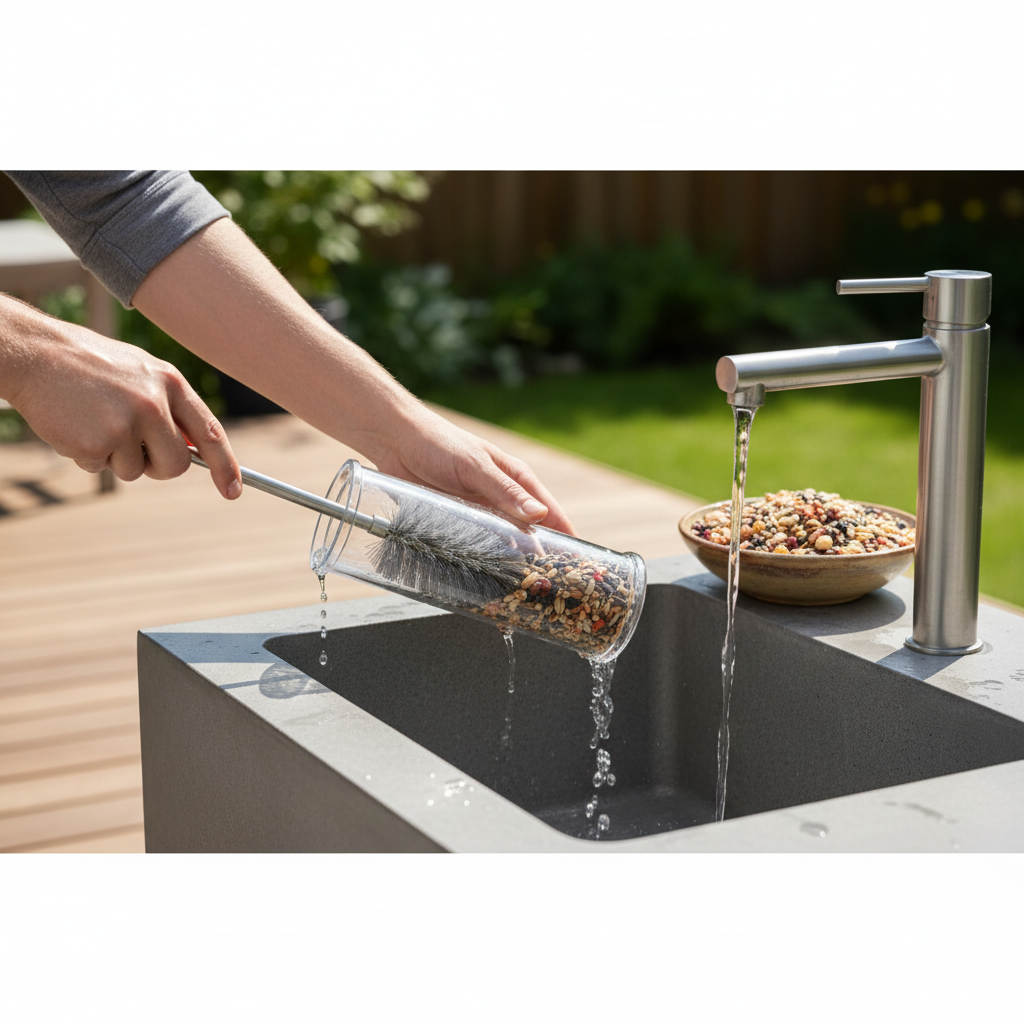
Common reasons seed goes stale (and how to spot it fast)
Most staleness is storage-related, not “bad manufacturing.” The bag can be fine at purchase and still degrade quickly once it sits in a hot garage.
Most common freshness killers
- Heat: garages, sheds, or enclosed porches in summer speed up rancidity.
- Humidity: moisture leads to clumping, mold risk, and insect activity.
- Sunlight: clear bins near windows can warm and oxidize oils.
- Long feeder dwell time: seed sitting outside for weeks absorbs moisture and grime.
Quick “10-second” check before you refill
- Open the container and smell first, if the odor feels “off,” don’t talk yourself into it.
- Look for webbing, fine dust, or tiny moving specks (possible pantry moths or beetles).
- Check for clumps, darkened kernels, or visible fuzz, any of those means discard.
If you’re unsure, it’s usually safer to replace the seed rather than “mix it with new” and hope for the best.
Choosing the right bird food seed mix fresh for your yard
The “best” mix depends on who visits your feeder and what you’re trying to avoid, like mess under the feeder or bully birds taking over. The goal is a blend that gets eaten quickly enough to stay fresh outdoors.
Mix components that often perform well
- Black oil sunflower: broadly popular, high energy, thinner shells than striped sunflower.
- Hulled sunflower hearts/chips: less waste, helpful for patios and small yards.
- White proso millet: attracts many ground-feeders; best if you actually see those birds.
- Nyjer (thistle): favored by finches, but needs a proper feeder and dry conditions.
Ingredients to be cautious with (depending on goals)
- Cheap filler grains: some mixes overuse red milo or wheat; in many regions these sit uneaten and go stale outside.
- Oily add-ins: peanuts are great but go rancid faster, buy smaller quantities if it’s hot where you live.
- Dried fruit: can clump in humidity, better in small amounts and in covered feeders.
When shopping, prefer bags with a clear “packed on” date or fast inventory turnover. If the store’s bags feel dusty and sun-faded, that’s a quiet warning.
Storage and feeder habits that keep seed fresher longer
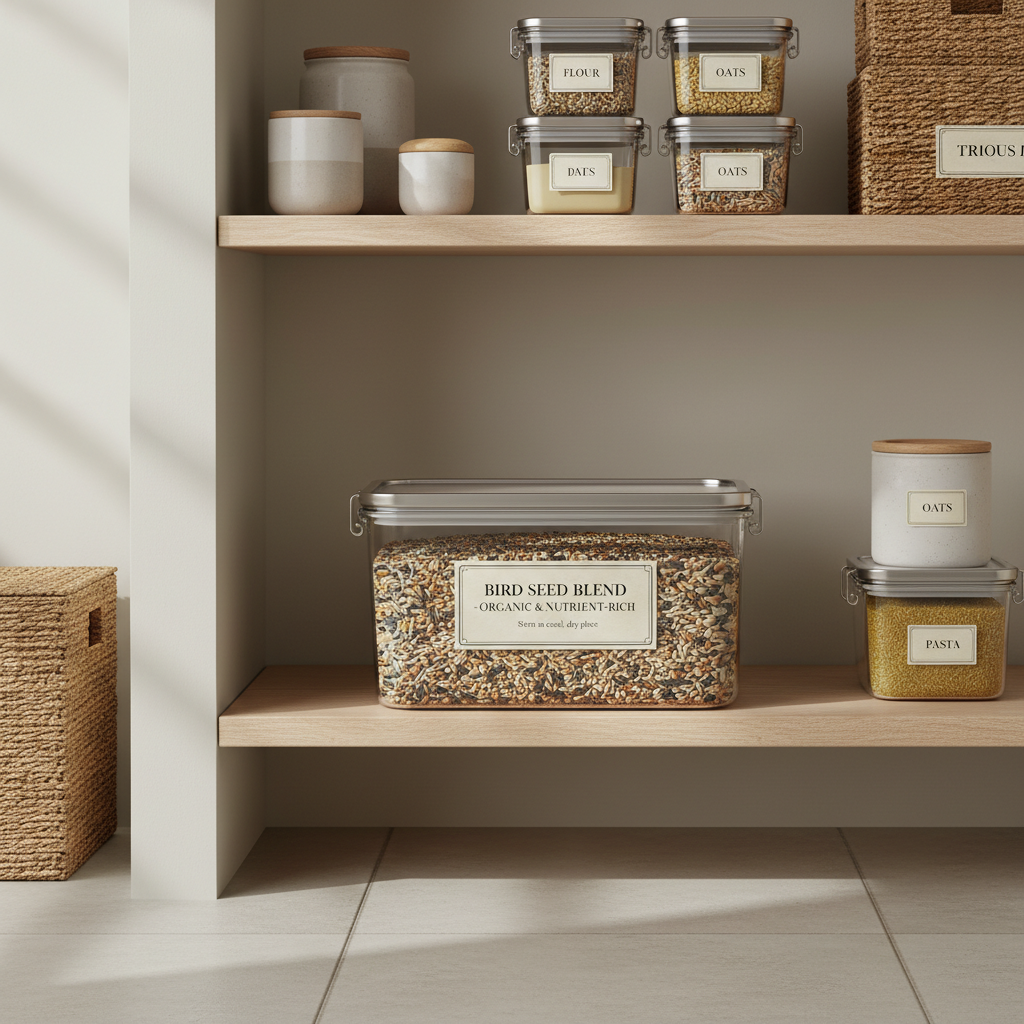
If you only change one thing, change this: store seed like you store good coffee, cool, dry, sealed, and away from light. That alone keeps a bird food seed mix fresh longer in many climates.
Home storage setup (simple and realistic)
- Use an airtight bin with a gasket lid; add the bag label inside so you remember what’s what.
- Keep it in a closet or conditioned space when possible, not a hot shed.
- Buy a size you’ll use within a reasonable window; many households do better with smaller bags more often.
Feeder routine that prevents waste
- Fill less at a time, refill more often, especially during humid weeks.
- After rain, empty and dry the feeder if seed got wet, wet seed is where problems start.
- Rotate feeding spots or use trays to reduce soggy seed piles on the ground.
Practical guide: match mixes to common backyard goals (table)
Instead of chasing “all-in-one,” pick a mix that fits what happens in your yard. This keeps seed turnover high, which helps freshness.
| Goal | What to prioritize | What to avoid | Simple feeder tip |
|---|---|---|---|
| Less mess under feeder | Hulled sunflower hearts/chips | In-shell mixes, heavy millet if uneaten | Use a tray or catchment platform |
| More songbirds (general) | Black oil sunflower as the base | Overly “mixed” bags with lots of filler | Refill small amounts every 2–3 days |
| Finch-focused | Nyjer in a finch feeder | Storing nyjer in heat or humidity | Keep nyjer quantities small, replace often |
| Woodpeckers/nuthatches | Suet + sunflower, some peanuts | Peanuts sitting too long in summer | Use a shaded spot, clean suet cages |
Safety, freshness, and “when to worry”
Most backyard feeding issues are fixable with cleaner equipment and fresher seed, but there are times to pause feeding for a bit.
- Moldy or wet seed: discard it, then wash and fully dry the feeder before refilling.
- Sick-looking birds: if you see birds acting lethargic, with crusty eyes, or struggling to perch, consider taking feeders down temporarily and cleaning thoroughly.
- Rodents: spilled seed is the magnet, switch to no-mess blends and reduce fill volume.
According to the U.S. Fish & Wildlife Service, cleaning feeders and reducing crowding can help lower disease spread risk. If you suspect a local outbreak or repeated illness, it may be wise to contact your state wildlife agency or a licensed wildlife rehabilitator for guidance.
Key takeaways you can use today
- Smell is your best tool for catching stale seed early.
- Buy what you can use, store it cool and sealed, and keep feeder quantities modest.
- “Vitamin” blends can be fine, but they don’t replace freshness, clean feeders, and clean water.
- If birds stop visiting, don’t immediately switch brands, check for rancid oils, moisture, and the wrong seed mix for your local species.
If you want a simple next step, refresh your storage setup and replace any questionable seed, then watch feeder activity for a week. In many yards that change alone brings birds back.
FAQ
How can I tell if my seed mix is still okay to use?
Smell and feel do most of the work. A sour, sharp, or greasy odor, clumping, or visible webbing usually means it’s time to toss it rather than risk attracting pests or offering poor-quality food.
Does “with vitamins” mean the mix is healthier for wild birds?
Not always. Some mixes add fortified bits that may help, but vitamins can degrade over time, and wild birds still rely on natural forage. Cleanliness and freshness tend to move the needle more.
How often should I replace seed in a feeder?
It depends on weather and how fast birds eat. In damp or hot conditions, smaller refills every few days often work better than topping off a full feeder that sits for weeks.
Is it safe to mix old seed with new seed to “use it up”?
If the old seed has any off smell, clumps, or signs of insects, mixing usually just spreads the problem. When it seems merely a bit dry and dusty, you could try a small test batch, but watch bird interest closely.
What’s the best way to store bird seed in summer?
A sealed, food-grade bin kept in a cool indoor spot is typically better than a garage. Heat is the main driver of rancidity, especially for sunflower-heavy blends.
Why do birds throw seed out of the feeder?
Sometimes they’re sorting for favorites, and sometimes they’re rejecting stale pieces. If you see a lot of waste plus low feeder traffic, check freshness and consider a simpler base mix.
Can stale seed make birds sick?
It can raise risk, especially if it’s moldy or wet. It’s hard to link cause and effect in a backyard setting, so the safer approach is to discard questionable seed and clean feeders thoroughly.
Should I stop feeding if I see sick birds?
In many situations, pausing feeding and cleaning everything can reduce crowding and exposure. If you’re unsure what you’re seeing, asking a wildlife professional or your state agency is a reasonable step.
If you’re trying to keep a bird food seed mix fresh without overthinking it, focus on two upgrades: smaller-bag buying habits and an airtight indoor storage bin. If you want an even more hands-off routine, consider no-mess blends and easy-to-clean feeder designs so freshness and hygiene stay manageable.