
Cat litter sifter scoop choices can make daily cleanup either a quick 60-second habit or the chore you keep postponing, and the difference usually comes down to slot size, shape, and how you actually scoop.
If you scoop every day, you already know the annoying parts, clumps that crumble, wet litter that sticks, or a scoop that dumps half the box back in, this guide focuses on fixing those real frustrations, not just listing features.
You’ll learn what causes slow scooping, how to match a sifting scoop to your litter type and cat’s habits, and a simple routine that keeps the box cleaner with less wasted litter.
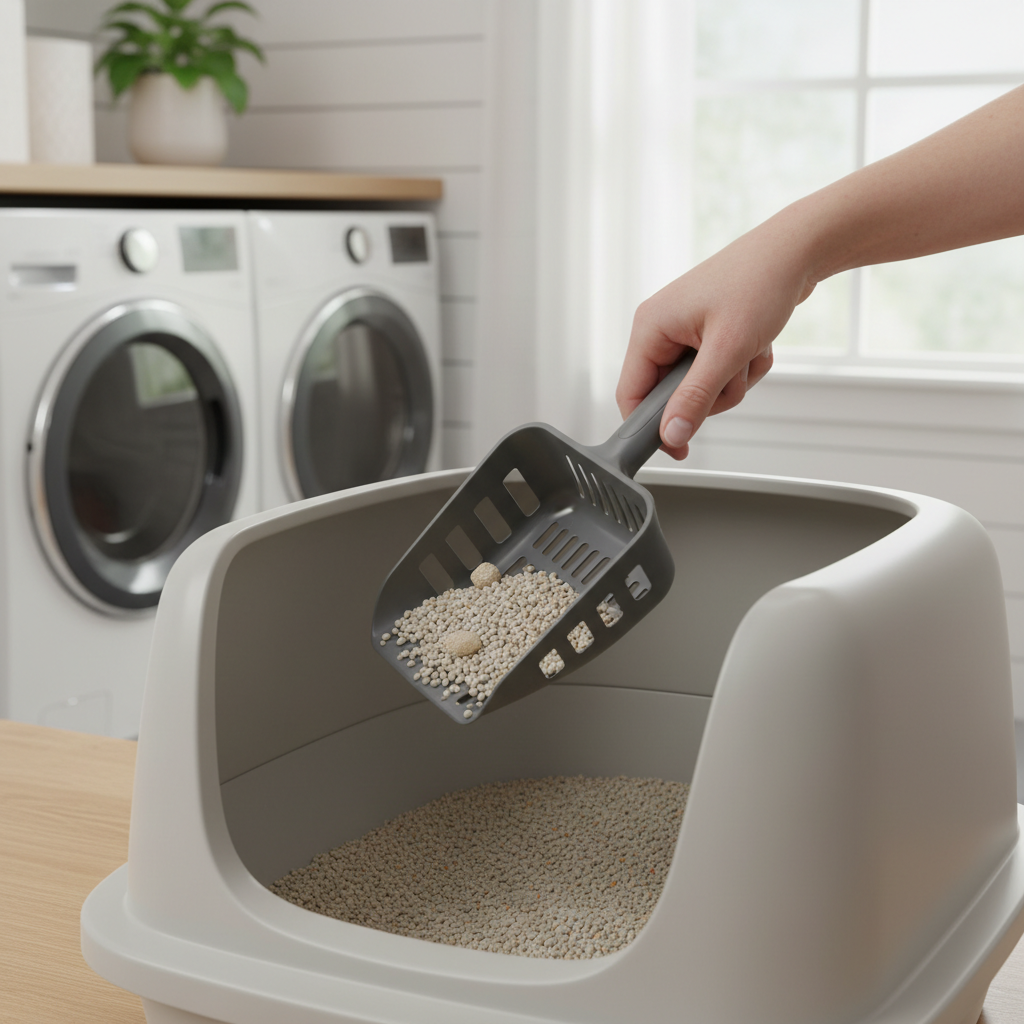
Why scooping feels slow (and what’s usually really happening)
Most “slow scoop” complaints come from a mismatch between the scoop design and the litter behavior, not because you’re doing it wrong. A sifting tool works only when the clean granules can fall through quickly while clumps stay put.
- Slot size vs. litter grain size: fine litter can pour through wider slots, but pellets often need larger gaps or they jam.
- Clump strength: some clumping litters form fragile clumps that break when you shake, that creates more scraping and re-sifting.
- Box depth and fill level: deep litter makes it harder to “skim,” you end up digging, lifting heavier loads, and losing time.
- Moisture and stick: humid rooms, uncovered boxes, or urine pooling can make litter smear and cling to metal or plastic.
According to the American Veterinary Medical Association (AVMA), good litter box hygiene supports a healthier home environment, and for many households that starts with consistent, efficient waste removal.
Quick self-check: are you using the right sifter scoop for your setup?
Before buying a new tool, it helps to diagnose your exact friction point. These quick checks usually point to the right fix.
- If clean litter won’t fall through, your slots are too narrow for your litter, or you’re lifting too much at once.
- If clumps crumble while shaking, you may need gentler sifting, stronger clumping litter, or to scoop sooner.
- If the scoop bends or flexes, the edge won’t scrape the box clean, and you’ll do extra passes.
- If you scrape stuck “cement”, your litter depth may be too low, or your box material holds residue.
- If odor spikes quickly, the issue is often missed small clumps, not just the litter brand.
A good cat litter sifter scoop should feel like it “separates” with minimal wrist effort, if you’re constantly shaking hard, something is off.
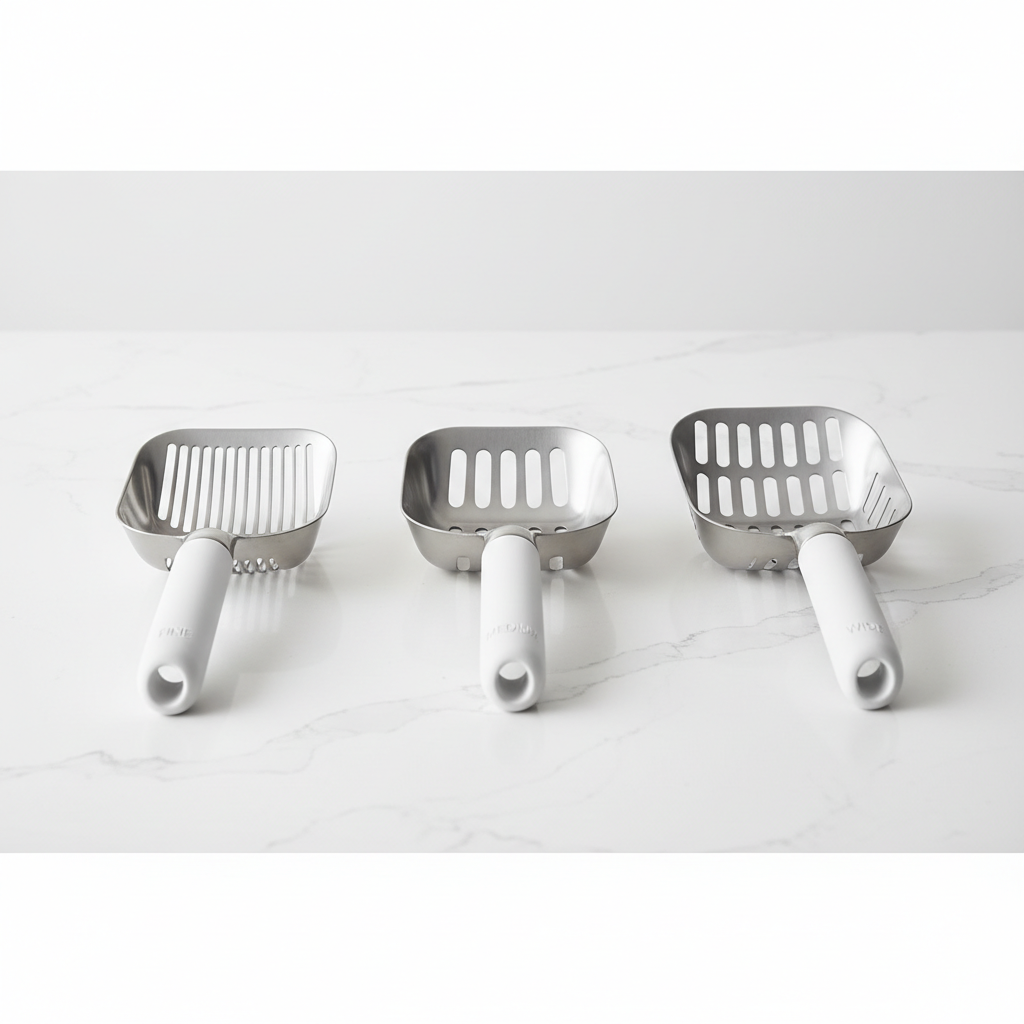
Choosing the right cat litter sifter scoop (without overthinking it)
You don’t need a “fancy” scoop, you need one that matches your litter type and your box size. The fastest setups usually keep separation simple.
Key features that actually matter
- Slot width: match to your litter, tighter for fine clumping litter, wider for larger grains or lightweight blends.
- Deep basket: holds a larger load so you make fewer trips to the trash, helpful for multi-cat homes.
- Flat leading edge: improves scraping along corners and the bottom where clumps bond.
- Stiff handle and neck: reduces flex, which reduces re-scooping.
- Material: metal often scrapes cleanly and resists odor, sturdy plastic can be lighter and quieter.
Common matches (good starting point)
- Fine clumping clay: medium slots, flat edge, deeper basket.
- Pellets (pine/paper): wider slots or a pellet-specific sifter, plus a box designed for pellet sifting.
- Crystal/silica: sifting can work, but you may prioritize a wide, comfortable scoop and mix-through rather than aggressive shaking.
If your current cat litter sifter scoop dumps clean litter back with the clumps, that’s often a slot mismatch, not user error.
A faster scooping method: the 90-second routine that saves litter
Speed comes from a repeatable pattern, not from shaking harder. Try this routine for a few days and adjust based on what you see.
- Skim first: glide the scoop just under the surface to catch fresh clumps before they break.
- Work the perimeter: hit edges and corners next, cats often urinate along walls.
- Bottom pass last: use the flat edge to lift anything stuck, slow and steady beats chiseling.
- Sift in small loads: lift half a scoop, shake gently twice, and stop, extra shaking grinds clumps.
- Top off after: add a thin layer of fresh litter, then smooth, the box “resets” for tomorrow.
Small detail, but it matters, if your trash can sits across the room, you’ll subconsciously rush, a closer bin or a small waste pail near the box makes consistent scooping easier.
At-a-glance comparison table: scoop options and who they fit
Here’s a practical way to choose without falling into endless product pages.
| Type | Best for | Watch-outs | What to look for |
|---|---|---|---|
| Standard slotted scoop | Most clumping clay users | Can be slow with very fine litter | Medium slots, flat edge, stiff handle |
| Deep-basket sifter scoop | Multi-cat homes, larger boxes | Heavier when full | Reinforced neck, wide comfortable grip |
| Metal scoop | People who scrape stuck clumps often | Can be noisy on plastic pans | Smooth welds, rust-resistant finish |
| Pellet sifting system | Pine/paper pellet litter setups | Requires compatible box design | Wide gaps, stable frame, easy dump mechanism |
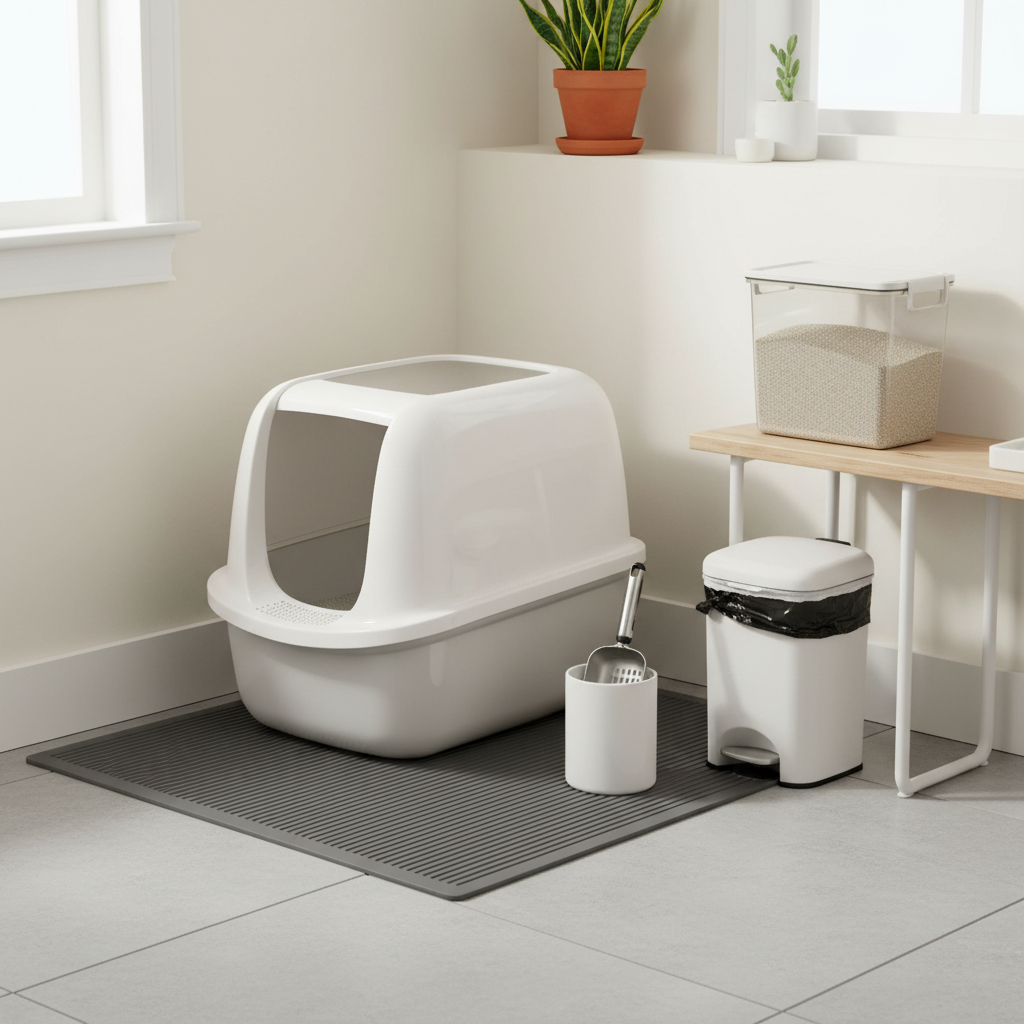
Maintenance that keeps scooping fast (and less gross)
A scoop slows down when it gets coated, especially along the edge and between slots. The goal is to keep surfaces slick so litter releases quickly.
- Rinse and dry weekly: warm water and mild dish soap usually works, then dry fully to reduce odor and residue.
- Quick daily wipe: if litter smears, a paper towel wipe saves time tomorrow.
- Replace when warped: a bent edge turns every session into extra scraping.
- Consider a holder: keeping the scoop off the floor reduces tracking and that “why is this sticky” problem.
According to the Centers for Disease Control and Prevention (CDC), basic hygiene like handwashing after handling cat waste is a sensible precaution, especially for higher-risk individuals, and if you have health concerns it’s smart to ask a healthcare professional.
Mistakes that waste litter or make odor worse
Some habits feel productive but backfire, usually by breaking clumps into smaller pieces or leaving wet spots behind.
- Over-shaking the scoop: turns clumps into crumbs that slip through slots and keep smelling.
- Waiting too long: clumps can bond to the bottom, then you scrape harder and the pan gets rougher over time.
- Too much litter depth: counterintuitive, but very deep litter increases digging and makes sifting heavier.
- Spraying strong cleaners in the box: residue and fragrance may deter some cats, plain soap and thorough rinse is often safer.
If your cat starts avoiding the box, changes urination habits, or strains, treat it as a potential health issue rather than a “litter preference” problem, a veterinarian can help you sort it out.
Key takeaways (so you can fix this today)
- Match slot width to litter type, separation speed depends on it.
- Scoop in smaller loads, gentle sifting keeps clumps intact and saves clean litter.
- Scrape corners and bottom on purpose, missed spots drive odor more than most people think.
- Keep the tool clean and stiff, a warped scoop quietly doubles your effort.
If you want the quickest win, change your technique for three days before buying anything, then upgrade your cat litter sifter scoop only if the pain point stays the same.
FAQ
What is a cat litter sifter scoop used for?
It separates clean litter from clumps by letting unused granules fall through slots, so you toss only the waste. When the slots match your litter size, it reduces litter waste and speeds cleanup.
Why does my sifter scoop keep getting clogged?
Usually the slots are too narrow for your litter, or the scoop is overloaded so litter packs together. Try smaller loads, and if it still jams, a wider-slot scoop fits better.
Is a metal scoop better than plastic?
Metal often scrapes stuck clumps more easily and may hold less odor, but it can be louder and heavier. A thick, stiff plastic scoop can work great if the edge stays straight.
How often should I scoop to keep odor down?
Many households do best with daily scooping, and some multi-cat setups benefit from twice daily. If odor spikes quickly, it may be missed small clumps or low litter depth rather than frequency alone.
Can a sifter scoop work with pellet litter?
Sometimes, but pellet systems often work better with a matching sifting tray or box design. Pellets and sawdust behave differently than clumping clay, so the “right tool” may be a full sifting setup.
My cat’s clumps stick to the bottom, what should I change?
Check litter depth first, too little litter makes urine hit the pan and cement. You can also scoop sooner and use a scoop with a flatter edge; if sticking persists, a different litter formula may help.
Is it safe to use scented sprays or disinfectants in the litter box?
Many cats react to strong scents, and residues can irritate sensitive paws, so mild soap and thorough rinsing is a safer default. If you need disinfection for a special situation, it’s reasonable to ask a veterinarian for guidance.
If you’re still spending too long at the litter box, you might prefer a more “system” approach, matching scoop slot size, litter type, and a simple station setup so cleanup stays consistent without extra mental effort.