
Senior dog food soft kibble is often a practical switch when an older dog starts chewing slower, dropping pieces, or simply walking away from a bowl they used to finish.
A lot of people assume this is just “picky eating,” but in many homes it’s more about comfort: aging teeth, sore gums, weaker jaw muscles, or dry-mouth from medications can make regular crunchy kibble feel like a chore.
This guide breaks down why soft kibble helps, how to tell whether your dog needs it, what to look for on a label, and how to transition without upsetting digestion. I’ll also flag the moments when you should pause and talk to your veterinarian, because chewing trouble can sometimes signal something bigger than food texture.
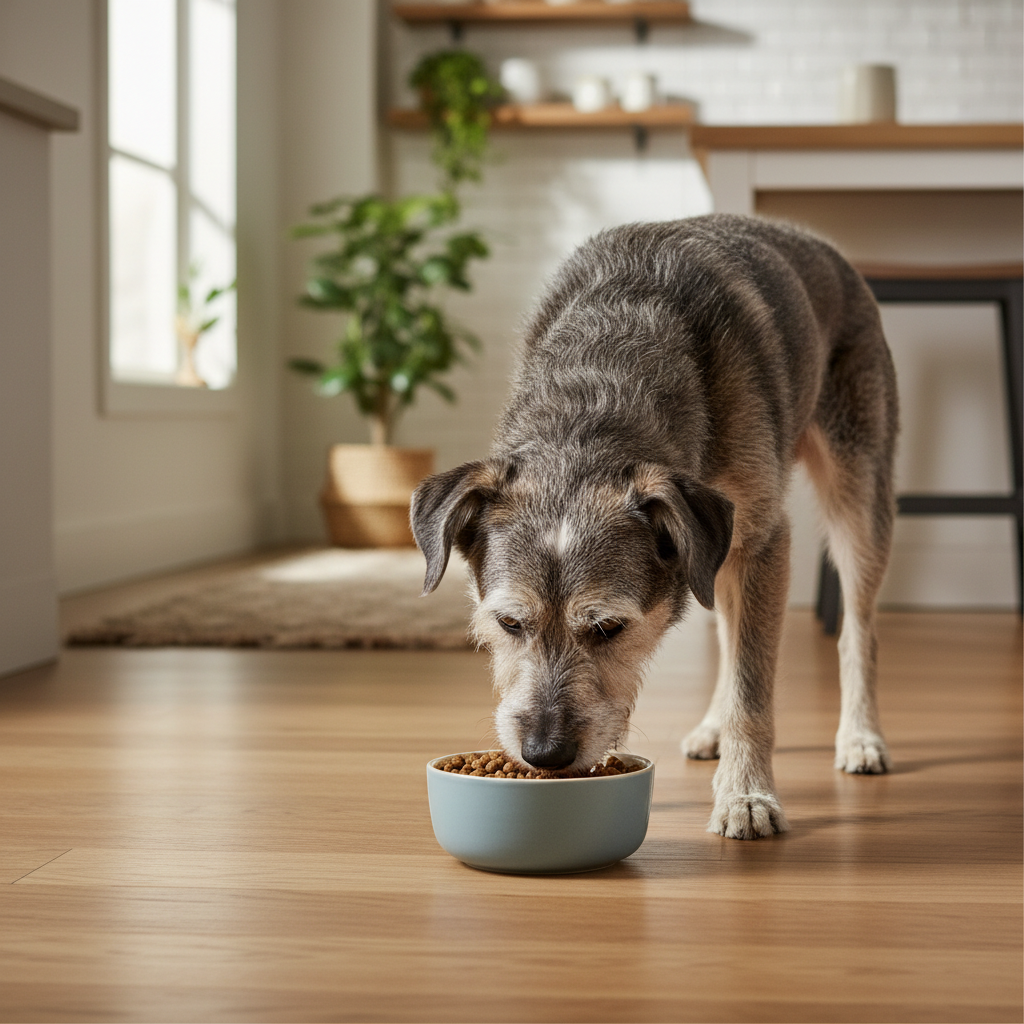
Why older dogs often struggle with regular kibble
Chewing changes with age, and the reasons are usually pretty ordinary. The tricky part is that dogs rarely “announce” pain, they just adapt by eating less, eating slower, or only taking the easiest pieces.
- Dental wear and periodontal disease: Tartarus, gum inflammation, loose teeth, and sensitivity make hard bites uncomfortable.
- Lower jaw strength: Senior dogs may fatigue faster, especially if arthritis affects posture while eating.
- Dry mouth: Some medications and health conditions can reduce saliva, so dry kibble is harder to break down.
- Digestive sensitivity: Even if chewing is fine, seniors sometimes do better with formulas that are easier to digest.
According to the American Veterinary Medical Association (AVMA), dental disease is common in dogs, and consistent dental care matters for overall health. If chewing has changed suddenly, treat that as a clue, not a personality shift.
Soft kibble vs. canned food vs. soaking: what “easy chew” really means
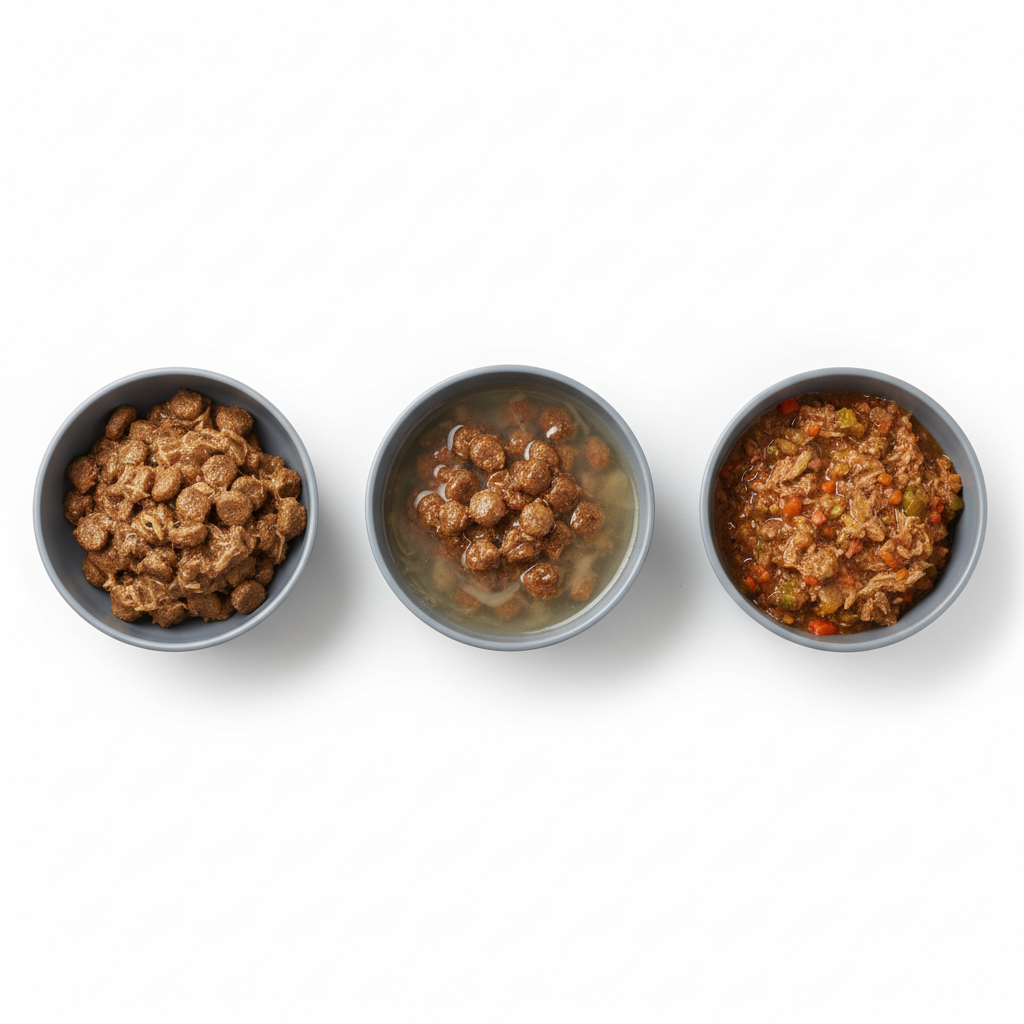
“Soft” can mean different things depending on the product. Some bags are truly semi-moist, others are smaller kibble pieces with a gentler crunch. You can also create a softer bite by hydrating dry food, but that comes with its own handling rules.
Quick comparison table
| Option | Chew effort | Pros | Watch-outs |
|---|---|---|---|
| Soft kibble (semi-moist or tender kibble) | Low to medium | Convenient, less mess than canned, often easier to portion | May be higher in calories or preservatives, varies by brand |
| Wet/canned food | Low | Very easy to chew, higher moisture | Can be richer, may cause loose stool during transition |
| Soaked dry kibble | Low | Budget-friendly, lets you keep the same formula | Food safety: don’t leave it out long; texture can get gummy |
| Fresh cooked (commercial or homemade) | Low | High palatability, customizable textures | Homemade needs proper formulation; cost can rise fast |
If your dog can still chew but seems reluctant, senior dog food soft kibble is often a middle ground: less crunch than standard kibble, but easier storage and dental contact than fully wet diets.
Self-check: does your senior dog actually need softer food?
Before buying a new bag, watch one or two meals closely. What you’re looking for is a pattern, not a single “weird day.”
- Chewing looks one-sided or your dog avoids certain angles.
- Kibble falls out of the mouth repeatedly, especially small pieces.
- Slower meals with more breaks, licking the bowl without finishing.
- Pawing at the mouth or rubbing the face after eating.
- Hard treats are ignored but soft treats disappear instantly.
- Bad breath, drooling, or blood-tinged saliva shows up.
If you see bleeding gums, swelling, or sudden refusal to eat, it’s safer to check with a vet promptly. A “texture problem” can be dental pain, a broken tooth, or something else entirely.
What to look for in senior dog food soft kibble (beyond the marketing)
Texture helps, but nutrition still does the heavy lifting. “Senior” on the front of a bag doesn’t guarantee it fits your dog’s needs, especially if weight, activity level, and medical history vary.
Label and formula cues that usually matter
- Complete and balanced statement: Look for an AAFCO nutritional adequacy statement appropriate for your dog’s life stage. According to AAFCO, this indicates the food meets established nutrient profiles (or passes feeding trials).
- Protein quality: Many seniors do fine with solid protein levels, but the right amount can depend on kidney health and your veterinarian’s guidance.
- Calorie density: Soft foods can be more calorie-dense. If your dog gains weight easily, check calories per cup, not just the bag size.
- Fiber and digestibility: Gentle fibers can help stools, but too much change too fast often backfires.
- Joint-support ingredients: Glucosamine, chondroitin, omega-3s show up often, but amounts and effectiveness vary by product.
- Piece size and shape: Smaller, flatter pieces are frequently easier for seniors than large, hard nuggets.
A practical tip: if the brand posts a clear calorie count, feeding guide, and has a reachable customer service line, that’s usually a good sign they expect informed questions.
How to switch without stomach drama (a simple transition plan)
Even when the new food is “gentler,” a fast switch can still cause loose stool. Go slower than you think, especially if your dog already has a sensitive gut.
- Days 1–3: Mix about 75% current food with 25% new soft kibble.
- Days 4–6: Move to a 50/50 blend, keep treats steady so you’re not changing everything at once.
- Days 7–10: Shift to 25% old food, 75% new food.
- After day 10: Fully transition if stools and appetite stay stable.
If your dog is refusing the bowl, warming the food slightly or adding a small amount of warm water can help aroma. If you soak, serve it promptly and discard leftovers rather than leaving them out for hours.
According to the U.S. Food and Drug Administration (FDA), safe food handling matters for pet food too, including keeping products stored properly and avoiding leaving perishable foods out too long.
Common mistakes that make “soft kibble” not work
Most frustrations come from a few predictable missteps. The food may be fine, but the setup around it is off.
- Assuming softer fixes dental disease: It can reduce pain while eating, but it won’t treat infection or loose teeth.
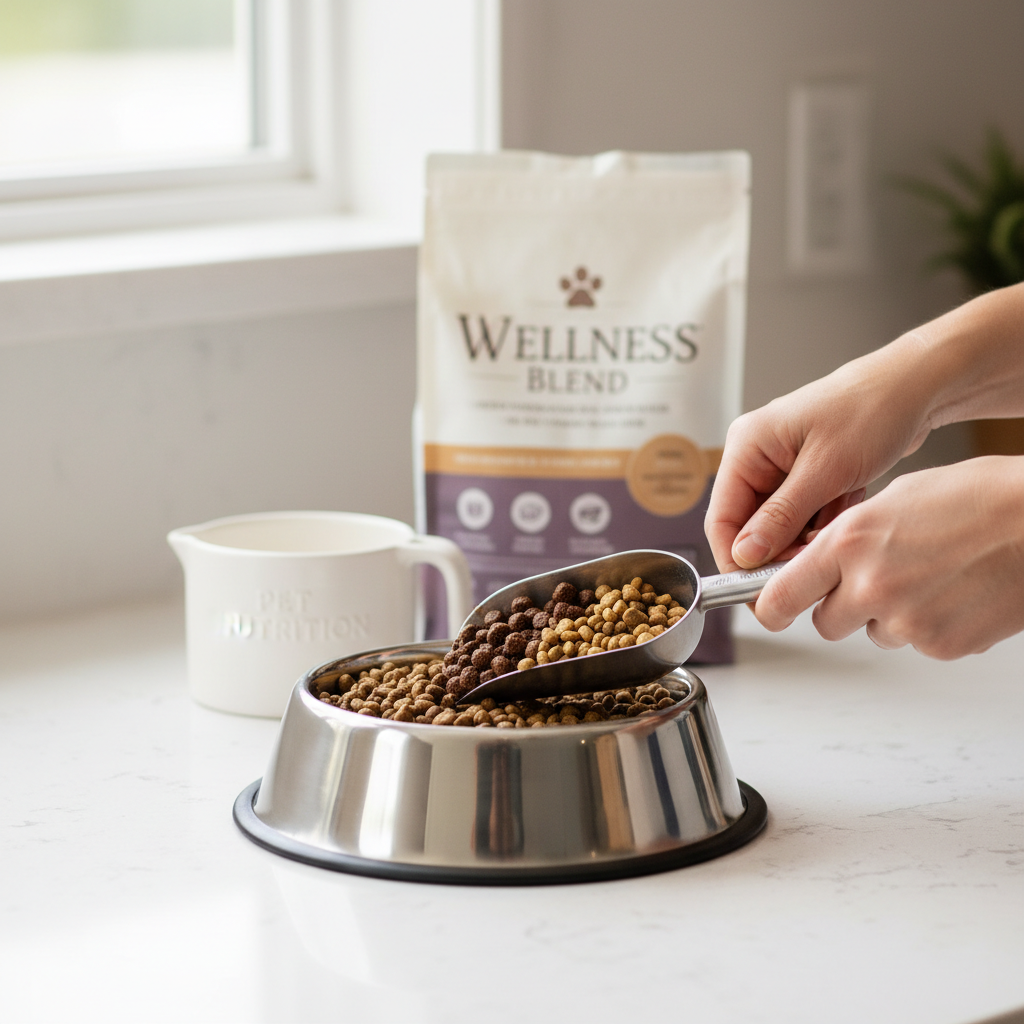
- Overfeeding because it’s easier to eat: When chewing gets easier, some dogs eat faster and more, weight can creep up.
- Changing too many things at once: New food, new treats, new supplements, then nobody knows what caused the diarrhea.
- Soaking and leaving it out: Hydrated food spoils faster, especially in warm rooms.
- Ignoring water intake: Seniors may drink less, adding moisture through diet can help, but you still want fresh water available.
If your dog has arthritis, consider a slightly raised bowl so eating posture is easier. This doesn’t solve chewing, but it can make meals less tiring.
When it’s time to involve a veterinarian or a veterinary nutritionist
Texture changes are common, but some red flags deserve a professional look, especially if the change is sudden or your dog seems uncomfortable.
- Weight loss over a few weeks, even if appetite looks “okay.”
- Choking, gagging, or repeated coughing during meals.
- Persistent vomiting or diarrhea after a careful transition.
- Bad breath with drooling or visible mouth swelling.
- Known kidney, heart, or pancreas issues: Diet choices may need tighter control than a typical senior formula.
If you’re considering a long-term homemade soft diet, a board-certified veterinary nutritionist can help balance it. That step sounds “extra,” but it’s often where people accidentally miss key minerals or overshoot calories.
Key takeaways (so you can act today)
- Chewing trouble is usually a comfort issue, not stubbornness, watch meals closely for patterns.
- Senior dog food soft kibble can be a useful middle option between hard kibble and canned food.
- Read for nutrition and calories, not just “senior” claims, and transition slowly to protect digestion.
- Dental pain needs treatment, softer texture helps eating but doesn’t solve the underlying problem.
My simple recommendation: pick one well-supported formula, transition over 7–10 days, and track stool quality and weight for two weeks. If anything looks off, loop in your veterinarian sooner rather than trying three more bags and hoping one sticks.
FAQ
Is soft kibble better than wet food for senior dogs?
It depends on what your dog struggles with. Soft kibble can be easier to portion and store, while wet food is usually the easiest to chew and adds moisture. If chewing pain is severe, wet food may be more comfortable, but a vet check is smart.
Can I just soak my regular kibble instead of buying soft kibble?
Often, yes. Warm water can soften pieces and boost aroma, which helps some seniors eat. The main caution is food safety: serve it promptly and avoid leaving soaked kibble sitting out for long.
How do I know if my dog’s chewing issue is dental pain?
Look for signs like one-sided chewing, dropping food, pawing at the mouth, bad breath, or visible gum redness. Because dogs hide discomfort well, a dental exam is usually the most reliable way to confirm.
Will soft kibble cause weight gain?
It can if the calories per cup are higher than your previous food or if your dog eats more because it’s easier. Check the calorie information and adjust portions based on body condition, not just the bag’s feeding chart.
What ingredients should I prioritize in senior dog food soft kibble?
Prioritize a clear AAFCO “complete and balanced” statement, a protein source your dog tolerates well, and a calorie level that matches activity. If your dog has a medical condition, ingredient priorities can shift, so a vet’s input helps.
My senior dog coughs while eating kibble. Is softer food enough?
Coughing during meals can happen for different reasons, including eating too fast or swallowing issues. Softer texture may help, but persistent coughing or gagging should be discussed with a veterinarian to rule out more serious causes.
How many times a day should I feed a senior dog on soft kibble?
Many seniors do well with two meals daily, and some do better with three smaller meals if nausea or appetite swings show up. Your dog’s schedule, medications, and weight goals usually decide what’s most practical.
If you’re trying to make meals easier without turning feeding time into a daily experiment, focus on one change at a time: choose a soft-chew formula that fits your dog’s health needs, transition slowly, and keep notes for your vet if anything feels “not quite right.”