
Natural, Chemical-Free Flea Relief for Pets (What Actually Helps)
Pet flea treatment natural approaches can help calm itching and reduce flea pressure, but they work best when you treat the pet and the home at the same time. If you only do one, fleas tend to boomerang back, and you end up thinking “natural doesn’t work.”
If you’re searching for chemical-free options, you’re probably trying to avoid strong pesticides, protect kids or other pets, or you’ve had a pet react poorly to a product before. Those are valid concerns, and there are ways to be cautious without doing nothing.
One quick reality check: “natural” doesn’t automatically mean “safe,” and “chemical-free” often means “no synthetic pesticides,” not “no ingredients.” This guide focuses on lower-risk, commonly used strategies, plus the spots where it makes sense to ask a veterinarian before experimenting.
Why fleas keep coming back (even when you “treated” your pet)
Most flea frustration comes from treating the visible problem and missing the invisible one. Adult fleas are the part you see, but eggs and larvae sit in carpet, bedding, couch seams, and pet “hangout zones.”
- Environment reservoir: If your home isn’t addressed, new adults keep emerging.
- Timing gap: Many natural methods reduce fleas gradually, so you need a plan for 2–4 weeks, not two days.
- Pet-to-pet spread: Multi-pet homes often have one “untreated” carrier (including visiting animals).
- Wrong expectation: Some products repel but don’t kill, so you still find fleas.
According to the CDC, fleas can bite humans and also play a role in transmitting certain diseases, which is why consistent control matters even if the itching seems “minor.”
Quick self-check: what kind of flea situation are you in?
Before you choose a pet flea treatment natural routine, figure out whether you’re doing prevention, light cleanup, or a full-blown infestation response. This changes what “enough” looks like.
Signs it’s mild (often manageable with gentle methods)
- You spot 1–2 fleas occasionally, not daily
- Flea dirt (black specks) is rare when you comb
- Your pet scratches, but skin isn’t raw or inflamed
Signs it’s moderate to heavy (you may need faster help)
- You find fleas every time you comb
- Hair loss, scabs, hot spots, or restless sleep
- Fleas show up in more than one room
- Young, senior, or small pets seem tired or pale (possible anemia risk—needs prompt veterinary advice)
Natural options that tend to work best (and where they fit)
If you want chemical-free flea help, think in layers: remove fleas, reduce bites, and stop the lifecycle. Here are practical options people usually have the best luck with.
1) Flea combing (simple, underrated, very effective)
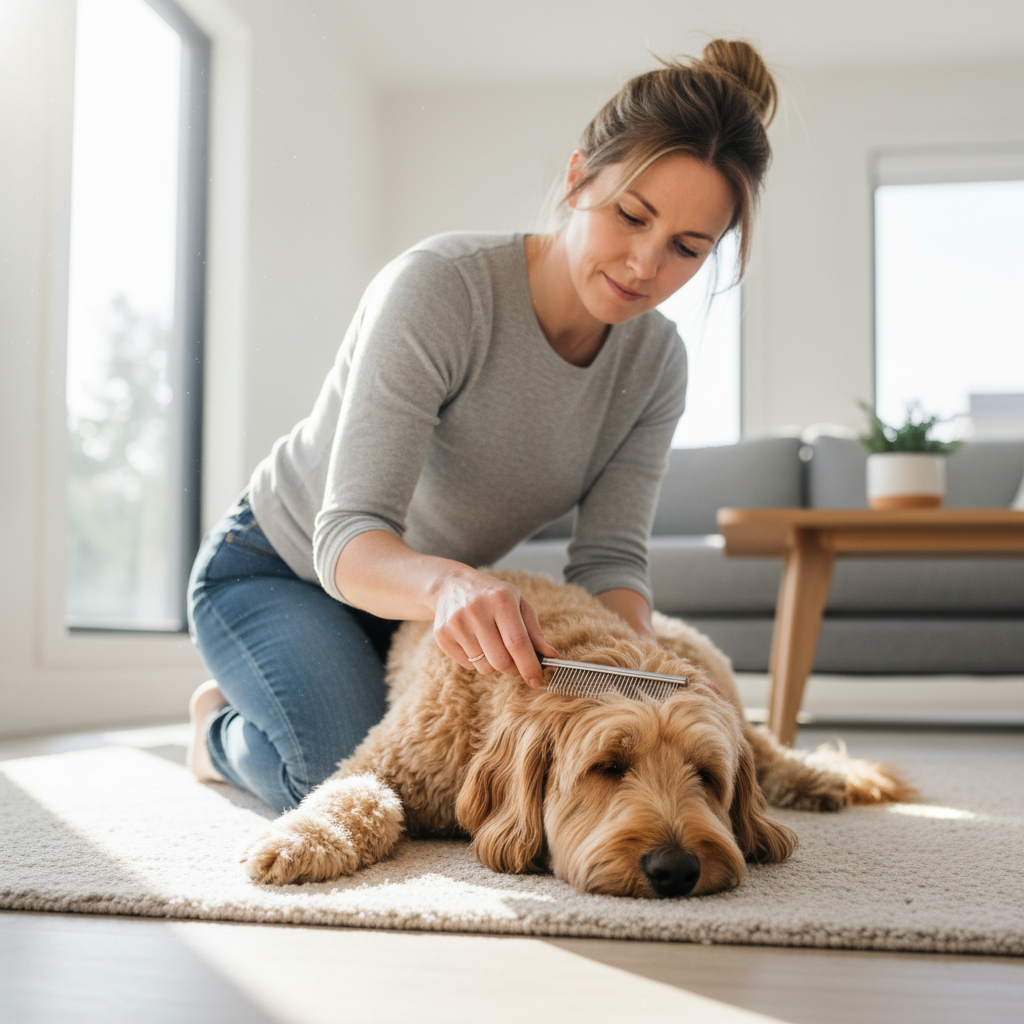
Daily combing for 5–10 minutes pulls adult fleas off immediately. Keep a bowl of warm soapy water nearby and dunk what you catch. Focus on neck, base of tail, belly, and behind ears.
- Best for: mild cases, kittens/puppies too young for many products (ask a vet), and as an add-on to anything else
- Watch-outs: needs consistency; don’t skip the “soapy water” step or fleas hop away
2) Bathing with a gentle pet shampoo
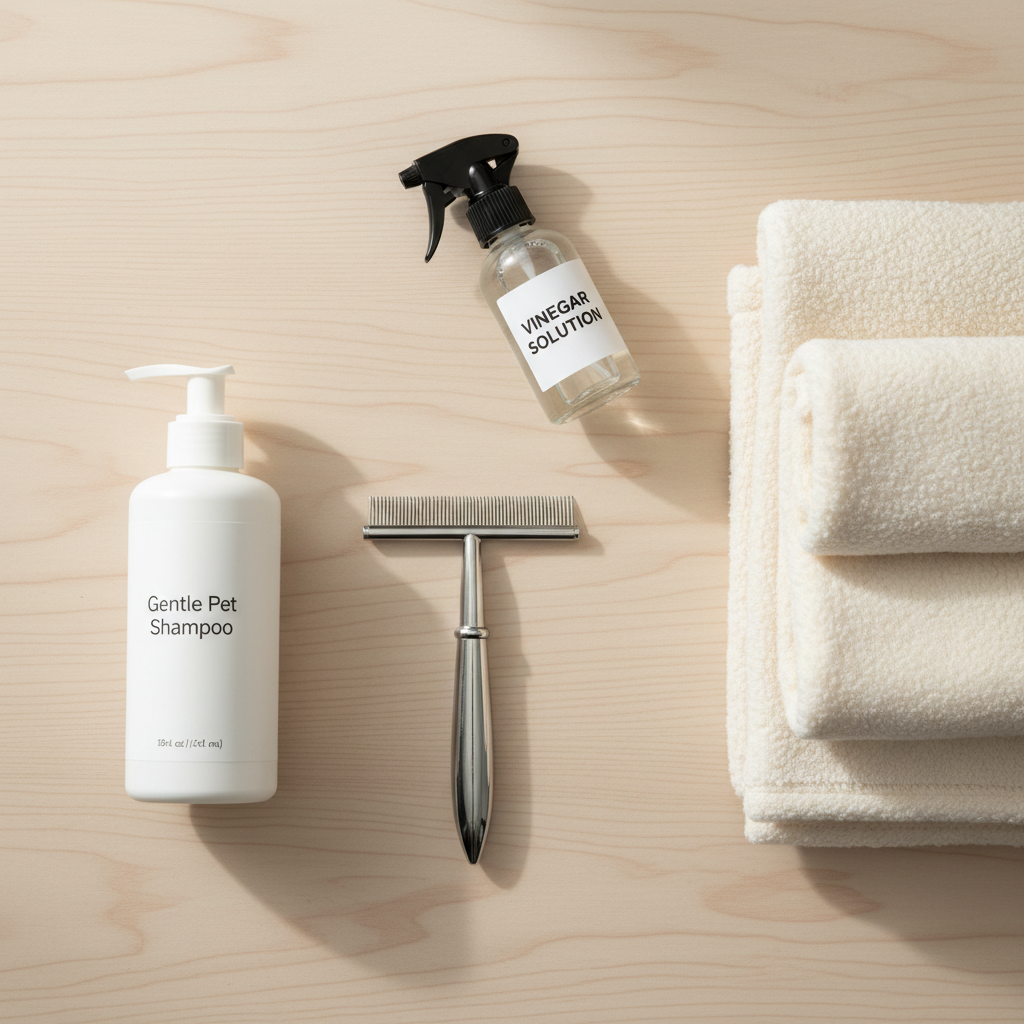
A bath can reduce adult fleas and soothe skin, especially if your pet is already itchy. Use a pet-safe, fragrance-light shampoo. Start by lathering around the neck first to help limit fleas running to the face.
- Best for: dogs that tolerate baths, short-term relief
- Watch-outs: frequent bathing can dry skin; cats often stress easily, so don’t force it
3) Home cleanup that breaks the lifecycle
This is where most “natural plans” win or lose. Vacuuming and hot-washing fabrics don’t sound exciting, but they hit eggs and larvae in the places fleas actually develop.
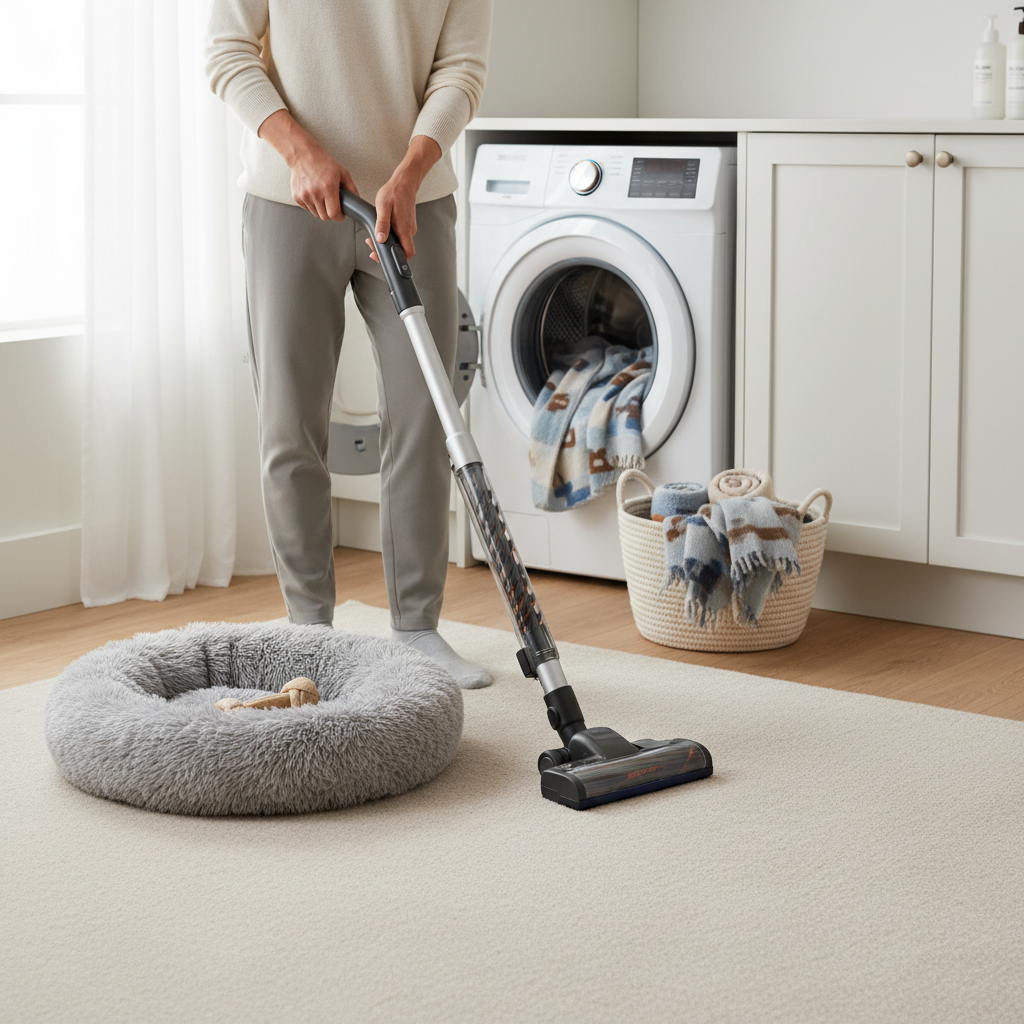
- Vacuum carpets, rugs, and couch edges every 1–2 days for 2 weeks
- Wash pet bedding on hot, dry on high heat
- Reduce clutter near pet sleeping areas so you can actually reach floors
If you use a bagged vacuum, dispose of the bag outside. If it’s bagless, empty the canister outdoors and rinse it, otherwise you keep a flea nursery in your closet.
4) DIY sprays: what’s reasonable vs risky
Many households try vinegar-based sprays for surfaces. These may help as a mild repellent on hard surfaces, but they’re not a reliable kill step for an infestation. If you use any spray, spot-test fabrics first and keep pets away until fully dry.
A hard “no” for many pets: essential oils applied to fur or used in strong concentrations. According to the ASPCA, certain essential oils can be toxic to pets, and cats are especially sensitive. If you want a scented home, keep it well ventilated and away from pet areas, and ask your vet for guidance before using oils around animals.
A practical 14-day natural flea plan (pet + home)
If you want a routine you can actually follow, this two-week sprint usually makes the biggest difference. It’s not fancy, but it’s realistic.
- Days 1–3: comb daily, wash bedding, vacuum main rooms, consider one bath if your pet tolerates it
- Days 4–7: continue combing, vacuum every other day, wash blankets again if fleas were heavy
- Days 8–14: comb 3–4 times per week, vacuum twice weekly, keep pet sleeping zones clean
Key point: if you stop after a few “good days,” you often get a rebound because eggs that were already present keep hatching.
Comparison table: common “natural” flea methods (what to expect)
| Method | What it does | Best use | Limitations |
|---|---|---|---|
| Flea comb | Removes adult fleas and flea dirt | Daily control + monitoring | Time commitment, misses eggs/larvae in home |
| Bath with gentle pet shampoo | Reduces adults, soothes irritated skin | Short-term relief | Not a full lifecycle solution, may dry skin |
| Vacuum + hot laundry | Reduces eggs/larvae in environment | Core of chemical-free plans | Needs repetition over weeks |
| Vinegar surface spray | May mildly repel on hard surfaces | Light support step | Unreliable as a “treatment,” can damage fabrics |
| Essential oils on pets | Fragrance/repellent claims | Usually avoid unless vet-guided | Potential toxicity, especially cats |
Common mistakes that make “natural flea control” fail
- Treating only the pet: if the home isn’t cleaned, you’re chasing adults forever.
- Overusing irritants: too-frequent baths, harsh soaps, or strong sprays can inflame skin and increase scratching.
- Assuming collars are always gentle: some “natural” collars still contain active ingredients that can irritate sensitive pets.
- Mixing too many methods at once: when a pet reacts, you won’t know what caused it.
- Skipping prevention outdoors: shaded yards and wildlife traffic can keep reintroducing fleas.
When to talk to a veterinarian (and why it’s not “giving up”)
There are times when a pet flea treatment natural routine is not enough, or not fast enough. If your pet has open sores, signs of infection, severe hair loss, or you suspect flea allergy dermatitis, a vet can help you stop the cycle safely.
According to the AVMA, fleas can contribute to skin disease and discomfort, and effective control often requires addressing both the animal and the environment. If you’re dealing with a very young pet, a pregnant pet, or a cat with existing health issues, professional guidance matters because “gentle” options can still cause harm in the wrong dose or format.
Conclusion: the most reliable “chemical-free” strategy is a system
Natural flea control usually works best when you treat it like a system: remove fleas from the pet with combing and occasional bathing, then starve the lifecycle with vacuuming and hot laundry for long enough that hatch-outs don’t catch you off guard.
If you want one action to start today, do a thorough comb session and wash bedding on hot. If you want the action that changes next week, commit to the two-week home cleanup schedule, because that’s where most progress shows up.
FAQ
What is the safest pet flea treatment natural option to start with?
For many households, flea combing plus home cleaning is the lowest-risk starting point because it’s mechanical, not chemical. If your pet has sensitive skin, it also avoids “trial-and-error” ingredients.
Can I use apple cider vinegar on my pet for fleas?
Some people try diluted vinegar as a light repellent, but results vary and it can irritate skin, especially if your pet already has scratches. If you try any topical approach, patch-test and stop if redness or increased scratching shows up.
Do natural remedies kill flea eggs?
Most home remedies don’t reliably kill eggs. That’s why vacuuming, washing fabrics on hot, and repeating the routine for a couple weeks matters more than finding a single “magic” ingredient.
Is diatomaceous earth a good chemical-free flea solution?
Food-grade diatomaceous earth is sometimes used in homes, but dust can irritate lungs for pets and people, and application technique matters. If you’re considering it, ask a veterinarian and avoid creating airborne dust, especially around cats and anyone with asthma.
Why does my pet still scratch after I stop seeing fleas?
Skin can stay inflamed for a while after bites, and some pets develop flea allergy dermatitis where even one bite triggers days of itching. If scratching persists or skin looks infected, a vet visit is a smart next step.
How often should I vacuum during a flea problem?
For active flea pressure, every 1–2 days for the first two weeks is a practical target, focusing on where your pet sleeps and where sunlight doesn’t reach much. After that, twice weekly maintenance often helps prevent rebound.
Are essential oils safe for natural flea control?
Often, this is where “natural” gets risky. Cats are particularly vulnerable to certain oils, and even dogs can react to concentrated products. If you want to use any oil-based product, vet guidance is the safest route.
If you want a simpler path
If you’re trying to avoid harsh chemicals but you’re stuck in a repeat-infestation loop, it may help to get a vet-guided plan that matches your pet’s age, species, and skin condition, then keep the home routine consistent so you’re not constantly switching products and guessing.