
cat flea and tick collar natural oil products can be a reasonable option when you want a lighter-touch approach, but they are not all the same, and “natural” does not automatically mean safe for every cat.
If your cat scratches, you spot flea dirt, or ticks show up after outdoor time, it’s tempting to grab the first “essential oil” collar you see. The problem is that collars vary a lot in ingredients, release rate, and safety testing, and cats metabolize some compounds differently than dogs do.
This guide breaks down what to look for, what to avoid, how to tell whether a collar is actually working, and when it’s smarter to switch to a different prevention plan with your veterinarian.
What “natural essential oil” flea & tick collars actually do
Most natural collars rely on repellency, not killing power. They usually use plant-derived aromatic compounds that may make it harder for fleas or ticks to hang on, feed, or remain on the coat. In real homes, results can be mixed because parasite pressure, climate, and your cat’s exposure vary a lot.
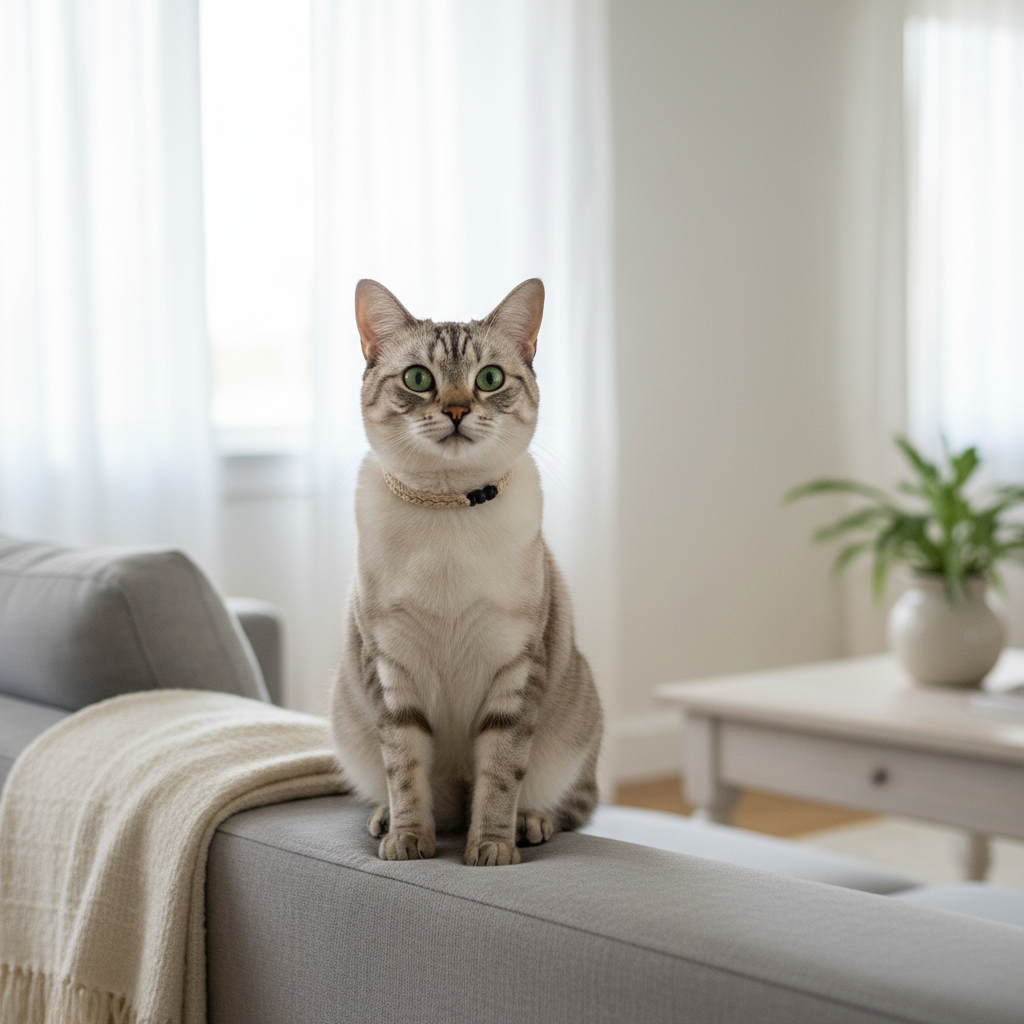
Some products combine repellents with carrier oils, waxes, or polymers that slowly release scent. The best-case scenario is reduced bites and fewer hitchhikers, especially for indoor cats with occasional exposure. If you’re dealing with an active infestation, a collar alone often struggles because fleas also live in the environment, not just on the cat.
According to the U.S. Food and Drug Administration (FDA) and the U.S. Environmental Protection Agency (EPA), some pest control products for pets fall under different regulatory categories depending on ingredients and claims. That’s one reason labels and directions matter more than marketing language.
Why cats can react differently to essential oils
Here’s the part many people miss: cats groom constantly, so whatever sits on the neck can end up in the mouth. Also, cats may be more sensitive to certain essential oil constituents than other pets, especially when oils are concentrated or used too frequently.
Common issues owners report include localized skin irritation, excessive drooling, pawing at the collar, lethargy, or gastrointestinal upset. Those signs do not prove an oil “is toxic,” but they are a signal to remove the collar and contact a veterinarian for guidance.
According to the ASPCA Animal Poison Control Center, exposure to essential oils can cause adverse effects in pets, and cats may be particularly vulnerable depending on the specific oil, dose, and route of exposure. The takeaway is simple: you want cautious ingredient choices and conservative use, not a “stronger smell must work better” mindset.
Quick self-check: is a natural collar the right fit for your situation?
A cat flea and tick collar natural oil option tends to make more sense in some scenarios than others. Use this as a quick reality check before you buy.
- Likely to help: Indoor cat, low exposure, you want a repellent layer during travel, boarding, or short outdoor time.
- Maybe: Moderate flea pressure in warm months, you can also clean the home environment and treat other pets.
- Often not enough: You see live fleas, your cat has flea allergy dermatitis signs, or multiple pets cycle fleas between them.
- Use extra caution: Kittens, senior cats, cats with chronic skin disease, or cats with a history of reactions to fragrances.
If you’re already in “infestation mode,” your fastest progress usually comes from a full plan: pet treatment + environmental cleanup + consistent prevention, not a single product swap.
How to evaluate labels: ingredients, claims, and safety signals
Shopping for natural collars is mostly label reading and a bit of skepticism. You’re looking for clarity, not hype.

What to look for on a good label
- Clear active ingredients with percentages or at least specific names, not just “proprietary blend.”
- Cat-specific directions, including age/weight limits and how long to wait before replacing.
- Contact info for the manufacturer and a way to report adverse events.
- Realistic claims like “repels” rather than guaranteed elimination in every environment.
Red flags
- Strong fragrance with no precise ingredient disclosure.
- Directions that ignore grooming and exposure, for example suggesting adding extra oil “as needed.”
- Claims that sound too broad, like working equally well on every parasite for many months without any limits.
Also, do not assume “natural” equals “gentle.” Concentration, delivery method, and your cat’s behavior matter.
Collar comparison table: natural oil vs other common options
This isn’t about pushing you toward one category, it’s about picking the right tool for your risk level and tolerance for maintenance.
| Option | Typical goal | Good for | Common drawbacks |
|---|---|---|---|
| Natural essential oil collar | Repel fleas/ticks | Lower exposure situations, owners wanting minimal residue | Variable performance, scent sensitivity, irritation risk |
| Prescription topical/oral (vet-directed) | Kill fleas/ticks, prevent reproduction | Moderate to high parasite pressure, infestations | Requires vet input, timing consistency, possible side effects |
| Conventional flea/tick collar (pesticide-based) | Repel and/or kill over time | Longer-lasting prevention for some cats | Not for every household, needs correct fit, watch for reactions |
| Environmental control (vacuuming, laundry, home sprays) | Reduce home life cycle | Any home with fleas, multi-pet homes | Workload, needs repetition, wrong products can be unsafe |
If you’re trying to decide quickly, think in “exposure + urgency.” High exposure and high urgency usually calls for vet-guided products, then you can reassess whether a natural collar still has a role.
How to use a natural oil collar safely (step-by-step)
Most failures come from fit, timing, or mixing products without thinking through interactions. A careful routine helps.
1) Fit matters more than most people think
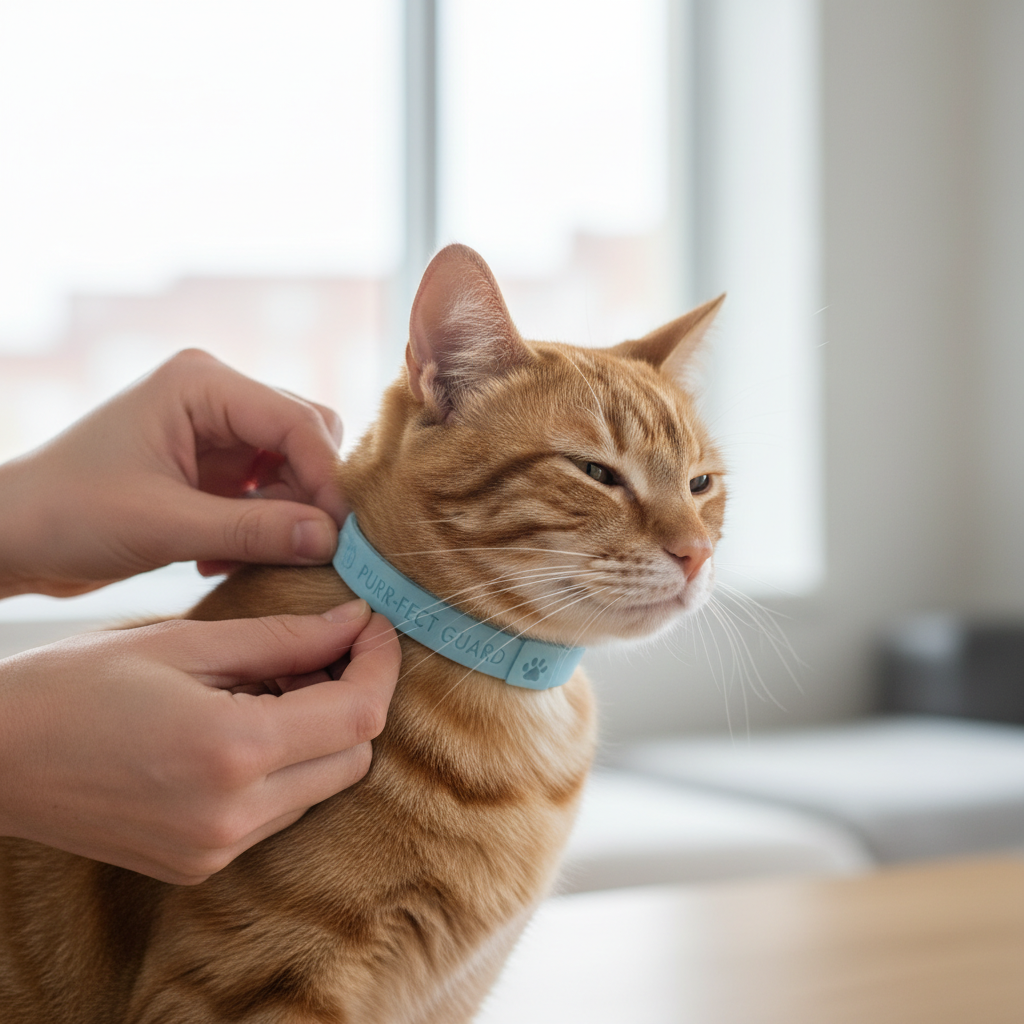
- Use the two-finger rule: snug enough to stay in place, loose enough to avoid rubbing.
- Trim excess length so your cat can’t chew it.
- Choose a breakaway collar for safety, especially for cats that climb.
2) Introduce it like you would any new wearable
- Start when you can observe for a few hours.
- Watch for pawing, head shaking, redness, drooling, or hiding.
- If signs show up, remove the collar and wipe the neck gently with a damp cloth, then call a veterinarian if symptoms persist.
3) Don’t stack strong scents
Mixing a scented shampoo, home diffuser, and a collar can be too much, even when each item looks “mild” on its own. If your home uses essential oil diffusers, consider pausing them during the collar trial period.
4) Track outcomes for 2–4 weeks
- Comb once or twice a week with a flea comb, check for flea dirt.
- Check the neck area for irritation, especially under the collar.
- If you still see live fleas, assume the environment needs attention too.
Common mistakes that waste time (or irritate your cat)
- Expecting a collar to fix the house: fleas often persist in carpets, bedding, and baseboards, so pet-only prevention may lag.
- Replacing too late or too early: follow the label schedule, swapping randomly can lead to underuse or overexposure.
- Using dog products on cats: even “natural” dog items can be inappropriate for cats.
- Ignoring mild symptoms: a little redness can become a sore spot with constant rubbing and grooming.
- Skipping the other pets: in multi-pet homes, inconsistent prevention keeps the cycle going.
According to the Centers for Disease Control and Prevention (CDC), ticks can carry diseases that affect people and animals, so prevention is not just about comfort. If ticks are common where you live, you may want a more robust strategy than a repellent-only product.
When to involve a veterinarian (and what to ask)
Sometimes the most “natural” decision is to stop guessing. Reach out to a professional if any of these show up:
- Your cat has open sores, hair loss patches, or intense itching that doesn’t ease.
- You see ticks attached, especially near the face or ears, or you’re unsure how to remove them.
- You’ve tried a natural collar and still see fleas after 2–4 weeks of consistent use.
- Your cat drools, vomits, seems unsteady, or acts “off” after putting the collar on.
Helpful questions to ask include: “What parasite risk is typical in my ZIP code?” and “If we choose a repellent-only collar, what signs tell us it’s not enough?” That keeps the conversation practical, not ideological.
Key takeaways you can act on today
- Natural oil collars vary, label clarity and cat-specific directions matter.
- Start with safety: correct fit, supervised intro, stop if irritation appears.
- Match tool to problem: low exposure may do fine, infestations usually need a broader plan.
- Measure results with a flea comb and skin checks, not scent strength.
Conclusion: a practical way to choose without overthinking it
If you want a cat flea and tick collar natural oil option, aim for a product with transparent ingredients, conservative directions, and a breakaway design, then test it with close observation for the first day and steady checks over a few weeks.
If your cat’s itching looks intense, your home shows signs of an active flea cycle, or ticks are a regular part of your area, consider using the collar as only one piece of prevention, and get a veterinarian’s input before you keep escalating products. Your goal is fewer parasites with minimal stress on the cat, not proving a point about “natural.”
FAQ
Do natural essential oil collars kill fleas or just repel them?
Many are designed primarily to repel. Some may claim additional effects, but in practice a repellent-only approach can struggle in heavy flea environments, especially when the home also needs treatment.
How long does a natural flea and tick collar take to work?
It depends on the product and exposure. Some owners notice fewer bites within days, but meaningful evaluation usually needs 2–4 weeks of consistent wear plus basic environmental cleanup if fleas exist in the home.
What signs suggest my cat is reacting to the collar?
Pawing at the neck, persistent scratching under the collar, redness, hair thinning, drooling, vomiting, or unusual lethargy can be warning signs. Remove the collar and contact a veterinarian if symptoms don’t quickly improve.
Can I use a natural collar with topical or oral flea meds?
Sometimes, but it’s worth checking with a veterinarian because combining products can increase irritation risk or complicate side-effect troubleshooting. Avoid stacking multiple scented products at the same time.
Is it safe for kittens?
Many collars have minimum age or weight guidance. For kittens, it’s usually safer to follow a vet-recommended plan rather than experimenting, because small body size changes the risk calculation.
What else should I do at home if I see fleas?
Vacuum frequently, wash bedding on hot when fabric allows, and treat all pets consistently. Fleas often persist in the environment, so home steps make prevention actually stick.
Why do I still find ticks when my cat wears a collar?
Repellents can reduce attachment but may not prevent every tick from crawling on. If ticks are common locally, ask your veterinarian about stronger tick coverage and safe removal steps.
If you’re trying to choose between a natural collar and other prevention, or you want a simple checklist based on your cat’s lifestyle and your region, it can help to share your current routine and what you’re seeing day to day, then build a plan that’s realistic to keep up with.