
Best dog raincoats for wet weather are the ones your dog will actually wear, that keep the chest and belly from soaking through, and that don’t turn every rainy walk into a wrestling match. If you’ve ever come home with a dripping dog, a damp harness, and that wet-dog smell stuck in the entryway, you already know why this matters.
Rain gear for dogs looks simple until you buy the “cute” option and realize it rides up, leaks at the neck, or blocks shoulder movement. The practical goal is comfort plus coverage, not a fashion moment, and those two don’t always overlap.
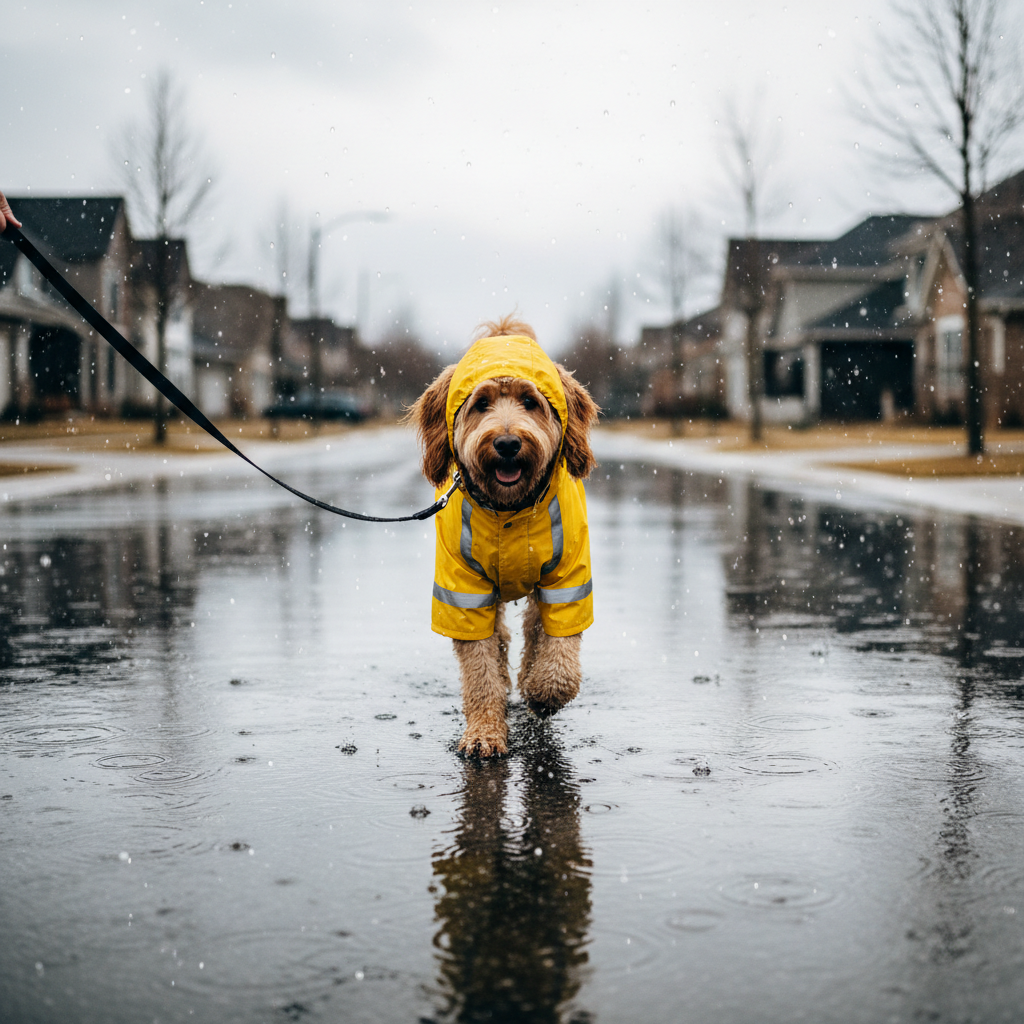
This guide breaks down what to look for, how to choose by coat type and body shape, and how to avoid the common “it fits in the living room” trap. You’ll also get a quick table to compare features so you can shop without overthinking it.
What makes a raincoat “best” in real wet weather
When people say best dog raincoats for wet weather, they usually mean “my dog stays dry enough and stays happy enough.” In practice, a few design details do most of the work.
- Waterproof shell + sealed seams (when possible): Water-resistant fabric helps, but steady rain often finds stitching holes. Sealed seams are a plus, especially for long walks.
- Belly coverage: Splashback hits the underside first. A coat that stops at the ribcage keeps the back dry but leaves the messiest part soaked.
- Adjustable neck and girth: This prevents gaping at the chest and reduces “cape flapping” in wind.
- Harness access: A zipper or opening is useful if you clip leash to a harness. If you walk in high-traffic areas, you’ll use this every day.
- Freedom of movement: Watch the shoulders. If the fabric pulls when your dog steps forward, you’ll see hesitation fast.
- Visibility: Reflective piping or bright colors matter more in gloomy storms than most people expect.
According to the American Veterinary Medical Association (AVMA), weather extremes can pose risks to pets, and owners should adjust routines for safety. In heavy rain and lower temps, the “right” coat can be part of staying comfortable, but it doesn’t replace common sense about exposure time.
Quick comparison table: features that actually change outcomes
If you’re choosing between two coats that look similar online, compare them by how they handle your exact walk: distance, wind, puddles, and how much your dog hates getting dressed.
| Feature | Why it matters in rain | Best for | Trade-off |
|---|---|---|---|
| Full belly panel | Reduces splash, mud, and damp fur underneath | Short dogs, city puddles, trail mud | More sizing sensitivity |
| Lightweight packable shell | Easy to bring “just in case” | Variable weather, travel, quick potty breaks | May wet-through in long storms |
| Lined (fleece or insulated) | Adds warmth when rain turns cold | Small dogs, seniors, chilly regions | Can overheat in mild temps |
| Sealed seams | Limits leakage at stitch lines | Heavy rain, longer walks | Often costs more |
| Harness opening | Keeps leash attachment usable without soaking harness | Daily harness users | Opening can be a leak point if poorly designed |
Fit comes first: a simple at-home sizing check
Most returns happen because fit looks “close enough” until the first real walk. Before you commit, do a two-minute movement test, even if you’re just trying it on indoors.
- Neck: You should fit two fingers under the collar area without obvious gaps.
- Chest/girth: Snug enough to stop shifting, not tight enough to compress or rub behind the front legs.
- Back length: Covers the base of the tail without hanging past it, which can collect water and dirt.
- Shoulders: Ask for a sit, then a few steps. If the coat pulls backward when stepping, it’s likely too short or too stiff in front.
- Belly panel alignment: Centered, not twisting to one side after a few steps.
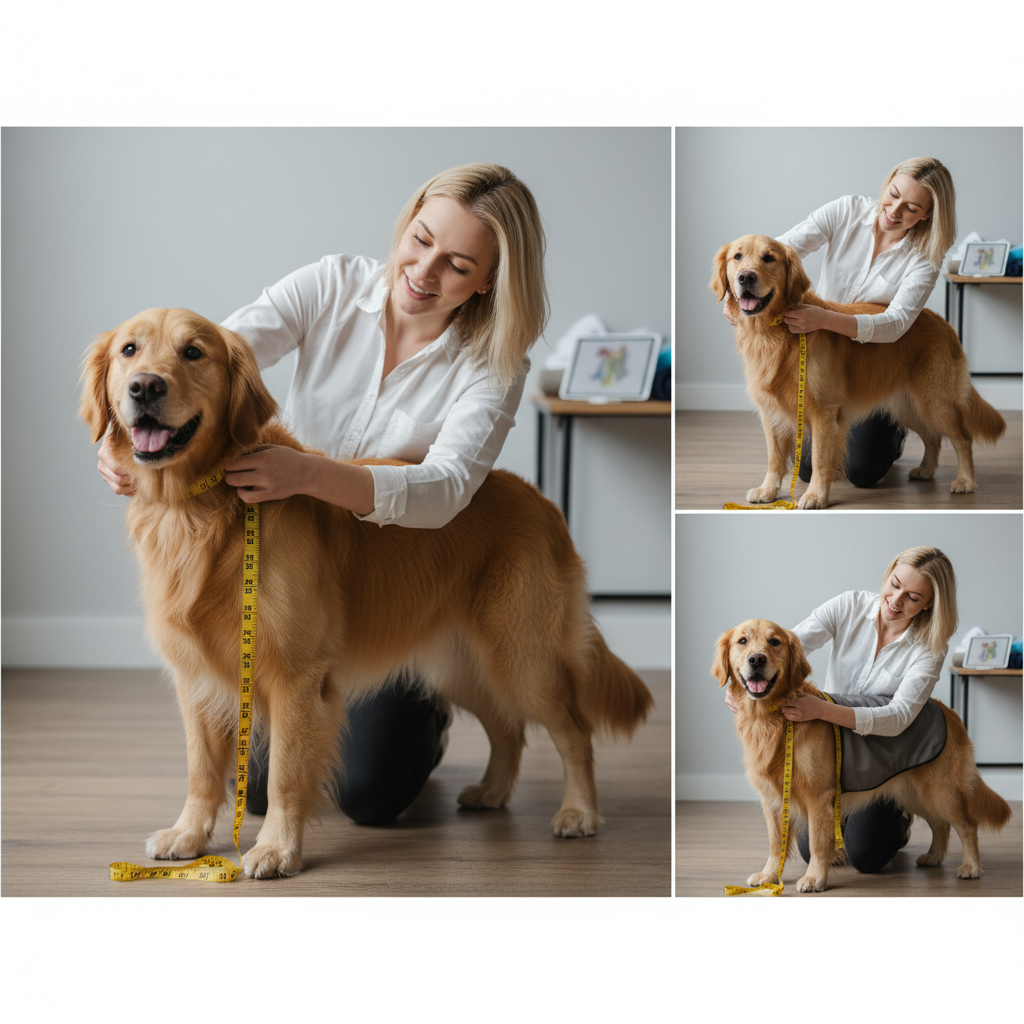
If your dog sits between sizes, going up and using adjusters is often smoother than squeezing into a smaller size. But if the shoulders droop and the belly panel sags, sizing up can backfire, that’s when a different cut works better than a different size.
Pick by dog type and your walking routine (not by the product photo)
The “best” option changes a lot depending on coat length, body shape, and how your dog moves. Here are the patterns that show up most often.
Short-haired dogs (beagle, boxer, pit mixes)
They tend to tolerate lightweight shells well, but in cold rain a lined coat can help comfort. Watch for underarm rubbing, these dogs often have muscular chests that cause chafing if the cut is narrow.
Long-haired dogs (golden retriever, doodles, shelties)
Your priority is usually “less wet fur” rather than warmth. Look for belly coverage and a smooth lining that won’t mat hair. If the coat traps moisture inside, you’ll still end up blow-drying.
Low riders (dachshund, corgi, basset mixes)
These are the dogs that make best dog raincoats for wet weather feel like a real category. They catch road spray and puddle splash. Aim for longer belly panels and a cut designed for long backs, not a standard jacket scaled down.
Deep-chested breeds (greyhound, whippet)
Standard coats often gap at the belly. Adjustable girth straps help, but a breed-specific cut or “athletic” cut usually fits cleaner and flaps less in wind.
High-energy pullers
Prioritize shoulder mobility, durable fabric at the chest, and secure closures. Velcro can be convenient, but on hard pullers it sometimes creeps open over time, buckles or combined closures tend to hold better.
Materials and construction: what to look for on a product page
Online listings love vague words like “waterproof.” You’ll get a better result if you scan for a few specific cues.
- Shell fabric: Nylon or polyester with a waterproof coating is common. For long storms, look for mentions of seam sealing or taped seams.
- Lining: Mesh helps reduce stickiness and can improve comfort. Fleece adds warmth but can feel too hot in mild rain.
- Closures: Wide Velcro is quick but can snag hair; buckles take longer but usually stay put. Zippers near the back can be great, unless they pinch fur.
- Edges and binding: Soft binding reduces rubbing where legs move. Stiff edge tape is a quiet source of chafing.
- Leash access design: A well-covered zipper or storm flap helps prevent leakage around the harness opening.
If a listing doesn’t show the underside, that’s a hint the belly coverage may be minimal. For real wet weather, underside photos are more informative than a front-facing “model shot.”
Practical buying checklist (save this for later)
When you’re shopping, this short checklist keeps you from getting distracted by colorways and marketing claims.
- Your weather: light drizzle vs. steady rain vs. windy storms
- Your walk length: 5-minute potty break vs. 30–60 minute walk
- Where you walk: sidewalks with car spray, muddy trails, beach mist
- How your dog feels about gear: hates over-the-head vs. okay with step-in
- Harness or collar: pick the leash attachment option you actually use
- Cleaning tolerance: machine-washable vs. wipe-clean only
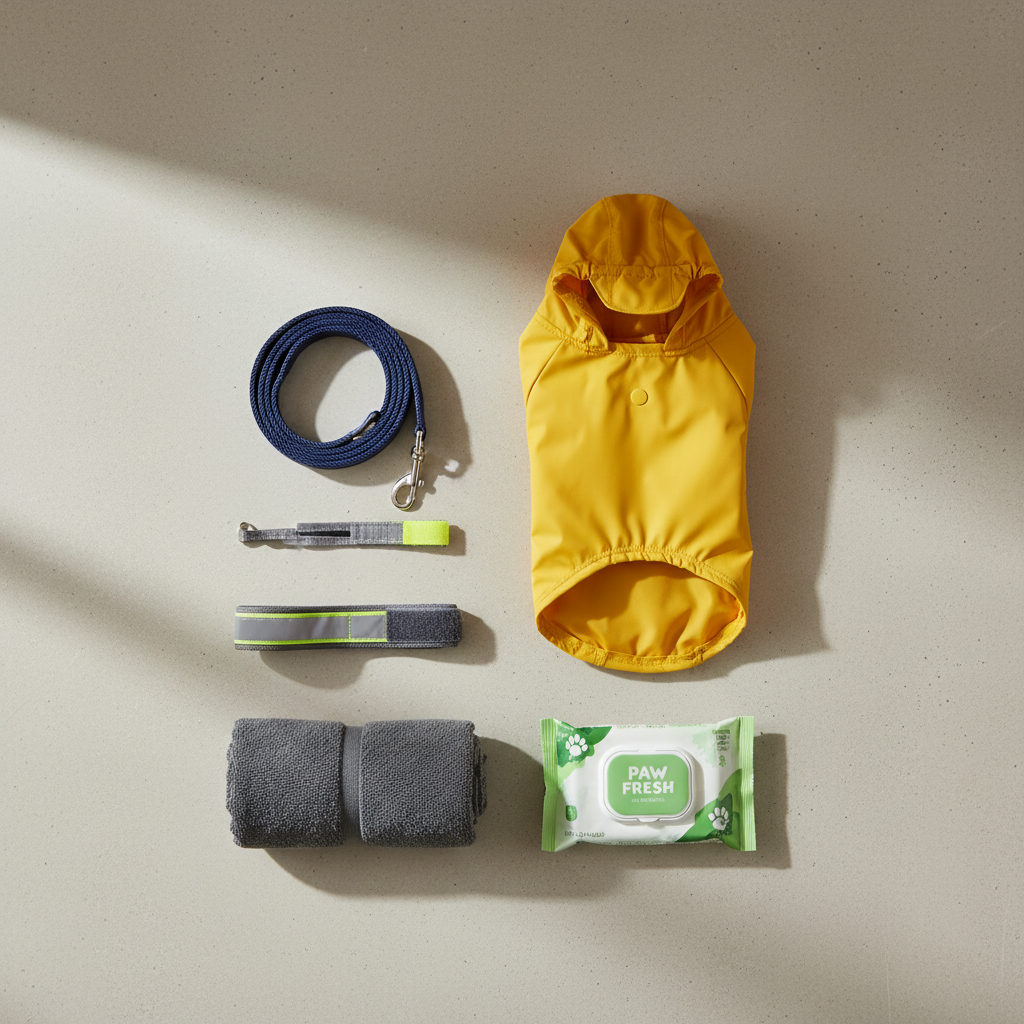
One small but useful trick: if your dog gets nervous with clothing, choose a coat with fewer steps, fasten points you can reach quickly, and minimal noisy fabric. The “quiet” coats often win long-term.
How to get your dog comfortable wearing a raincoat
You can buy a great coat and still lose the battle if your dog associates it with discomfort. Aim for “boring and predictable.”
- Start dry: Put the coat on indoors for 10–30 seconds, reward, remove, repeat. Keep it calm.
- Practice movement: A short walk inside or in the yard helps you catch rubbing early.
- Add rain later: First rainy outing should be short. If your dog freezes, don’t drag it out.
- Post-walk routine: Towel off, especially belly and legs, then remove coat. Trapped moisture can irritate skin in some dogs.
According to the American Kennel Club (AKC), positive reinforcement is a helpful approach for introducing new gear and routines. If your dog shows strong stress signals, a trainer or your veterinarian can help you pick a plan that fits your dog’s temperament.
Common mistakes that make “waterproof” feel useless
- Buying for looks, not coverage: A short back panel often means a soaked hindquarters situation every time.
- Ignoring chafe points: Rubbing behind front legs can make a dog refuse the coat fast.
- Layering without thinking: A thick sweater under a rain shell can restrict shoulders and trap heat.
- Skipping visibility: Dark coats on dark evenings reduce visibility to drivers. Reflective details matter.
- Assuming one coat fits all seasons: Many dogs need a light shell for warm rain and a lined option for cold rain, especially small dogs and seniors.
If you’re dealing with recurring skin irritation, hot spots, or your dog seems unusually cold or lethargic after wet walks, it’s worth discussing with a veterinarian, because coat choice is only one piece of comfort and health.
Conclusion: what to buy for rainy walks in 2026
The short version: the best dog raincoats for wet weather usually combine real belly coverage, reliable adjustability, and a cut that lets your dog move like normal. If you only change one thing, prioritize fit at the shoulders and underside coverage, those two solve most “why is my dog still soaked” complaints.
Your next step can be simple: measure your dog, decide whether you need lightweight or lined, then shop for a coat that shows the underside and offers harness access if you use one. You’ll feel the difference on the very first rainy block.
Key takeaways
- Coverage beats cuteness: belly panels and neck fit reduce soaking.
- Fit test with movement: a coat that shifts will leak and rub.
- Choose by routine: short potty breaks and long storm walks call for different builds.
FAQ
- What is the best dog raincoat for wet weather if my dog hates clothing?
Look for a simple closure system and a quiet, lightweight fabric. Over-the-head designs can be faster, but some dogs do better with step-in styles, it depends on sensitivity around the head and ears. - Do dog raincoats actually keep dogs dry?
Many do, but usually “dryer,” not perfectly dry. In heavy rain, water can enter at the neck, leg openings, or seam lines, and the belly can still get splashed if coverage is short. - Should a raincoat cover a dog’s legs?
Leg coverage can help in cold wind-driven rain, but it can also restrict movement and frustrate dogs. For most everyday walks, strong belly and chest coverage gives better comfort with less hassle. - How do I know if the raincoat is rubbing my dog?
Watch for shortened stride, stopping, licking at the armpit area, or pink skin after removal. If you see irritation, stop using that fit and consider a different cut or softer edging. - Can my dog wear a harness under a raincoat?
Often yes, as long as the coat has a harness opening or you can route the leash safely. If the leash attaches awkwardly or pulls fabric sideways, it’s a sign to change the setup. - Are lined raincoats safe for warm rainy days?
They can be too warm for some dogs. If your dog pants heavily or seems uncomfortable, switch to an unlined shell and keep walks shorter, and ask your veterinarian if you’re unsure about heat tolerance. - How should I wash a dog raincoat?
Follow the label, many waterproof coatings last longer with gentle cycles and air-drying. Avoid harsh detergents and high heat if the brand warns against them, because coatings can degrade over time.
If you’re trying to narrow down options fast, focus on your dog’s body shape, your typical rain intensity, and whether you need harness access. That small filter usually gets you to the right coat without buying three “almost perfect” ones.