
Best dog crates for training are the ones your dog will actually relax in, the door works smoothly, the size matches your dog’s adult build, and the setup supports a calm routine rather than a power struggle.
If you’ve ever bought a crate that rattles, feels flimsy, or turns into a nightly barking match, you already know why people keep searching for “the best” options. A crate is a training tool, but it’s also furniture, a safety zone, and sometimes a travel plan.
This guide narrows down what matters in 2026: crate type, sizing, door layout, airflow, easy cleaning, and a few details that tend to separate “fine” from “why didn’t I do this sooner.” I’ll also share a quick decision table, a buying checklist, and a setup plan you can follow in one weekend.
What “training crate” really means in 2026
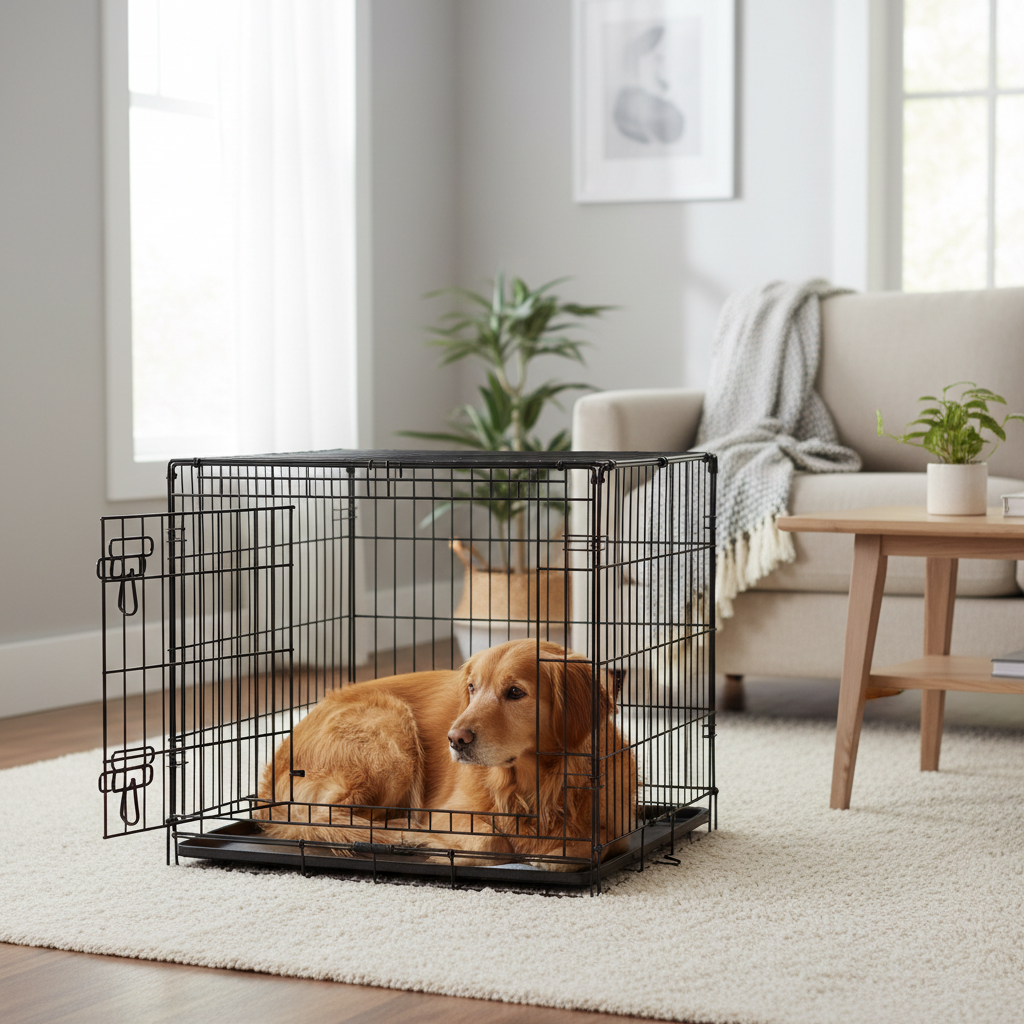
A training crate is less about confinement and more about structure. You want a predictable place for naps, decompression, and short, intentional separations. That’s why crate features matter: one crate can feel like a cozy den, another can feel like a noisy box.
In most households, crate training supports three practical goals: potty training, preventing unsafe chewing, and teaching your dog to settle when life gets busy. According to the American Kennel Club (AKC), crates can help with house training and management when used appropriately and introduced gradually.
One quick boundary: if your dog has intense separation distress, a crate may not be the right starting point, or you may need a more tailored plan with a qualified trainer. A “better crate” rarely fixes a panic problem by itself.
Quick comparison: which crate type fits your training plan?
Different crates solve different problems. The table below is a shortcut, then we’ll get into sizing and features that actually affect training outcomes.
| Crate type | Best for | Watch-outs |
|---|---|---|
| Wire crate (with divider) | Potty training, visibility, airflow, growing puppies | Can be noisy; some dogs need a cover to settle |
| Plastic airline-style kennel | Den-like feel, travel, dogs who overstimulate easily | Less airflow; harder to see in; bulkier to store |
| Soft-sided crate | Calm, crate-trained dogs; car trips; shows/hotels | Not chew-proof; not ideal for anxious or young puppies |
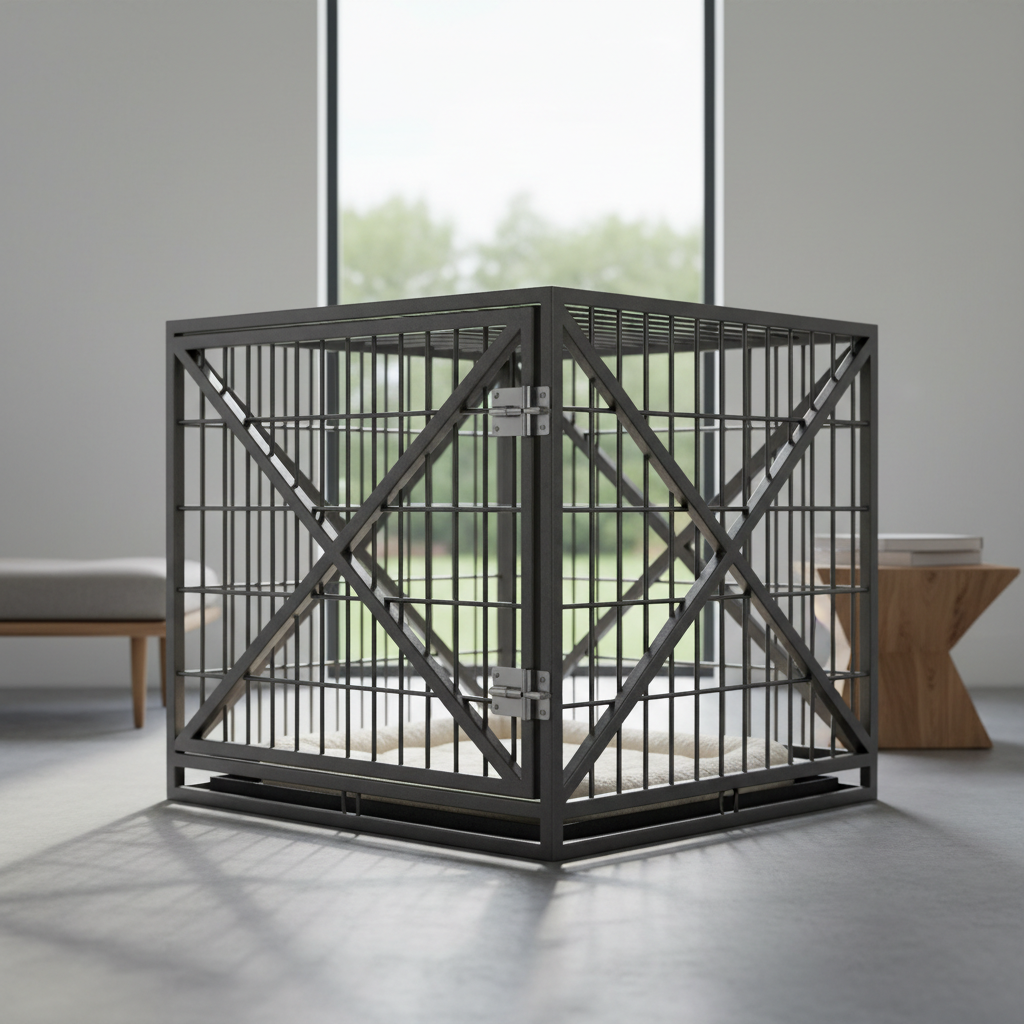
| Heavy-duty metal crate | Strong escape artists, high-drive chewers | Heavy, expensive, can feel “jail-like” if introduced abruptly |
| Furniture-style crate | Crate in a living space, aesthetics, daily use | Quality varies; some have weak latches or poor ventilation |
- Key point: For most people training a puppy in 2026, a wire crate with a divider is still the most forgiving, adjustable option.
How to choose the right size (this is where most people miss)
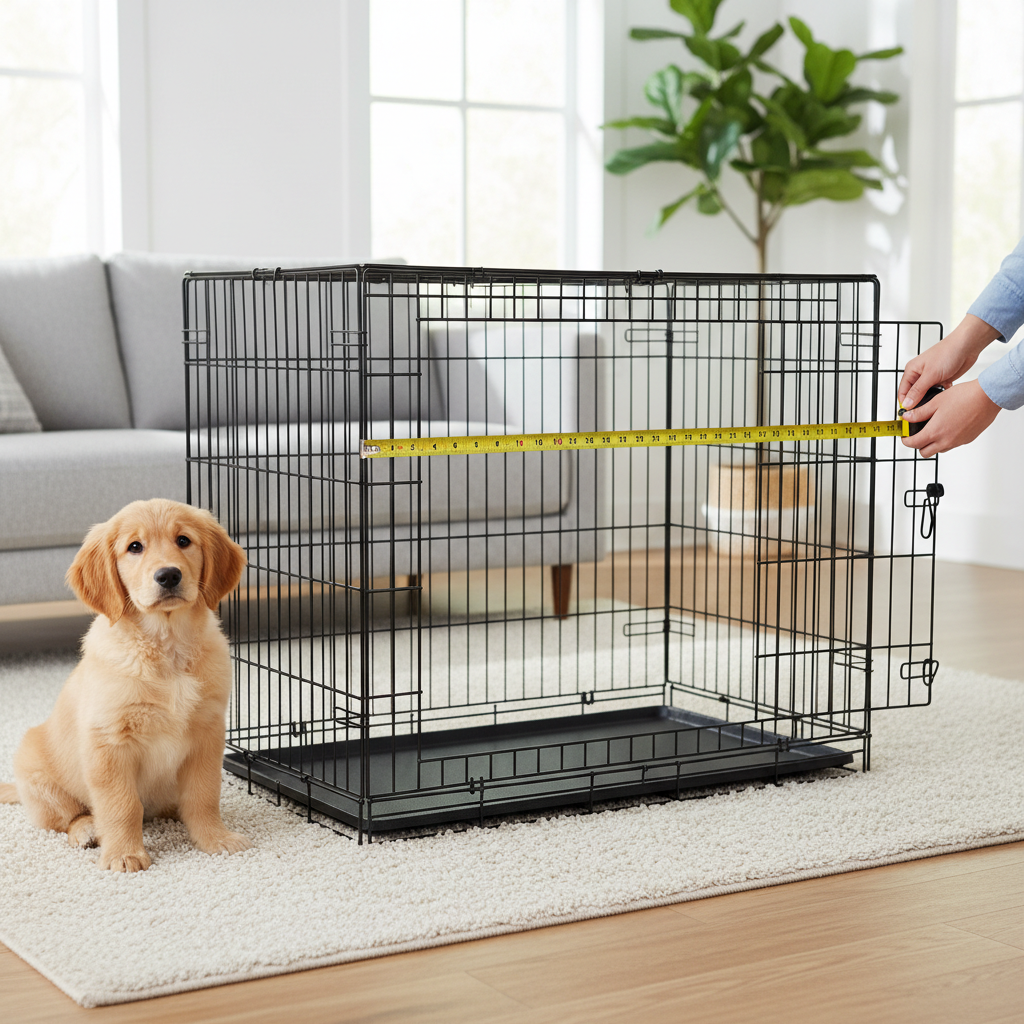
When someone says a crate “didn’t work,” sizing is often the quiet culprit. Too big, and many puppies will potty in one corner and sleep in the other. Too small, and your dog can’t stand up or turn comfortably, which can create resistance and stress.
A practical sizing rule: your dog should be able to stand without ducking, turn around, and lie on their side. For puppies, a divider panel matters because it lets you start snug and expand the space as they grow.
Also consider your dog’s body type, not just weight. A tall, long adolescent (think lanky doodle types) may need a longer crate even if their weight seems moderate. If you’re between sizes, many trainers lean toward the larger size only if you’ll use a divider during potty training.
Buyer checklist: features that actually affect training
Marketing loves big claims, but the best dog crates for training usually win on boring details. Here’s what tends to matter once you’re using the crate daily.
Non-negotiables for most homes
- Secure latches: easy for humans, difficult for clever paws and noses.
- Solid tray: slides out smoothly, doesn’t crack easily, and has a lip to catch small messes.
- Low rattle: fewer vibrations means less arousal, especially at night.
- Divider panel (for puppies): helps house training and prevents “extra bathroom space.”
- Good airflow: particularly in warmer states or apartments with limited circulation.
Nice-to-have upgrades (worth it in many cases)
- Two doors: side door plus front door gives you more placement options and fewer awkward lure angles.
- Rounded edges: reduces snagging on collars and blankets.
- Carry handles or fold-flat design: if you travel, foster, or move rooms often.
- Crate cover compatibility: either a fitted cover or a setup that won’t get pulled inside.
If you live in a small space, the “right” crate sometimes means the one that fits a stable spot, not the one that theoretically matches the perfect dimensions. Training consistency beats a perfect spec sheet.
Best picks by scenario (so you don’t overbuy)
Instead of naming specific models that change year to year, I’d rather help you map your situation to the crate category that tends to work. You can then shop within that category based on budget and size.
Puppy potty training in a busy household
- Go with: wire crate with divider, easy-clean tray, two doors if possible.
- Why: you can adjust space, reward calm behavior quickly, and keep airflow high.
- Look for: sturdier wire gauge, quieter panels, and a tray that doesn’t flex.
Dog gets overstimulated by movement in the home
- Go with: plastic kennel or wire crate plus cover.
- Why: visual reduction can help many dogs settle, especially during evening “witching hour.”
- Look for: strong ventilation, smooth interior edges, and enough height for comfort.
Travel, hotels, or weekend family visits
- Go with: soft-sided crate if your dog is already reliably crate-trained.
- Why: lighter, easier to carry, less clanging in unfamiliar places.
- Look for: strong zippers, reinforced corners, and mesh panels that won’t snag.
Escape artist or heavy chewer
- Go with: heavy-duty metal crate with reinforced doors.
- Why: safety, containment, and fewer “I bent the wire” surprises.
- Look for: reliable locking system, stable base, and spacing that won’t trap teeth.
One more reality check: if a dog repeatedly tries to break out, the crate might be highlighting anxiety, insufficient exercise, or too-fast training steps. Better hardware helps, but behavior still needs a plan.
How to set up the crate so training sticks (practical steps)
Crate training works better when the crate feels like a predictable routine, not a surprise consequence. According to the American Veterinary Society of Animal Behavior (AVSAB), reward-based training helps build desired behaviors while reducing fear and stress responses, that general principle applies here too.
- Place it where life happens: living room or bedroom corner, not isolated in a back room, at least early on.
- Add comfort, but don’t overdo bedding: for puppies who shred or have accidents, start with a towel you can wash easily.
- Feed a few meals near or inside: door open, no pressure, you’re building positive association.
- Use a cue and pay it: “Crate” plus a treat tossed in, then calm praise when they enter.
- Start with micro-durations: 10–30 seconds while you sit nearby, then gradually step away.
- End on quiet moments: if possible, wait for a pause in whining before opening, so you don’t accidentally reward the noise.
Key point: if barking escalates, shorten the session and make the next repetition easier. Many training stalls happen because people jump from 2 minutes to 2 hours.
Common mistakes that make a “good crate” feel like a bad one
- Using the crate only when you leave: dogs learn patterns fast, and some start protesting the moment shoes go on.
- Too much space during potty training: it can slow progress and create confusing habits.
- Accident cleanup that leaves odor: dogs may return to the same spot, an enzymatic cleaner usually matters more than extra scrubbing.
- Long durations too early: especially for young puppies, the bladder and the skill set just aren’t there yet.
- Covering the crate without airflow: in warmer climates, overheating is a real risk, ask your veterinarian if you’re unsure.
And a smaller one that still counts: bowls clipped at the wrong height can rattle all night, then everyone sleeps worse, then training feels “hard.” Quiet details can be the difference.
When to get extra help (and what “help” should look like)
If your dog drools heavily, bites the bars, injures teeth, or panics the entire time, consider pausing and asking for professional guidance. In many cases, a certified trainer who uses reward-based methods can help you adjust the plan, and a veterinarian can rule out medical contributors.
According to the ASPCA, separation anxiety can involve destructive behavior and intense distress, it often needs a structured behavior program rather than simply “more crate time.” If you suspect that’s your situation, it’s reasonable to seek a trainer experienced with separation-related behaviors, and to discuss options with your vet.
Conclusion: picking the right crate is about reducing friction
The best dog crates for training usually aren’t the fanciest, they’re the ones that match your dog’s temperament, fit your space, and make daily repetition easy. If you want a simple starting point, choose a correctly sized wire crate with a divider for puppies, focus on calm routines, and treat the crate like a skill you build, not a switch you flip.
If you’re shopping today, pick one scenario from this guide, buy the crate category that fits it, then commit to a 7-day plan of short, positive sessions. Training tends to move once consistency returns.
FAQ
- What size crate is best for puppy training?
Most puppies do well with an adult-sized crate that includes a divider panel, so you can limit space early and expand it as your dog grows. If you skip the divider, potty training often becomes harder than it needs to be. - Are wire crates or plastic crates better for crate training?
Wire crates are flexible and breathable, plastic crates can feel more den-like and calming for some dogs. If your dog gets distracted by household movement, the more enclosed option often helps, but airflow and temperature still matter. - Should I put a bed in the crate during training?
Many adult dogs love a supportive mat, but for young puppies or chewers, simpler is safer. A washable towel can be a good middle ground until you know your dog won’t shred bedding or have frequent accidents. - How long can a dog stay in a crate while training?
It varies by age, health, and routine. Puppies typically need shorter intervals and more frequent potty breaks; if you’re unsure what’s appropriate for your dog, a veterinarian can give guidance based on age and medical history. - Why does my dog bark as soon as the crate door closes?
Often it’s a sign the steps moved too fast, the crate only predicts isolation, or the dog still has unmet needs like potty or decompression time. Shorter sessions with higher rewards usually work better than waiting it out for long periods. - Do crate covers help with training?
For many dogs, reducing visual input helps them settle, especially in busy homes. Just keep ventilation in mind, and avoid setups where the cover can be pulled inside and chewed. - Is a heavy-duty crate necessary for strong dogs?
Not always, strength alone doesn’t equal escape behavior. Heavy-duty crates make sense for dogs who repeatedly bend wire or defeat latches, but it’s still important to address the underlying stress or boredom so the crate doesn’t become a daily battle.
If you’re trying to choose between two crate sizes or types and you want a more confident call, it can help to share your dog’s breed mix, age, current weight, and where the crate will live in your home, then you can match a realistic setup to your training goal without overbuying.