
Pet hair remover for couch searches usually mean one thing: you vacuum, the sofa still looks dusty, and the “clean” feeling disappears the moment sunlight hits the fabric. The fix is rarely “buy a stronger vacuum.” It’s matching the remover to your couch material and the way hair is embedded.
If you also fight fur on carpets and rugs, you’re not alone, hair behaves differently on upholstery vs. floor piles, and using the wrong tool can waste time or even rough up delicate fabric. This guide breaks down why hair sticks, how to tell what will work in your home, and a practical routine you can repeat without turning cleaning into a weekend project.
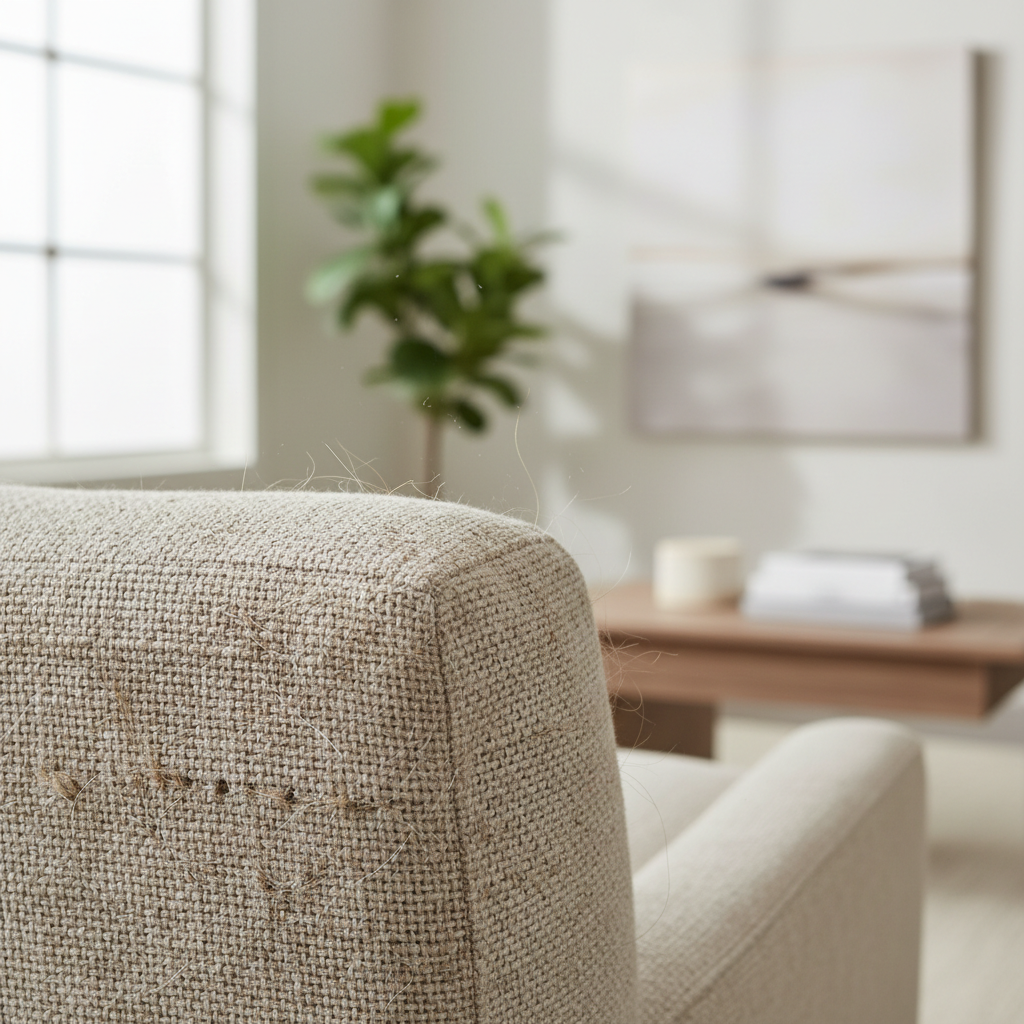
One quick note before tools: if anyone in the household has allergies or asthma, consider keeping fur removal gentle and frequent rather than doing one aggressive deep clean that throws dander into the air. According to CDC, vacuuming and cleaning soft surfaces can help reduce allergens, and people with symptoms may want to ask a clinician for personalized advice.
Why pet hair clings to couches and carpets (and why vacuuming alone misses it)
Hair sticks for a few predictable reasons, and the “right” remover depends on which one dominates in your space.
- Static + friction: Synthetics (polyester, microfiber, fleece throws) build static, hair grabs on like Velcro.
- Fabric texture: Woven couches hide hair between threads, while plush fabrics trap it at the surface.
- Body oils and dander: Oils make hair cling and smear into fibers, especially on armrests and favorite nap spots.
- Carpet pile direction: On rugs, hair aligns with the pile and “combs in,” vacuuming can glide over without lifting it.
This is why a pet hair remover for couch often works by mechanical lifting (rubber friction, fabric scraping, brushing) rather than suction. Vacuuming still matters, it just usually comes after you loosen the hair.
Quick self-check: what kind of “hair problem” do you actually have?
Before you buy anything, take 60 seconds and decide which bucket you’re in. Your couch and your carpet may land in different ones.
- Surface fuzz: hair sits on top and rolls into little tumbleweeds when you swipe your hand.
- Embedded hair: you can see strands threaded into the weave, and lint rollers barely help.
- Mixed with crumbs: fur plus snack debris, which can clog rollers and make scraping messy.
- Delicate fabric: velvet, loose weaves, or older upholstery where aggressive tools can snag.
- High-shed zone: one cushion or spot is consistently worse (pet’s “seat”).
If you’re mostly “embedded hair,” that’s the scenario where people keep buying stronger vacuums and still feel stuck.
Types of pet hair removers (what they’re good at, what they’re not)
There isn’t one universal winner. In real homes, most people end up with two tools: one for fast daily pickup, one for deeper sessions.
| Tool type | Best for | Watch-outs |
|---|---|---|
| Rubber brush / rubber broom | Carpets, rugs, textured upholstery; lifts embedded hair | Can feel “grabby” on delicate fabrics; use light pressure |
| Velvet/fabric scraping brush | Woven couches, car seats; pulls hair out of weave fast | Test first on loose weaves to avoid pilling |
| Lint roller (standard or extra-sticky) | Quick touch-ups, throw blankets, smooth fabrics | Cost and waste add up; struggles with embedded hair |
| Vacuum with upholstery tool | Finishing pass after lifting; crumbs + hair | Often skims over hair if used alone |
| Pet hair “stone”/pumice-style remover | Some low-pile carpets and sturdy upholstery | Can abrade fabric; avoid delicate couch materials |
| Microfiber cloth (slightly damp) | Static-heavy surfaces; quick wipe-down | Not enough for heavy shedding, can smear oils if too wet |
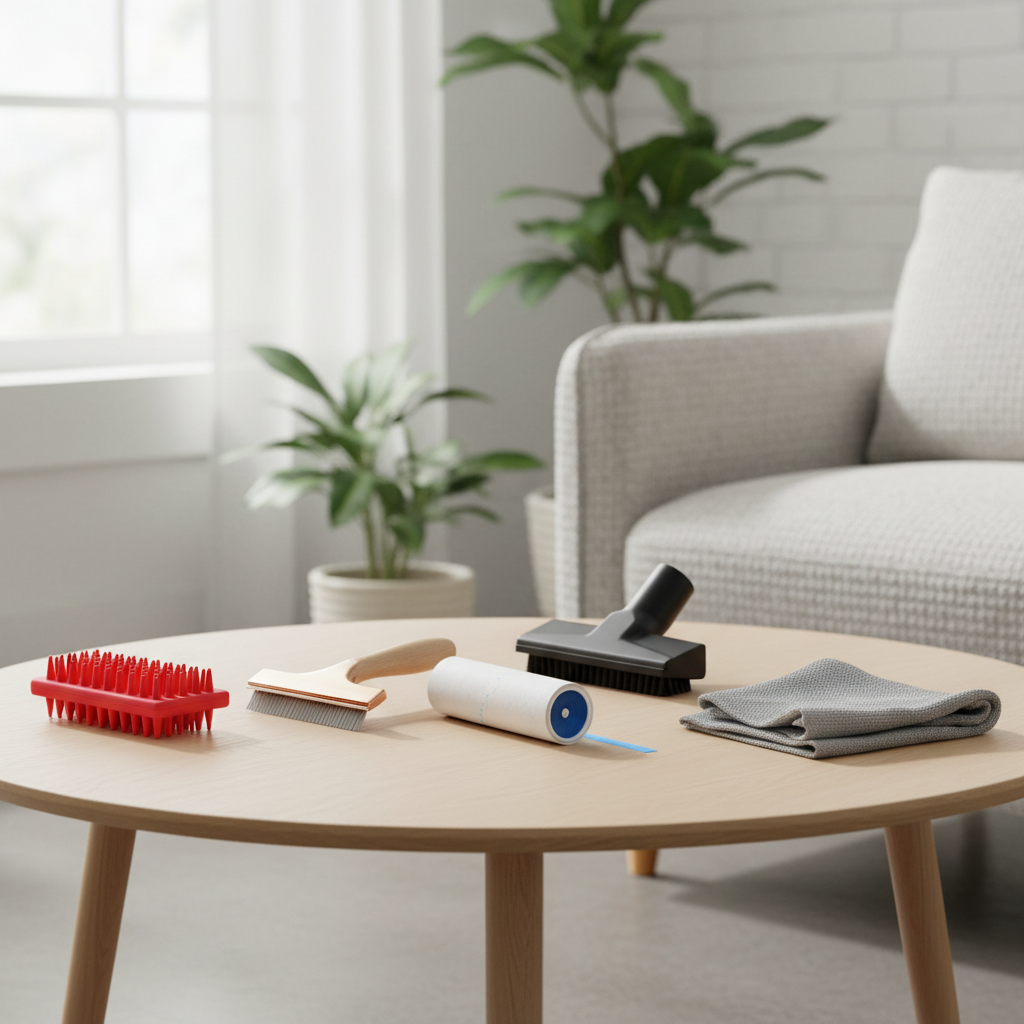
If your main need is a pet hair remover for couch cushions with textured fabric, the rubber-and-scrape category tends to outperform tape rollers because it physically dislodges hair that’s woven in.
How to choose the right remover for your couch material
This is where people accidentally make the job harder. The couch fabric decides how aggressive you can be.
Microfiber and performance fabrics
These often hold static, so hair clings. Try a rubber brush for lifting, then a vacuum pass to pick up loosened fur. A lightly damp microfiber cloth can help for quick daily wipes.
Tight weaves (many modern sectionals)
Hair threads into the weave. A fabric scraping brush used in short strokes usually pulls hair out efficiently. Go one direction, then cross-grain, you’ll feel the difference.
Velvet, boucle, loose weave, or older upholstery
Be cautious. Start with a lint roller or soft brush, then test any scraper in an inconspicuous spot. If you see snagging or fuzzing, stop and switch methods. If the couch is valuable or already fragile, it may be worth asking a professional upholstery cleaner what they recommend for that exact fabric.
Practical step-by-step: couch and carpet routine that actually finishes fast
This workflow is boring in a good way. It avoids the loop of vacuuming, seeing hair, vacuuming again.
For couches (10–20 minutes depending on shedding)
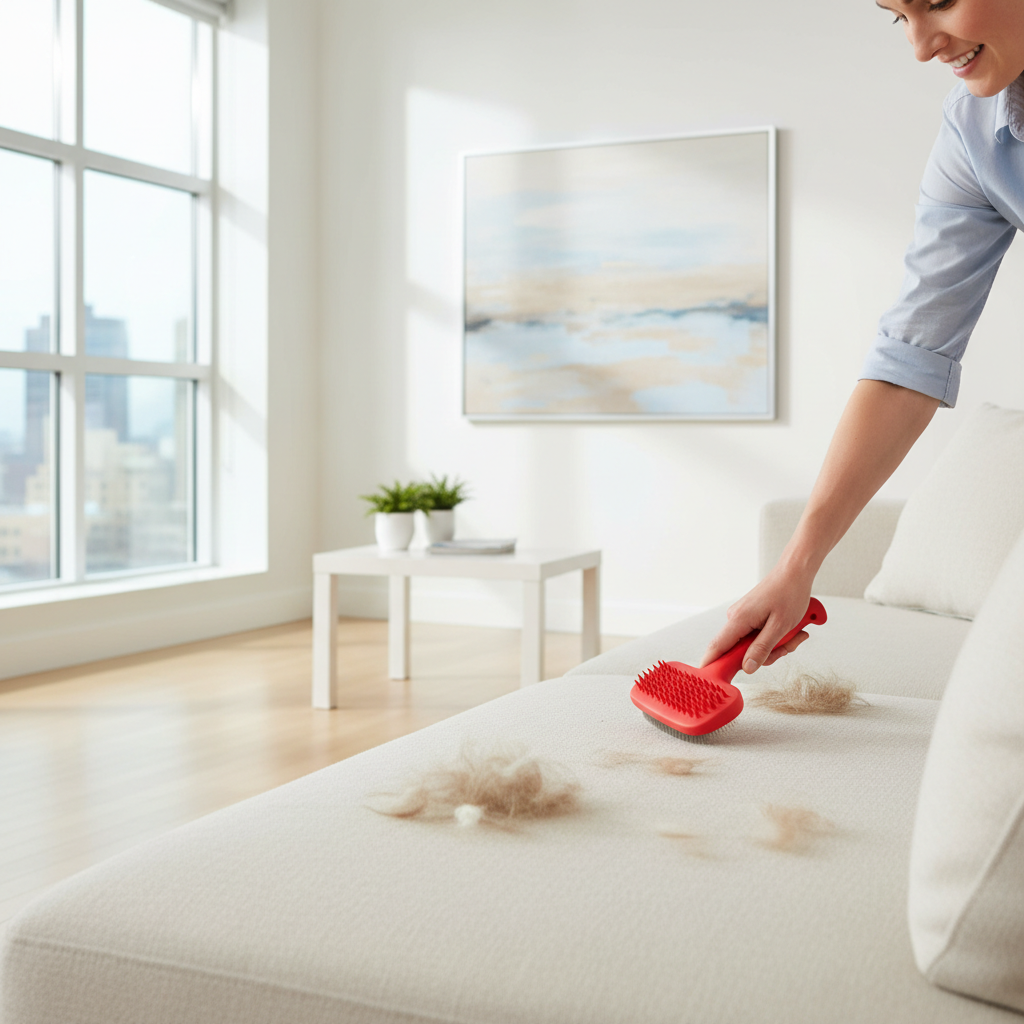
- Dry lift first: use a rubber brush or fabric scraping tool on cushions, seams, and armrests.
- Collect the piles: hand-pick or sweep into a small pile, then toss.
- Vacuum second: upholstery attachment for crumbs, dander, and leftover fine hair.
- Finish the edges: lint roller for the last visible strands on piping or tight corners.
For carpets and rugs (especially high-traffic areas)
- Rubber broom/brush pass: pull hair up from the pile using moderate pressure.
- Vacuum in two directions: with and against the pile, slower than you think you need.
- Spot-check: if you still see embedded hair, repeat just that zone rather than redoing the whole room.
According to EPA, managing dust and allergens often comes down to consistent cleaning and effective particle removal, which is another reason the “lift then vacuum” approach tends to feel better in day-to-day life.
Mistakes that make pet hair removal harder (and how to avoid them)
- Skipping the seams: couch seams and creases trap hair, run your tool along the stitching line.
- Over-wetting fabric: water can push hair deeper or leave odor; if you dampen anything, keep it barely moist.
- Pressing too hard with scrapers: more pressure can mean more fabric fuzz, let the tool do the work.
- Using one tool for everything: a pet hair remover for couch might not be the best for shag rugs, and that’s normal.
- Waiting until it’s “bad”: frequent light passes beat one exhausting deep clean.
When it’s time to get extra help (or change the plan)
Sometimes the issue isn’t effort, it’s the combination of fabric, shedding level, and indoor air sensitivity.
- Allergy symptoms flare during cleaning: consider a mask, better ventilation, and more frequent light cleaning; if symptoms persist, a healthcare professional can advise.
- Persistent odor or staining: hair removal won’t solve what’s soaked into cushions; a professional upholstery cleaning may be more appropriate.
- Delicate or expensive upholstery: if tools cause pilling or snagging in a test spot, stop and ask a pro before damage spreads.
- Infestation concerns: if you suspect fleas or other pests, focus on pet treatment and home cleaning guidance from a veterinarian.
Key takeaways + a simple plan for this week
Most homes get better results when hair is lifted mechanically before vacuuming, and when the tool matches the fabric instead of fighting it. If you want a low-drama routine, keep one fast touch-up tool near the couch, and do a slightly deeper “lift then vacuum” pass once or twice a week.
If you do just one thing today, pick the worst cushion, test a gentle remover method, and lock in a repeatable 5-minute habit. That’s usually where the “my couch never looks clean” problem finally starts to loosen.
FAQ
What is the best pet hair remover for couch fabric that’s woven and scratchy?
Many woven fabrics respond well to a fabric scraping brush because it pulls hair out of the weave. Test gently on a hidden area first, especially if the couch is older or prone to pilling.
Why does my vacuum leave pet hair behind on my sofa?
Upholstery hair often clings via static and friction, so suction alone can skim over it. A quick lifting pass with rubber or a scraper usually makes the vacuum step actually work.
Can I use a rubber broom on a couch, or is it just for carpets?
You can use rubber tools on many couches, particularly microfiber or durable upholstery, but go light around delicate fabrics. If it feels like it’s “grabbing” too aggressively, switch to a softer brush or lint roller.
Do lint rollers work for heavy shedding dogs and cats?
They help for visible top-layer hair and quick touch-ups, but heavy shedding typically needs a lifting tool first. Otherwise you burn through sheets and still miss embedded hair.
Is a pumice-style pet hair remover safe for carpets?
It can work on some low-pile carpets, but it may abrade fibers on softer or looped materials. If you’re unsure, test a corner and stop if you see fuzzing.
How often should I remove pet hair from the couch?
For most households, a light pass a few times a week prevents buildup, with a deeper clean weekly. If allergies are in play, smaller and more frequent sessions often feel more manageable.
What’s the fastest way to get pet hair out of carpet without buying a new vacuum?
Use a rubber broom or brush to lift hair from the pile, then vacuum slowly in two directions. That combination usually beats repeated vacuum-only passes.
If you’re trying to find a pet hair remover for couch and carpet that fits your exact mix of fabric, shedding, and time constraints, it can help to narrow it down to one “daily” tool and one “deep clean” tool, then build a simple routine around them, you’ll spend less time experimenting and more time actually seeing a clean surface.