
Dog backpack harness for hiking sounds simple until you’re staring at sizing charts, strap diagrams, and reviews that contradict each other. The right pick comes down to three things: fit (no rubbing), stability (no swinging load), and safety (good control plus visibility) so your dog can move naturally on real trails.
If you hike or travel with your dog even a few times a month, a backpack harness can be more than a cute “gear” purchase. It can help you organize essentials, keep weight balanced, and reduce how much you carry—without turning your dog into a pack mule.
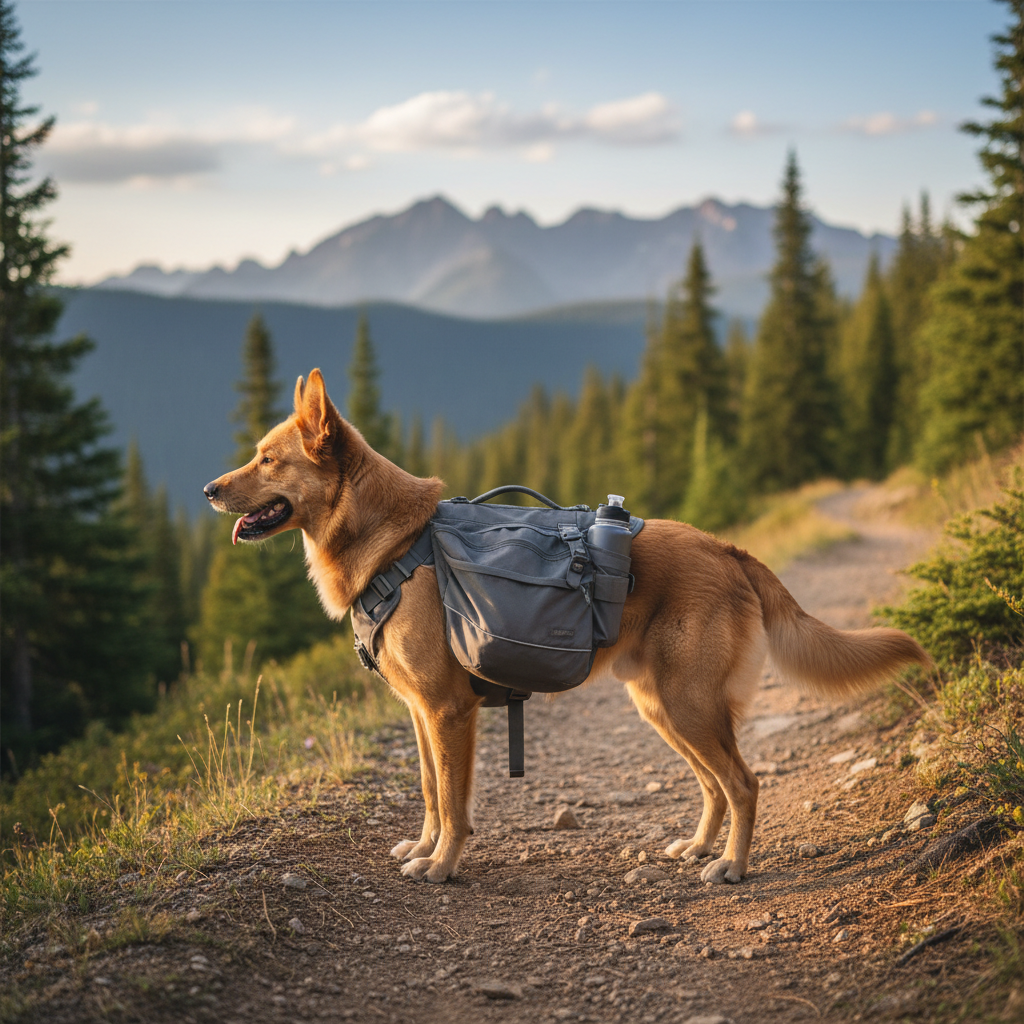
One quick reality check: not every dog should carry weight, and not every “hiking pack” is built for hiking. This guide helps you spot the difference, run a fast self-check for your dog, and choose features that matter on the trail and in transit.
Why hikers choose a backpack harness (and where it can go wrong)
A backpack harness usually combines a body harness with saddlebags. In practice, people buy one for a few common reasons: hands-free organization, better control than a collar, and keeping essentials close for day hikes or travel days.
- Trail convenience: poop bags, a small water bottle, collapsible bowl, and a light jacket fit without digging through your pack.
- Better handling: many models add a sturdy top handle and a front/back leash point, useful on rocks, steps, and crowded areas.
- Routine and confidence: some dogs settle when they have “a job,” but that depends on temperament.
Where it goes wrong is predictable: poor sizing causes chafing, overloaded bags make the pack swing, and heat builds up under thick padding. Another common issue is buying a travel-style carrier pack and expecting it to work like a trail pack; they’re not the same tool.
Quick self-check: is your dog a good candidate?
Before you shop, do a quick “yes/no” check. It saves money and, more importantly, avoids sore shoulders or a dog that starts refusing the harness.
- Age and condition: puppies with open growth plates, seniors with arthritis, or dogs with known orthopedic issues may not be good candidates. If you’re unsure, ask your veterinarian.
- Body shape: deep-chested breeds and long-backed breeds can fit beautifully, but they’re also more sensitive to strap placement.
- Temperament: if your dog hates things touching the ribs or panics when gear shifts, you may need extra slow conditioning.
- Trail type: steep scrambles and narrow ledges favor low-profile packs with minimal swing.
According to the American Veterinary Medical Association (AVMA), exercise plans should match a pet’s age, breed, and health status, and you should talk with your veterinarian if you have concerns about what’s appropriate. A backpack harness falls into that same “match it to the dog” bucket.
Fit comes first: how to measure and test at home
For a dog backpack harness for hiking, fit matters more than pockets. A pack that slides, pinches, or rubs will create hotspots fast—especially with sand, grit, or wet fur.
Measurements that actually matter
- Girth: measure behind the front legs at the widest chest point.
- Neck base: measure around the base of the neck, not where a collar sits high.
- Back length (model-dependent): some brands size by spine length to keep saddlebags centered.
Once it’s on, run two fingers under each strap. You want snug, not tight. Then do a simple test: have your dog walk, sit, and do a few turns on a non-slip floor. Watch for strap migration into the armpit area, which is where rubbing usually starts.
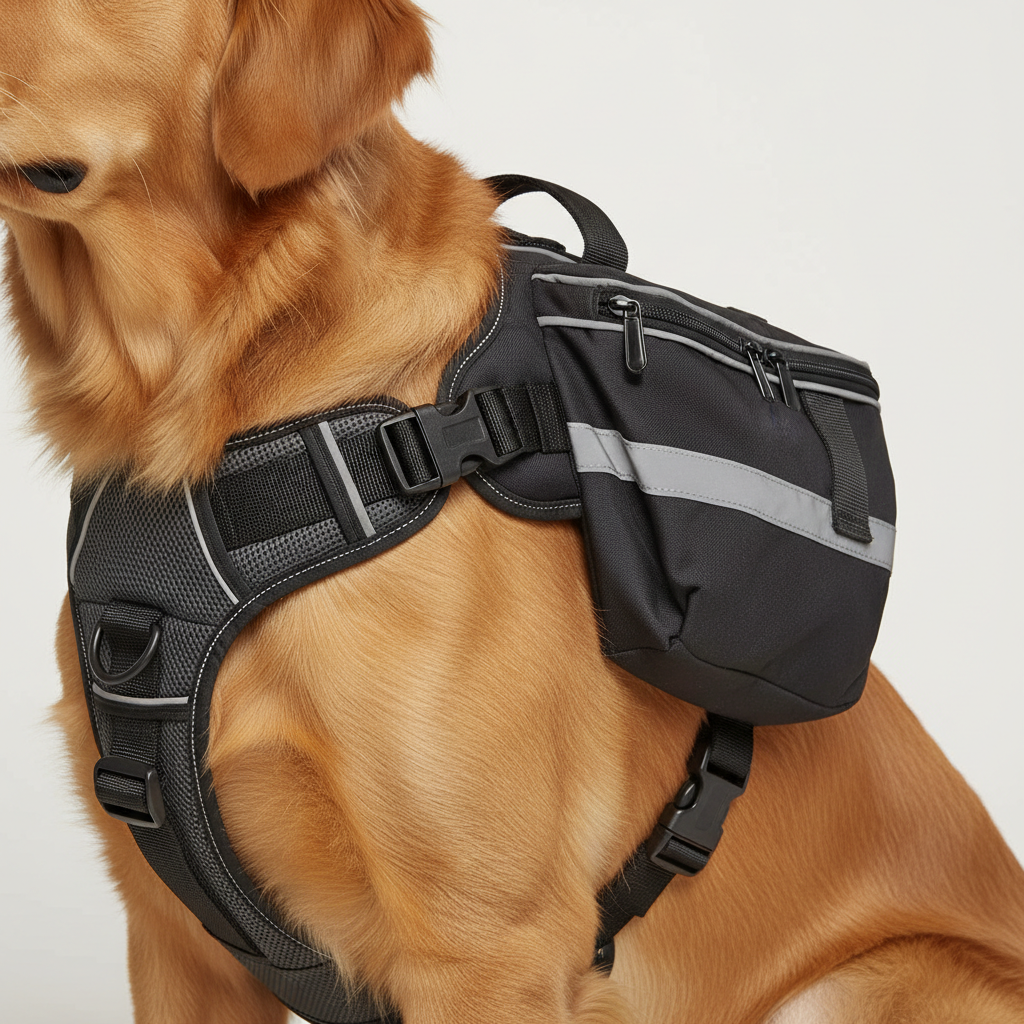
Small detail that saves hikes: check the pack with your dog’s “trail coat,” meaning the fur condition they’ll have outside. Thick winter coat, wet coat, or freshly brushed coat can change how straps sit.
Features that matter on the trail (more than extra pockets)
Most packs advertise capacity, but hikers tend to keep coming back to a few functional features.
- Anti-sway design: saddlebags should sit high and close to the body, with compression straps to stop bouncing.
- Handle strength and placement: a reinforced handle helps with short lifts over logs or steps, but it shouldn’t pull the pack sideways.
- Leash attachment options: a back clip for casual hiking, and a front clip can help with some pulling situations.
- Breathability: mesh panels and smart padding reduce heat buildup; thick foam can be cozy in winter and miserable in summer.
- Visibility: reflective trim and a light loop are underrated for early morning starts or camping.
If you travel too, consider how the pack behaves in cars and rest stops. Low-profile bags snag less on seatbelts, and quick-release buckles make potty breaks faster.
How much weight is reasonable? Use a conservative approach
People love a single “safe percentage” rule, but in real life it depends on fitness, heat, terrain, and body structure. A conservative plan works better: start with very light items, keep loads balanced, and increase only if your dog moves normally and recovers well.
According to the American Kennel Club (AKC), dogs that carry packs should start with minimal weight and work up gradually, and the load should be balanced on both sides. That’s the practical takeaway most hikers miss—progression matters.
Simple packing rules that prevent problems
- Balance left/right: weigh items if you must; even small imbalances can cause rubbing.
- Keep it compact: soft items (like a folded jacket) reduce shifting versus hard items.
- Skip heavy water loads: water is dense and sloshes; many hikers prefer carrying most water themselves.
Choosing the right pack for your use case (comparison table)
Not every “hiking” scenario is the same. Use this as a practical shortcut when comparing options.
| Scenario | What to prioritize | What to avoid |
|---|---|---|
| Day hikes (2–6 miles) | Lightweight build, anti-sway straps, easy adjustment | Oversized bags that sit low and swing |
| Hot weather trails | Breathable materials, minimal padding, reflective details | Thick foam coverage that traps heat |
| Rocky terrain / scrambles | Strong handle, stable fit, low profile | Bulky external pockets that catch on rocks |
| Urban travel + parks | Quick-release buckles, cleanable fabric, subtle storage | Hard-to-clean materials and complicated straps |
Practical step-by-step: train your dog to wear it (without drama)
Even confident dogs can act weird the first time saddlebags touch their sides. The goal is boring familiarity, not a big “first hike” reveal.
- Day 1–2: let your dog sniff the harness, reward calm interest, then put it on for 30–60 seconds indoors.
- Day 3–5: short walks with empty bags, watch gait and check for redness after each walk.
- Next: add a tiny load like a few poop bags or a soft bandana, then slowly increase over multiple outings.
Key point: if your dog starts side-stepping, freezing, or biting at the bags, that’s feedback. It might be anxiety, but it also might be fit, pressure points, or swinging weight.
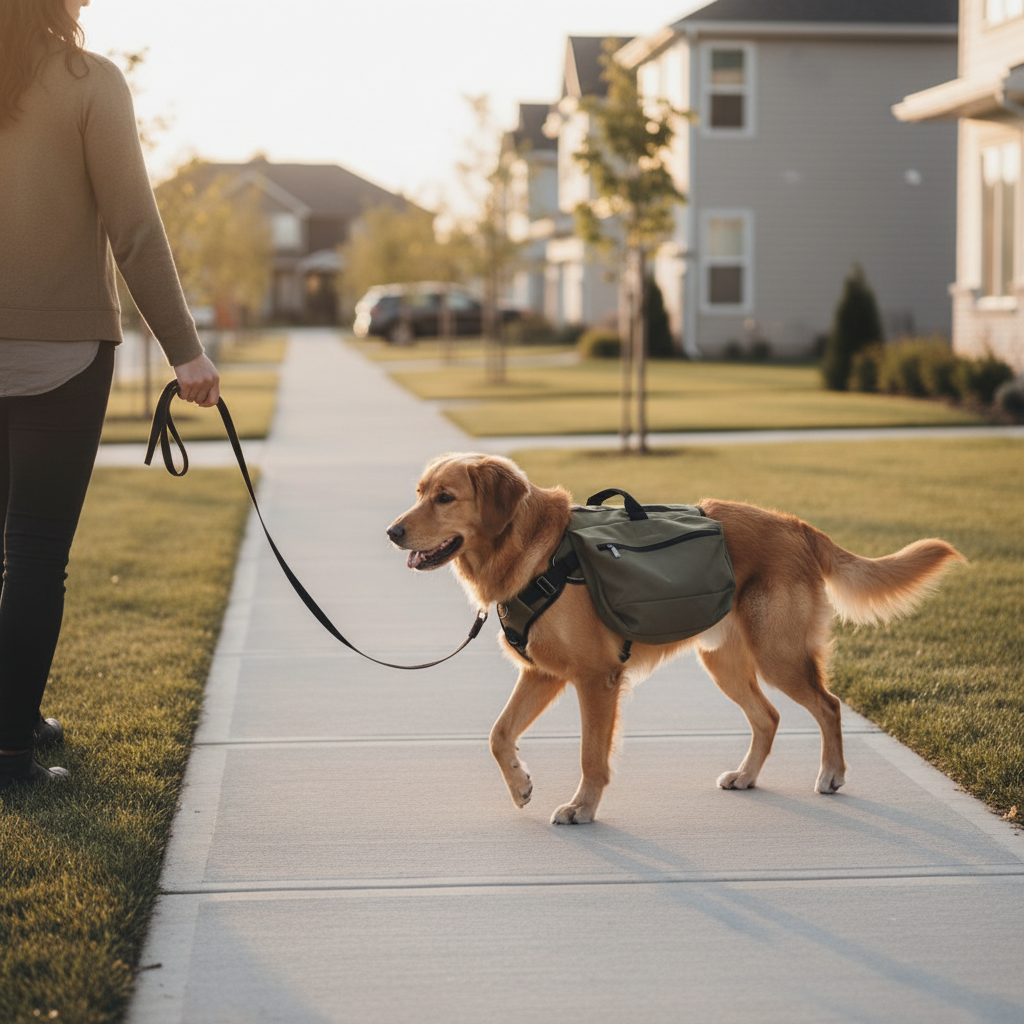
Quick post-walk check: run your fingers through the fur at the armpits, sternum, and behind the elbows. If you see persistent redness, hair breakage, or tenderness, pause and reassess fit or padding, and consider asking a vet or canine rehab professional if you’re not sure.
Common mistakes (and what works better)
- Buying big “for growth”: extra room usually means extra rubbing. Better to size for current measurements.
- Loading before conditioning: start empty, keep sessions short, and build tolerance.
- Ignoring heat: packs add insulation; in warm or humid conditions, reduce load and take more breaks.
- Using the handle for full carrying: handles help with brief assists, not long lifts. If you need to carry your dog often, a different solution may fit better.
According to the American Red Cross, pets can overheat and may need shade, water, and rest during outdoor activity. On hikes, that translates to pacing, breaks, and not treating your dog’s pack like a requirement.
Conclusion: a good pack is the one your dog forgets about
A dog backpack harness for hiking works when your dog moves normally, the bags stay stable, and you can control the leash safely in real-world moments like trail crossings and crowded viewpoints. Start with fit, keep the load conservative, and let a few low-stakes walks be your test lab.
If you want one action step today, measure your dog’s girth and neck base, then shortlist packs that keep saddlebags high with compression straps. If you want a second step, plan one “empty-pack” walk this week and inspect for rubbing right after.
FAQ
What should I carry in a dog backpack harness for hiking?
Keep it small and soft: poop bags, a collapsible bowl, a small snack portion, a light bandage wrap, and maybe a compact jacket. If an item is hard, heavy, or shifts, it tends to create bounce.
How tight should a backpack harness fit?
Snug enough that it doesn’t rotate when your dog turns, loose enough for two fingers under straps. If straps creep into the armpits during walking, the fit usually needs adjustment or a different cut.
Can small dogs use hiking backpack harnesses?
Many can, but the margin for error is smaller because straps sit closer to joints and softer tissue. For small dogs, prioritize low weight, high stability, and short sessions, and consider whether you truly need storage on the dog.
Is it safe for my dog to carry water?
Sometimes, but water adds weight fast and can slosh. Many hikers carry most water themselves and let the dog carry lighter items, especially in heat or on steep terrain.
How do I prevent chafing on longer hikes?
Start with correct sizing, keep loads balanced, and tighten compression straps so bags don’t flap. Also avoid sand and grit buildup under straps by brushing your dog and checking contact points mid-hike.
Do I need a front-clip leash attachment?
It can help in some pulling situations, but it’s not a magic fix. If your dog pulls hard, training and a fit check matter more than clip location.
When should I talk to a professional?
If your dog shows limping, reluctance to move, persistent soreness, or repeated skin irritation, pause pack use and consult a veterinarian. If the issue seems related to movement mechanics, a canine rehab professional may also help.
If you’re trying to choose between two similar packs, bring your decision back to real use: your climate, your trail style, and how much your dog actually needs to carry. If you’d rather keep it simple, look for a stable harness-first design with minimal, compressible storage—then let a couple of short test walks make the final call.