
Fish tank filter quiet is usually what people search after they realize the “tiny” filter they bought still hums at night, splashes like a mini waterfall, or rattles against the glass. The good news is most noise problems come from a few predictable causes, and you can often fix them without replacing everything.
This matters more in small aquariums because every vibration gets amplified, and you’re typically running the tank in a bedroom, office, or living room where the sound is impossible to ignore. Also, small tanks are less forgiving, if you turn the filter off for peace and quiet, water quality can slide fast.
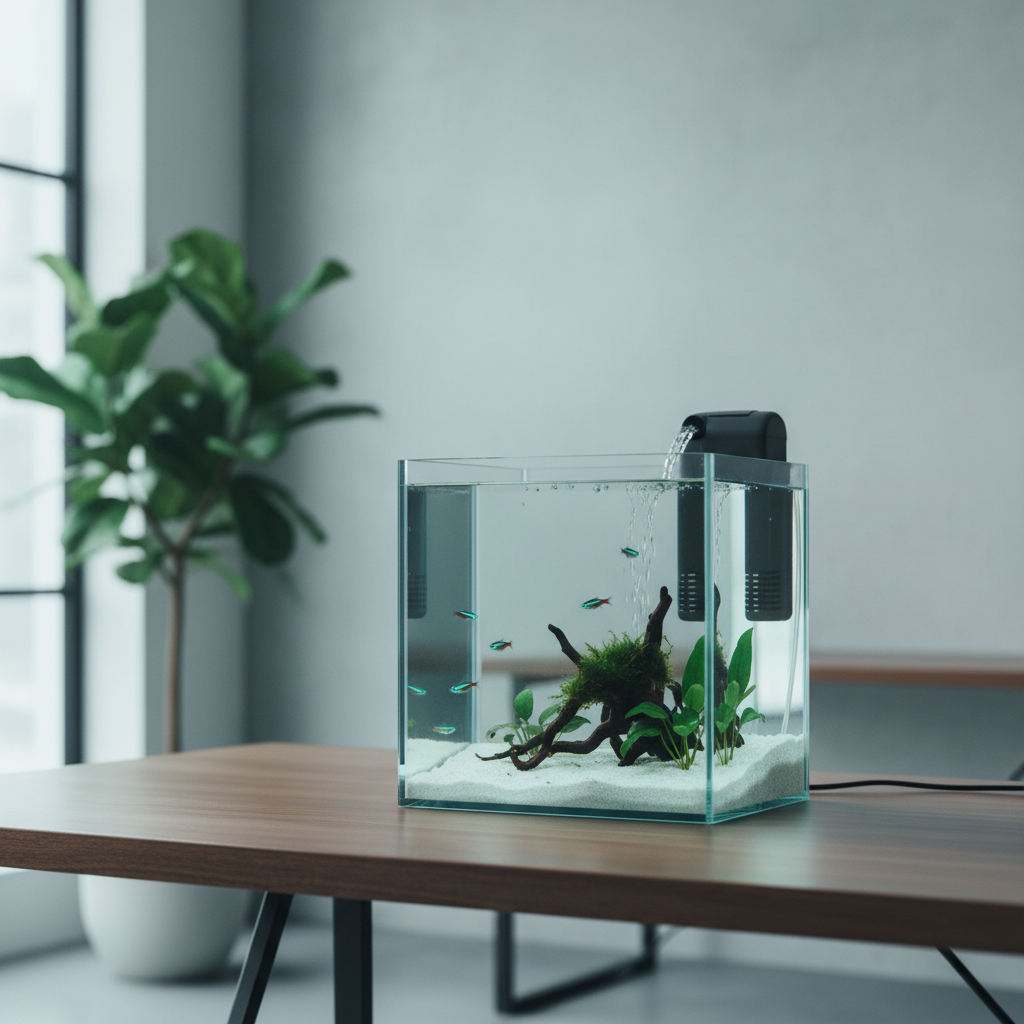
Below is a practical way to diagnose what you’re hearing, pick a quieter filter for a small aquarium, and do a few “soundproofing” moves that actually work, not the random hacks that create new problems.
Why small aquarium filters get noisy (and what that sound usually means)
Filter noise is rarely mysterious, it’s usually one of four categories. The trick is matching the sound to the cause.
- Buzzing or humming: normal motor vibration, made worse by hard contact with glass, a crooked impeller, or worn rubber feet.
- Rattling or clicking: impeller chatter from debris, a damaged impeller shaft, or trapped air in the pump chamber.
- Waterfall splashing: water level too low for a hang-on-back, or flow too high for the tank’s return height.
- Gurgling: air intake issues in sponge filters or air-driven systems, or a venturi pulling air intermittently.
According to the U.S. Fish and Wildlife Service, good water quality is central to keeping fish healthy, so the goal isn’t just “silent,” it’s quiet and consistently filtering. Turning a filter off every night often backfires in small volumes.
Quick self-check: are you dealing with vibration, splash, or airflow?
If you want a calmer tank fast, run this checklist in order. It saves money because you don’t replace a filter that only needs a 2-minute adjustment.
- Unplug and re-seat: plug it back in after you’ve reinstalled it straight, many rattles are just misalignment.
- Listen with the lid open: if the noise changes, it’s often resonance from the hood or cover.
- Raise the water level: if splashing drops instantly, your “noise” is mostly return height.
- Tap the housing lightly: if the sound changes, it’s vibration transfer into glass or plastic, not the motor “going bad.”
- Check for microbubbles: lots of bubbles often means the intake is sucking air (low water, loose intake tube, or clogged media).
If you’re stuck between two possibilities, do one more test: hold the filter gently so it doesn’t touch the glass. If the sound drops a lot, you’re hearing vibration transfer, which is one of the easiest fixes.
Choosing a fish tank filter quiet enough for a small aquarium
For small tanks, “quiet” is less about brand hype and more about matching the filter type to your setup, especially tank location and stocking level.
Common filter types and noise reality
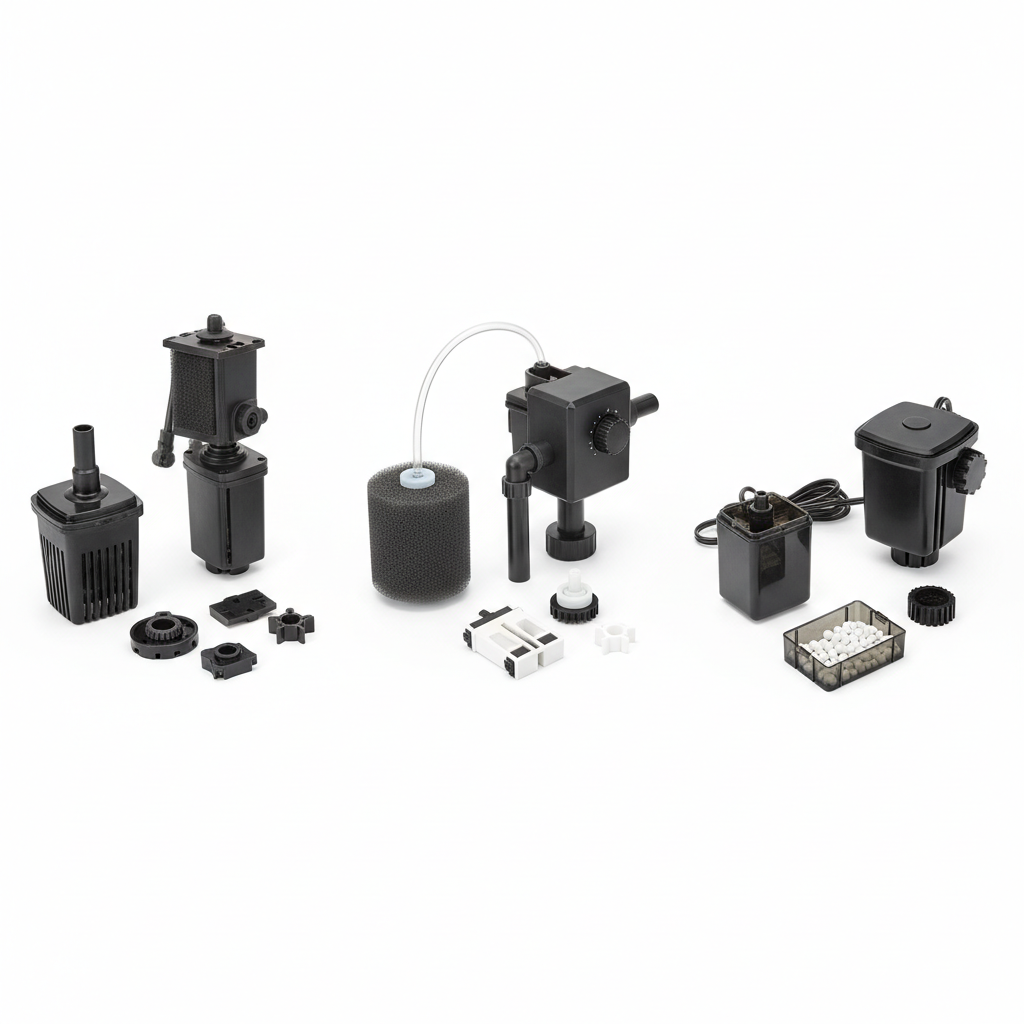
- Sponge filter (air-driven): often quiet at the tank, but the air pump can buzz. Great for shrimp, bettas, fry, and gentle flow needs.
- Hang-on-back (HOB): can be very quiet when the water level stays high, but can splash if it drops even an inch.
- Internal power filter: usually steady and low-splash, but vibration can transfer to glass if suction cups harden.
- Small canister: often the quietest “tone,” but more hoses and seals, and overkill for some nano tanks.
In a bedroom, many people prefer a sponge filter with a quality air pump mounted on a soft pad, or a HOB with adjustable flow and a high water line. If your tank sits in a busy living room, a slightly louder filter might still feel “quiet” in practice.
Specs that actually predict quiet (not just marketing)
When you’re shopping, ignore dramatic phrases and look for a few practical specs and design clues. You’ll get closer to a fish tank filter quiet enough to live with.
- Flow control: adjustable output lets you reduce turbulence and splash without choking the filter.
- Impeller access: easy access means you’ll actually clean it, and a clean impeller is a quieter impeller.
- Rubber isolation points: grommets, feet, or soft mounting reduce vibration transfer.
- Tank rating that matches reality: oversizing often increases noise and current in small tanks, especially for bettas and long-finned fish.
- Air pump decibel claims: if you choose sponge filtration, the air pump is the “motor,” prioritize quiet pump design and stable placement.
A simple rule that holds up: if you can’t easily keep the return submerged (because evaporation is frequent), a HOB can become a “waterfall machine.” In that case, an internal filter or sponge setup often feels calmer day-to-day.
Practical fixes to make your current filter quieter (step-by-step)
Before swapping gear, try these fixes. They’re common in real homes because most noise is installation, water level, or maintenance related.
1) Eliminate splash and trickling
- Top off water so the HOB return lip sits close to the surface.
- Reduce flow if your filter has a slider or dial, less drop equals less sound.
- Add a pre-filter sponge on the intake, it can stabilize flow and reduce slurping, and it protects shrimp/fry.
2) Stop vibration transfer
- Reposition so the housing doesn’t press tightly against the glass rim.
- Use a thin foam pad under an air pump, and avoid putting it on a hollow shelf that acts like a drum.
- Replace hardened suction cups on internal filters, they often stiffen over time and transmit more buzz.
3) Fix rattling at the source
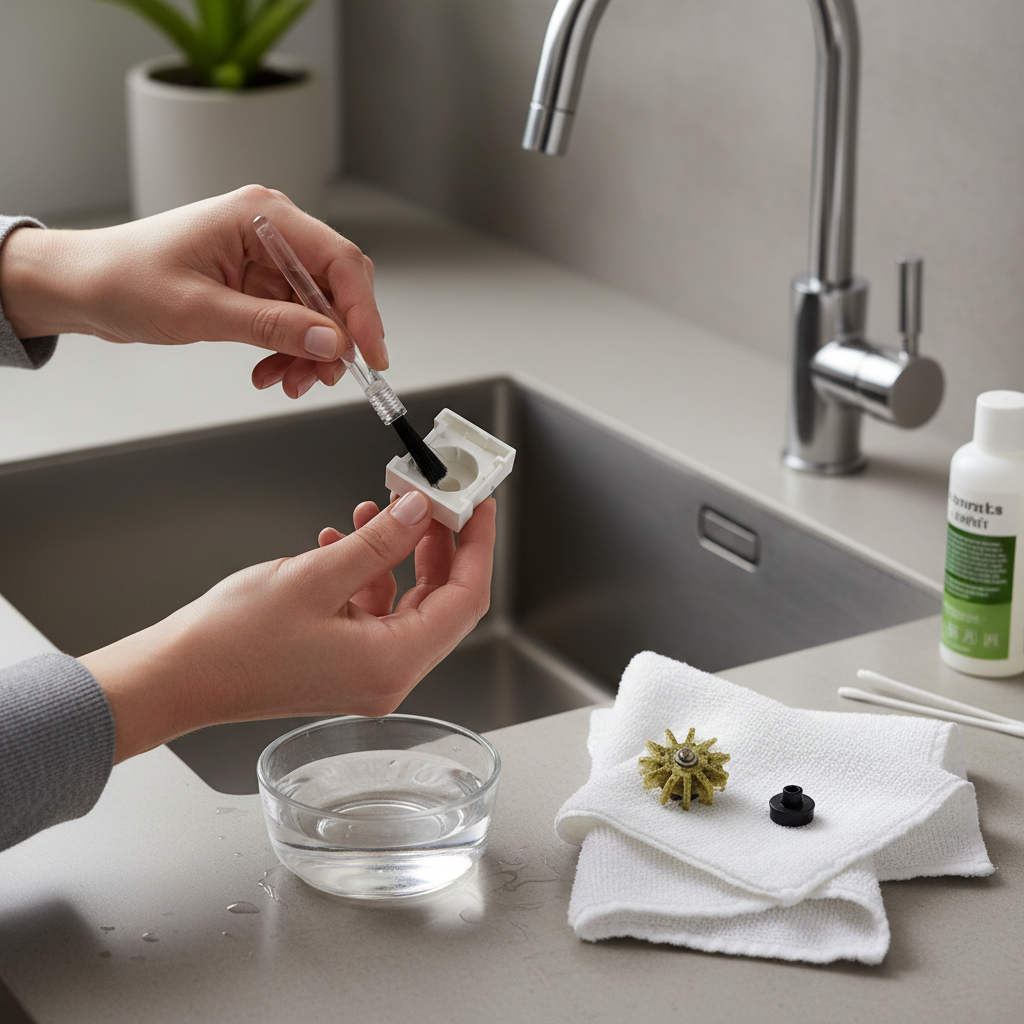
- Clean the impeller and chamber with a soft brush, hair algae and grit cause chatter.
- Inspect the shaft for wear or cracks, a damaged shaft rarely gets quieter on its own.
- Prime correctly after cleaning, trapped air can sound like grinding or ticking.
If your filter is brand new and still loud after cleaning and reseating, that’s when replacement starts to make sense. But give it a fair test with stable water level and a clean impeller first.
Small aquarium “quiet filter” choices by situation (with a quick table)
Different tanks create different noise problems. This table is a practical shortcut, not a rulebook.
| Situation | What usually causes noise | What tends to work |
|---|---|---|
| Bedroom nano tank (5–10 gal) | Low-frequency hum, nighttime sensitivity | Sponge + quiet air pump on foam pad, or low-flow HOB with high water line |
| Bettas / long-finned fish | Flow is “too strong,” creates surface crash | Adjustable flow, baffle/sponge on output, gentler filtration style |
| Shrimp tank | Intake risk, microbubbles, rattles from debris | Sponge filter or intake pre-filter sponge, frequent light maintenance |
| Office tank | Evaporation causes waterfall splash on HOB | Internal filter or ATO system, or commit to frequent top-offs |
| Heavily stocked small tank | High flow required, equipment runs harder | Slightly larger but controllable filter, more media volume, steady maintenance routine |
Key point: a quiet setup is often a system choice, not a single product choice. Water level management, placement, and cleaning rhythm matter almost as much as the filter model.
Mistakes that keep a filter noisy (and sometimes make water quality worse)
- Running the tank low on purpose to “reduce current,” which often increases splash noise and air intake.
- Overstuffing media until the pump strains, a strained impeller can get louder and flow becomes erratic.
- Skipping impeller cleaning because it feels optional, in small tanks it’s one of the top noise triggers.
- Turning the filter off nightly without understanding the biofilter, beneficial bacteria need oxygenated flow to function.
- Chasing silence with tiny filters that barely circulate, you may trade sound for unstable parameters.
According to the U.S. Environmental Protection Agency, ammonia in water can be harmful to aquatic life, so if you reduce filtration to cut noise, monitor water parameters and adjust slowly. If you’re unsure, a local aquarium store or aquatic professional can help you balance comfort and safety.
Conclusion: a quieter tank usually comes from 2-3 small changes
If you want a fish tank filter quiet enough for a small aquarium, start by identifying the sound type, then fix water level and vibration transfer before buying new equipment. In many setups, a cleaned impeller, a higher water line, and a softer mounting surface remove most of the noise you notice day-to-day.
If you only do two things this week, make it these: clean the impeller and stabilize the water level. After that, you’ll have a much clearer idea whether you need a different filter type or just a better installation.
FAQ
What is the quietest filter for a 5-gallon tank?
Many 5-gallon owners end up happiest with a sponge filter paired with a quiet air pump, because there’s no waterfall splash and the “motor” can be isolated on a soft pad. A low-flow internal filter can also be quiet if it doesn’t vibrate against the glass.
Why does my hang-on-back filter get louder at night?
The room gets quieter, so the same hum feels bigger, but there’s also a practical reason: evaporation lowers the water line, and splash noise increases. Topping off earlier in the evening often makes a noticeable difference.
How do I stop my aquarium filter from rattling?
Rattling often points to the impeller area: debris, algae buildup, or a worn shaft. Unplug the unit, clean the impeller chamber, and re-prime it so air isn’t trapped inside.
Is it safe to turn off the filter at night to reduce noise?
Sometimes people do it, but in small tanks it can cause swings in oxygen and waste processing, especially in warmer water or heavier stocking. If you’re considering it, ask an aquatic professional and watch water parameters closely.
Why is my sponge filter bubbling so loudly?
The noise often comes from the air pump vibrating on furniture, not the bubbles themselves. Put the pump on a foam pad, check the check valve, and consider an air stone or different sponge design if the bubble size is very coarse.
Does a bigger filter always mean louder noise?
Not always. Some larger filters run smoother and quieter because they don’t strain, but in a small aquarium they can create more turbulence and return noise. The sweet spot is usually “slightly oversized but controllable.”
How often should I clean the impeller to keep the filter quiet?
Many tanks do well with a quick impeller check during routine maintenance, often every few weeks, but it varies with debris and algae growth. If noise suddenly increases, that’s your cue to inspect sooner.
If you’re still hearing an annoying hum after basic maintenance, it may help to describe your tank size, filter type, and the exact sound you hear, then compare a couple of filter styles that fit your stocking and placement, it’s usually faster than trial-and-error buying.